TV & Streaming Review
Full spoilers for Seasons 1-2The Rings of Power Review: Beautiful Middle-earth, but Not Enough Tolkien
A retrospective review of The Lord of the Rings: The Rings of Power through Season 2, ahead of Season 3's November 11, 2026 premiere. Gorgeous production, frustrating adaptation choices.
 By Aram Anwar13 min read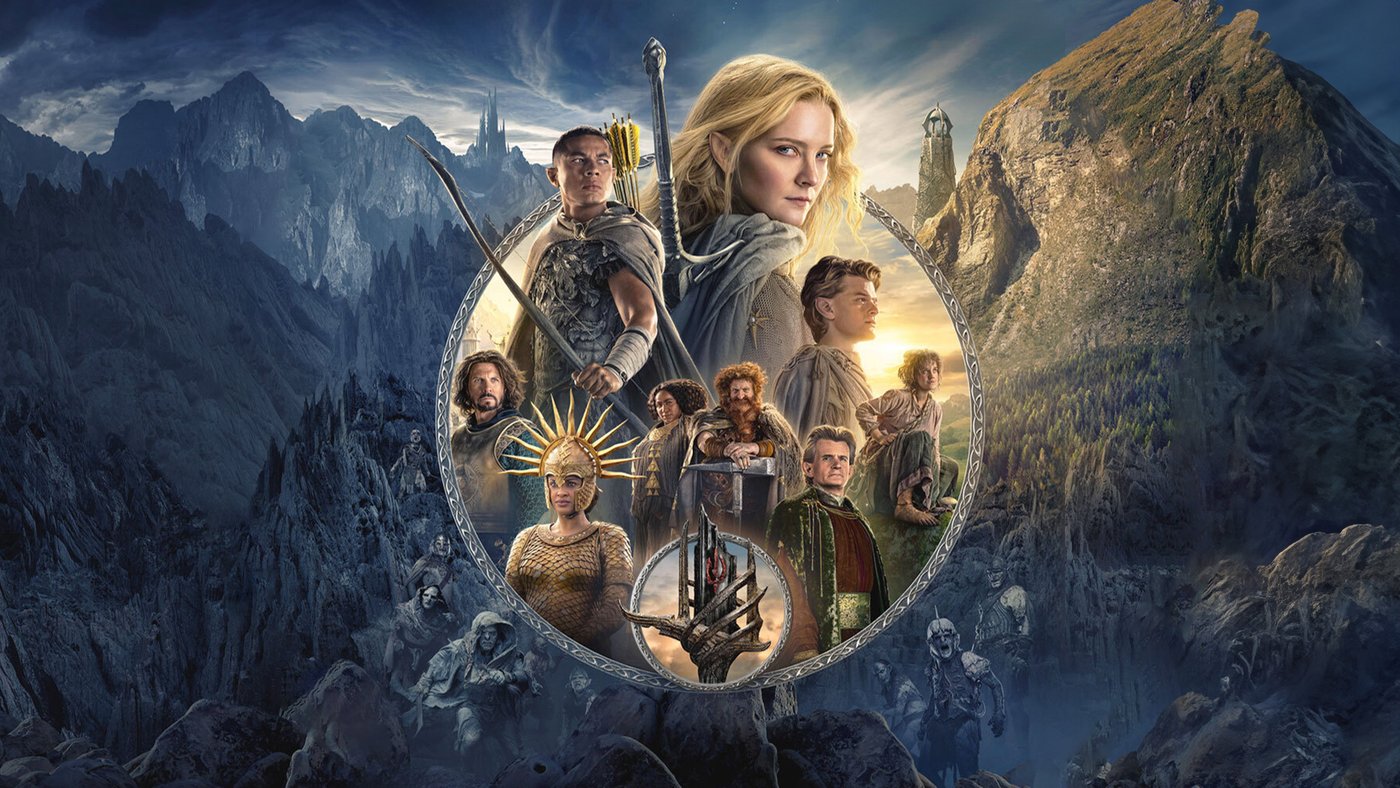
The Rings of Power has a problem that no amount of money can fix: it can look exactly like Middle-earth and still not feel like Tolkien’s Middle-earth.
Two seasons in, with Season 3 arriving November 11, that gap is the whole story of this show. This isn’t a series that fails to execute — the execution, on a pure craft level, is frequently excellent. It’s a series whose adaptation choices keep working against the material it’s supposedly adapting, and after 16 episodes, that’s become the defining thing about it rather than a rough patch it might grow out of.
5/10. Not a disaster. Not “unwatchable.” A show with real strengths sitting inside a version of the Second Age that too often feels like Amazon’s own invention wearing Tolkien’s names.
The good
- Production design that makes Khazad-dûm and Númenor feel genuinely monumental
- Bear McCreary’s score, one of the strongest things about either season
- Charlie Vickers, who finds real menace in Sauron once the show lets him
- Season 2’s Celebrimbor/Annatar material, which gets meaningfully closer to Tolkien
- Individual sequences — the Balrog’s shadow in Khazad-dûm, Númenor’s political rot — that work on their own terms
The bad
- Galadriel rewritten as a vengeance-driven warrior in ways that flatten her actual character
- The Three Rings forged with Sauron physically present, undoing the one detail Tolkien was explicit about
- A “who is Sauron” mystery box stretched well past the point of dramatic return
- A compressed timeline that keeps undercutting the scale the story depends on
Spoiler warning. This review discusses major plot developments from both seasons, including Sauron’s identity and the forging of the Rings.
What the show actually gets right
Start with what’s real, because a lot of it is.
Visually, this is one of the most expensive and carefully built fantasy productions ever made for television, and it mostly earns that budget. Khazad-dûm before its fall is genuinely awesome in the old sense — gold-lit, vast, alive with a dwarven civilization that has weight and industry rather than just looking like a cave with furniture. Númenor’s capital, Armenelos, is one of the show’s best pieces of design: a Mediterranean-inflected city built around a colossal statue of the King, tiered so the political hierarchy is visible in the architecture before anyone speaks a line.
Bear McCreary’s score deserves specific credit, too. It borrows Howard Shore’s main theme sparingly and correctly, as a payoff rather than wallpaper, and builds its own identity everywhere else. It’s doing more consistent work than the scripts are.
On performance: Charlie Vickers is genuinely good once the writing gives him room, and Robert Aramayo’s Elrond has real presence even when the character underneath is a step removed from Tolkien’s. Season 2’s forging sequences with Celebrimbor and “Annatar” are the show’s best sustained stretch of Second Age storytelling to date.
None of that is nothing. It’s why this isn’t a 2 or a 3.
The Galadriel problem
This is where the adaptation argument has to get specific, because “the show changed Galadriel” isn’t a criticism on its own. Every adaptation changes things. The question is whether the change preserves who she is.
Tolkien’s Galadriel, across Unfinished Tales, the Silmarillion material and the LOTR appendices, is described as “strong of body, mind, and will, a match for both the loremasters and the athletes of the Eldar” — so physical capability isn’t invented out of nothing. But her defining traits in Tolkien’s own writing are pride and ambition for a realm of her own to rule, not a personal vendetta. Tolkien was explicit that her drive to leave Valinor for Middle-earth came from wanting “lands and dominions that might be her own to order as she would without tutelage,” and that this ambition, not martial fury, was her core flaw. Her most famous moment in the legendarium — refusing the One Ring when Frodo offers it to her, and choosing to “diminish and go into the West” rather than seize power — is a story about renouncing dominance, not embracing it.
The show’s Galadriel is built almost entirely around hunting Sauron for killing her brother Finrod, a single-minded, soldier’s-eye obsession that drives most of her Season 1 arc and colors her Season 2 choices too. It’s a coherent character on its own terms, and Morfydd Clark plays the intensity well. But it’s a narrower, angrier person than the one Tolkien wrote — someone defined by one grudge rather than by centuries of pride, wisdom and eventual self-restraint. The show has time to grow her into something closer to that by Season 3; so far, the vengeance framing has mostly stood in for characterization rather than being one part of it.
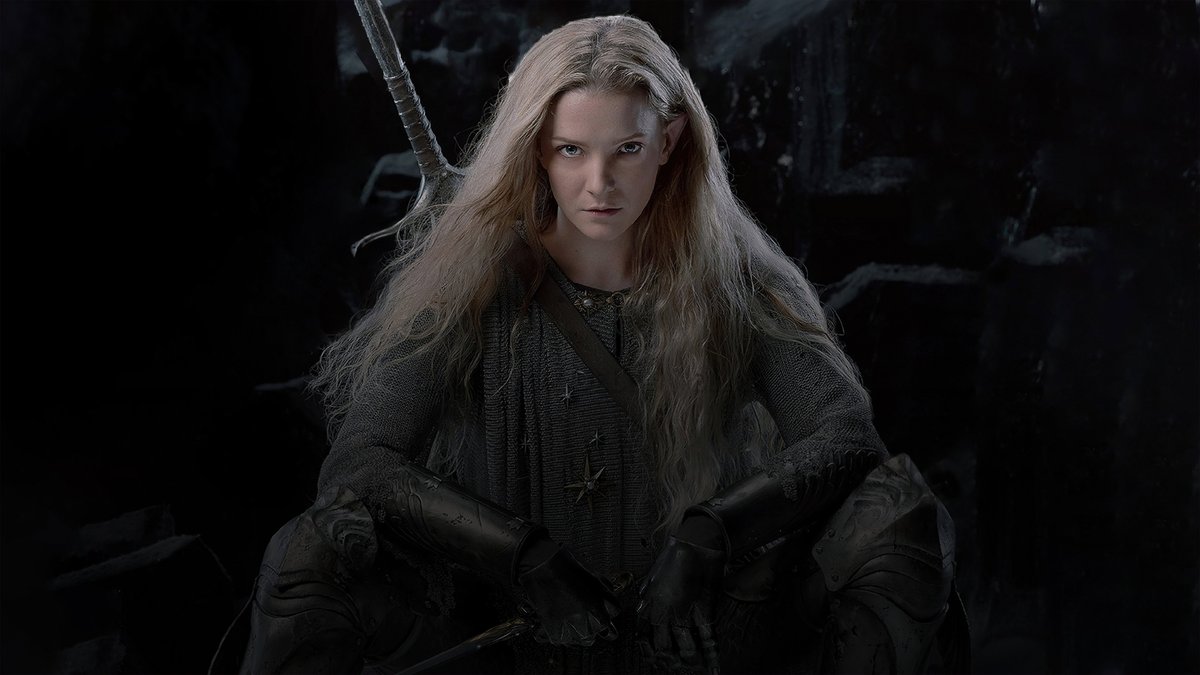
Morfydd Clark’s Galadriel. Tolkien wrote her as physically capable, but her defining trait was pride and ambition, not a single-minded hunt for vengeance. Credit: Amazon MGM Studios / Prime Video.
Elrond, performance versus adaptation
Aramayo’s performance and the writing around Elrond are worth separating, because they’re not pulling in the same direction. The performance is strong: watchful, diplomatic, carrying real weight for someone who lived through the First Age wars Tolkien’s Elrond actually witnessed. The adaptation is more of a stretch — Season 1 casts him as a political operator navigating Elven court intrigue in ways the text never gives him room to be at this point in his life, closer to a rising diplomat than the herald and lore-keeper Tolkien describes. It’s a functional change rather than an offensive one, and it works better than several of the show’s other inventions specifically because Aramayo commits to it fully.
Sauron, Halbrand, and the show’s best idea
This is the clearest example in the show of the difference between “the show chose Y” and “the show had to invent something because Tolkien didn’t dramatize it directly.”
Tolkien never wrote a scene of Sauron wandering post-War-of-Wrath Middle-earth in disguise before reaching Eregion. The broad strokes — Sauron rebuilding influence in a fair form, eventually appearing to Celebrimbor as Annatar, “Lord of Gifts” — are canon, laid out in the Silmarillion’s Akallabêth. But the specific journey, the Halbrand identity, the time in Númenor: that’s the show filling a gap Tolkien left open, which isn’t automatically a flaw.
The real problem is the forging of the Three Elven Rings. Tolkien is unambiguous that Celebrimbor made the Three alone, in secret, specifically so they would stay untouched by Sauron’s hand — that’s the reason they remain uncorrupted throughout the entire War of the Ring. Season 1’s finale shows Halbrand physically present and guiding Celebrimbor as the Three are forged. That’s not a compression of unclear history. That’s a direct contradiction of one of the only details Tolkien was explicit about.
Season 2 improves on this considerably. Sauron’s “Annatar” persona — walking, talking and dressing differently from Halbrand, presenting himself as a messenger of the Valar — is a deliberate callback to Tolkien’s own description of how Sauron approached Celebrimbor. Watching a master craftsman get quietly consumed by flattery and ambition is the closest the show has come to dramatizing Second Age material the way Tolkien sketched it, and it’s the strongest stretch of writing across both seasons.
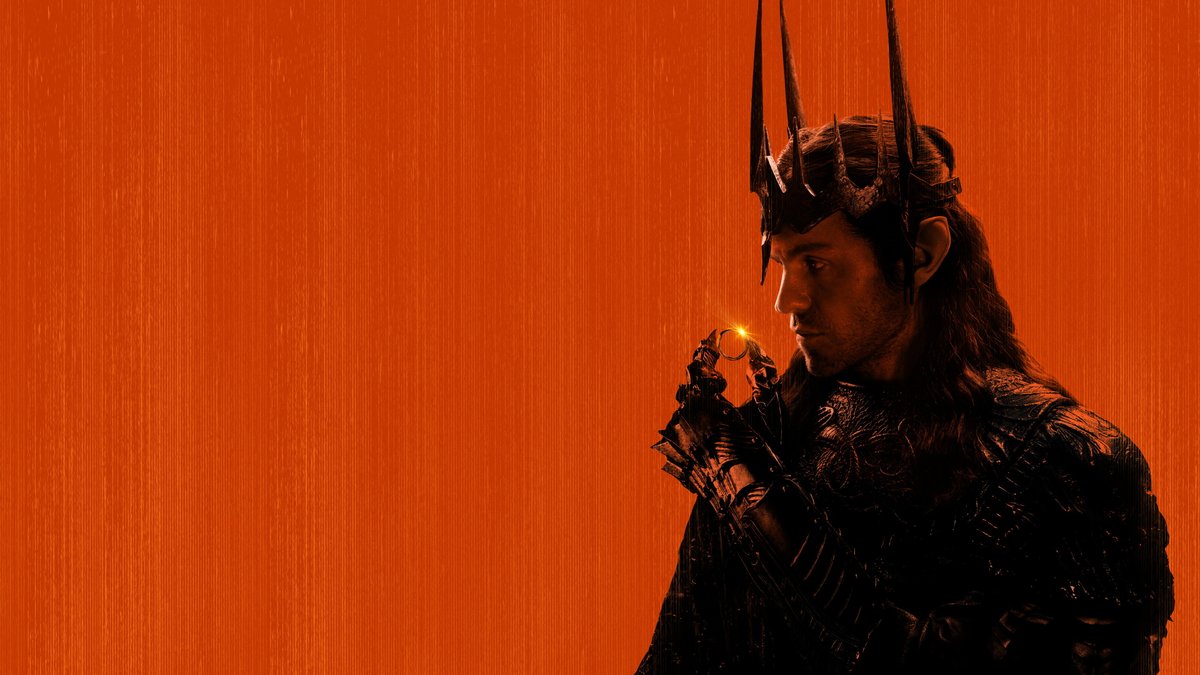
Charlie Vickers’ Sauron. The performance works; the Halbrand mystery around him ran longer than it needed to. Credit: Amazon MGM Studios / Prime Video.
Númenor, Elendil, Míriel and Pharazôn
Númenor is where the show’s political material holds together best. Míriel’s contested regency, Pharazôn’s slow consolidation of power, Elendil’s torn loyalty between crown and faith — this thread follows the shape of Tolkien’s Akallabêth reasonably closely, and Cynthia Addai-Robinson and Trystan Gravelle both do real work with it. It’s the part of the show that most consistently earns comparisons to political drama rather than fantasy spectacle.
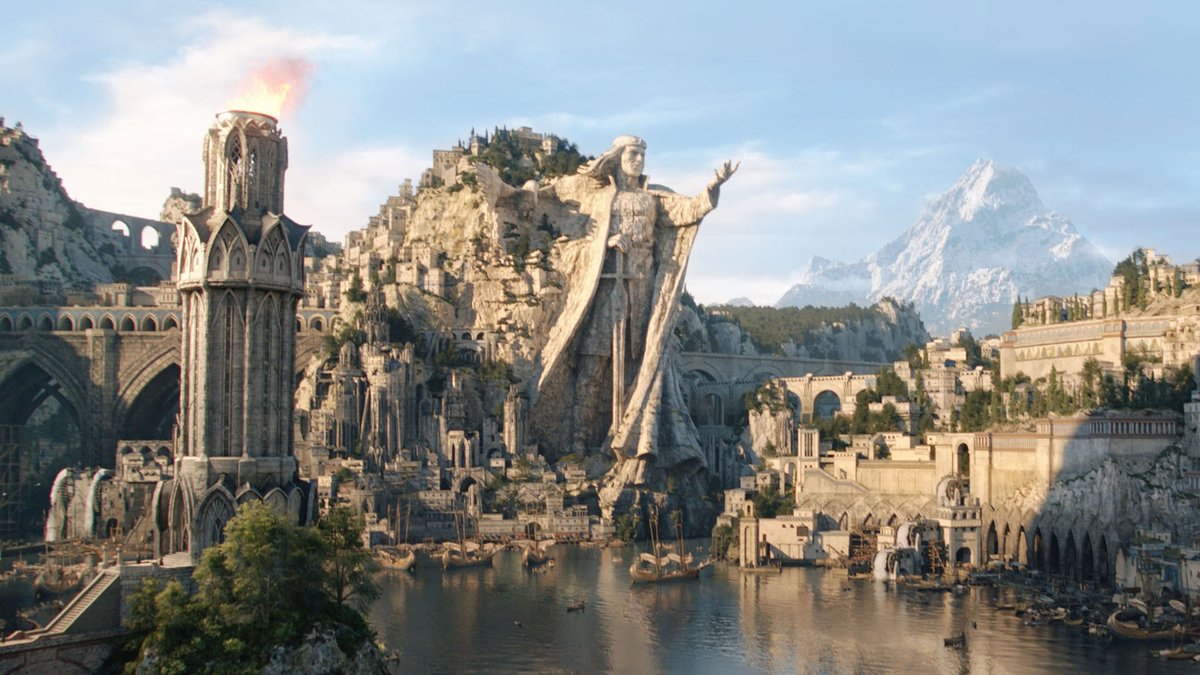
Armenelos, Númenor’s capital. The show’s political material here is some of its most faithful to Tolkien’s Akallabêth. Credit: Amazon MGM Studios / Prime Video.
The compressed Second Age, and what it costs
Tolkien’s Second Age runs 3,441 years. The show tells its version in what amounts to a handful of dramatized years, and showrunner Patrick McKay has said openly that preserving the order of events mattered more to the writers than preserving the dates. That’s a defensible production choice — a show can’t wait 200 years between episodes, and real timeskips would strand every human character mid-arc. But compression has real costs around mortality specifically. One of the Second Age’s central ideas is the widening gulf between Men, who die, and Elves, who don’t — Númenor’s entire tragedy is built on that fear and envy. When Elrond and human characters share screen time as apparent contemporaries rather than across generational gaps, that theme loses its teeth. Isildur, by some estimates, appears roughly 1,500 years earlier in the show’s timeline than Tolkien’s chronology places him, letting human and Elven cast interact on equal footing throughout — at the cost of the thing that made the Second Age’s mortality theme land in the first place.
Original characters: judge the execution, not the invention
Arondir and Disa don’t appear in Tolkien’s writing, and that alone isn’t a mark against the show — Tolkien left huge stretches of the Second Age undramatized, and inventing characters to fill them is a legitimate choice. Arondir mostly works as an addition: a Silvan Elf soldier gives the Southlands story a perspective Tolkien’s own writing doesn’t provide, and Ismael Cruz Córdova’s scenes with the human settlers carry real tension. Disa is a trickier case, not because she’s invented, but because of what she replaces. Tolkien wrote dwarf-women as rare, private, and by his own account often indistinguishable from dwarf-men, sometimes bearded, almost never seen by outsiders. Disa is warm and gives Sophia Nomvete good material, but she’s also a wholesale reinvention of one of Tolkien’s stranger, more deliberately withheld details about dwarven culture, not simply a gap being filled.
The Stranger, and a Gandalf problem that’s more complicated than it looks
The show’s most-discussed mystery is whether the amnesiac wizard known as the Stranger is Gandalf, and by the end of Season 2 it has all but confirmed it without saying the name outright.
Here’s where precision matters. In the LOTR appendices, Tolkien places the Istari’s arrival around the year 1000 of the Third Age — thousands of years after the show’s Second Age setting. That looks like a clean contradiction, but it isn’t quite. Tolkien’s own later writings on the Istari are genuinely inconsistent; some notes suggest the Blue Wizards specifically arrived earlier, in the Second Age, to work against Sauron in the East. The show is picking the version of Tolkien’s chronology that’s most convenient for its structure, not inventing one from nothing — but it’s building an entire arc on the more contested reading rather than the one most readers know from the published Lord of the Rings. That’s a real choice with real stakes, even if “the dates are wrong” oversimplifies it.
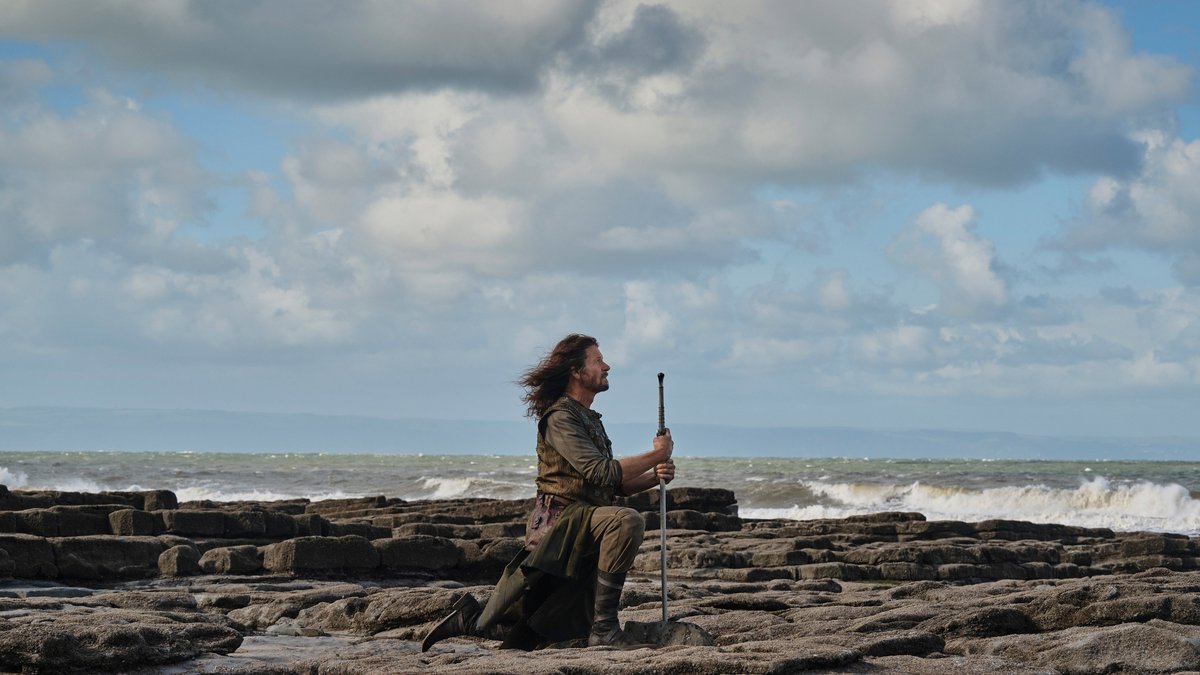
The Stranger. His identity is barely a mystery anymore by the end of Season 2 — which raises the question of why the show kept treating it as one. Credit: Amazon MGM Studios / Prime Video.
Halbrand’s identity, the Stranger’s identity, a Dark Wizard whose allegiance gets teased across most of Season 2 — none of these mystery boxes are automatically bad ideas. The issue is duration. Halbrand’s identity is paced well because it resolves at the Season 1 finale rather than dragging. The Stranger’s doesn’t resolve nearly that cleanly; it’s stretched thin enough that most viewers work out the answer long before the show admits it. Once a mystery’s answer is obvious and the show keeps acting like it isn’t, the withholding stops generating tension and starts generating impatience.
Season 2 is a real improvement, and faithful doesn’t mean identical
It would be easy, and wrong, to treat both seasons as equally flawed. Season 2 has more confident pacing, a much stronger Sauron arc, and the Celebrimbor/Annatar material discussed above — the best sustained writing the show has produced. The Rings’ actual forging, the Seven and the Nine following the Three, finally gives the season’s central object dramatic weight instead of treating it as a MacGuffin. It’s a better season of television than Season 1 by a real margin, even while it inherits Season 1’s problems around Galadriel and compression.
None of this criticism rests on “something changed, therefore it’s bad.” Every adaptation changes things, and demanding word-for-word reproduction of Tolkien’s sparse Second Age notes would be an impossible standard. The actual test is whether the changes preserve what made the characters, history and themes work in the first place. Sauron-as-Annatar preserves the idea Tolkien wrote, with more connective tissue. Galadriel-as-vengeance-warrior replaces the idea Tolkien wrote with a different one. That distinction, not the mere fact of change, is what separates the parts of this show that work from the parts that don’t.
Set the adaptation question aside entirely and it’s simply uneven television. The dialogue leans heavily on portentous, quasi-Shakespearean phrasing that often doesn’t land, and Season 1’s middle stretch drags. But the action sequences — Khazad-dûm’s collapse, the Balrog’s reveal — are staged with real confidence, and the production never looks cheap. As spectacle, it clears the bar. As character drama on its own terms, it’s a middle-of-the-pack prestige fantasy show: better than its worst reputation, short of the “Game of Thrones successor” billing it arrived with.
Season 3 and what it needs to fix
Season 3 premieres November 11, 2026 on Prime Video, with the first four of eight episodes available that day and the rest arriving weekly through November 25. Amazon has confirmed the season picks up roughly five years after Eregion’s fall, with Sauron’s armies at open war against the free peoples as the One Ring nears completion. That’s the framing, not a preview — nothing about how the show handles it has been seen yet. For what that completion actually involves in Tolkien’s own account, see our breakdown of what the One Ring does and why Sauron forged it.
What the first two seasons suggest it needs isn’t a mystery: less time withholding information the audience has already worked out, more confidence dramatizing the Second Age’s actual ideas instead of replacing them, and a Galadriel who gets to be more than one grudge. Season 2’s Sauron material shows the show can get closer to Tolkien when it commits to doing so. Whether that becomes the rule instead of the exception is the real question Season 3 answers.
Verdict: 5/10
There’s a genuinely good Tolkien series somewhere inside The Rings of Power — visible in Khazad-dûm’s gold light, in McCreary’s score, in Vickers finding real menace as Sauron, in the Second Age ideas the show gets right when it stops rewriting around them.
But two seasons in, the adaptation choices are still the main event, and not in a good way. A show this expensive shouldn’t need its own audience to keep separating what Tolkien wrote from what Amazon decided instead just to figure out what they’re watching. Season 2 proves the show can close that gap when it wants to. It hasn’t done it often enough yet.
For other genre TV coverage, see our reviews of House of the Dragon’s Season 3 finale and Supernatural’s full series retrospective.
Make Red Reactions a preferred source
Choose Red Reactions as a preferred source in Google Search.
Confirm your choice on Google.
Related coverage
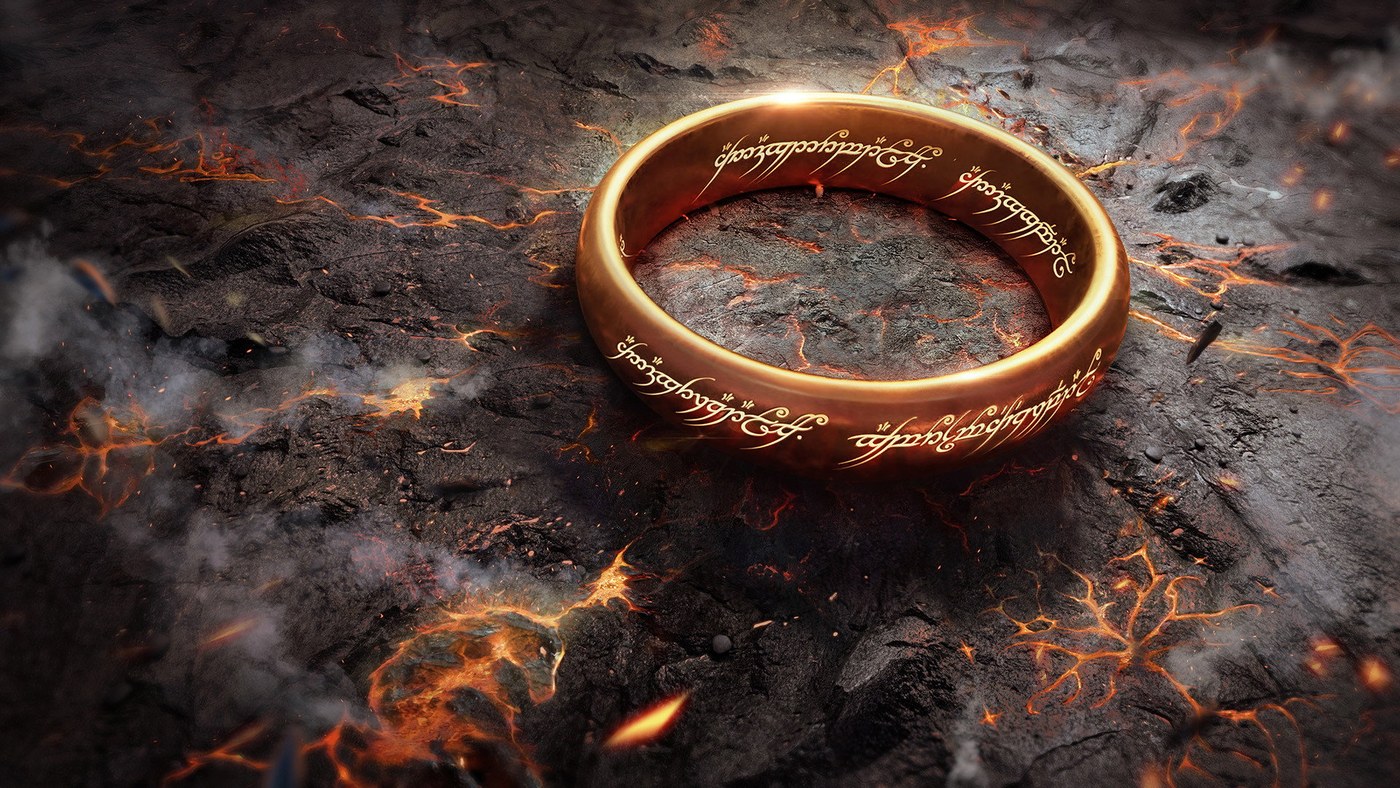
The One Ring Explained: What It Does, Why Sauron Forged It and Why It Corrupts
The One Ring isn't just an invisibility device. Here's what Tolkien's text actually says it does, why Sauron needed it, why it corrupts through desire rather than mind control, and what Rings of Power Season 3 has confirmed about forging it.
Dan Stevens Cast as Alex Murphy in Prime Video's RoboCop Series
Dan Stevens will star as Alex Murphy and RoboCop in Prime Video's eight-episode series from showrunner Peter Ocko and Amazon MGM Studios.
Deadlocked: Jamie Foxx Thriller Prepares for Melbourne Filming
Jamie Foxx's Deadlocked is due to start filming in Victoria next week. Here's the cast, courthouse-hostage premise, creative team and reported Prime Video plan.
The Man with the Bag Teaser: Schwarzenegger Is Santa in Prime Video's Holiday Heist
Arnold Schwarzenegger plays Santa opposite Alan Ritchson in The Man with the Bag. Watch the official teaser and get the confirmed December 2 Prime Video date, premise and cast.
About the author
Aram Anwar
Founder & Editor
Aram Anwar founded Red Reactions and writes across comics, gaming, movies and television. His work includes franchise guides and large Lore / Explained features, with an emphasis on separating confirmed details from reports, theory and speculation.
Coverage: Comics · DC & Marvel · Gaming · Movies & TV · Lore / Explained · Guides
More from Aram Anwar