news · gaming
Sony Says PlayStation Digital Purchases Are Licenses, Not Ownership — What the Lawsuit Actually Argues
No court has ruled that PlayStation players don't own their games. Here's what Heycock v. Sony Corporation of America actually alleges, what Sony argued in its August 21 arbitration motion, and what California's AB 2426 requires.
 By Bamo Anwar5 min read
No court has ruled that PlayStation players don’t own their games. What’s actually happened is narrower: Sony is defending a proposed class action by arguing that its digital transactions grant software licenses, not ownership, and that its existing disclosures already tell customers that clearly enough under California law. The plaintiffs say the PlayStation Store’s “Buy Now” and “Confirm Purchase” buttons don’t satisfy that disclosure requirement. Neither side has won yet.
What the lawsuit actually alleges
The case is Heycock v. Sony Corporation of America, filed June 18, 2026 in the U.S. District Court for the Northern District of California (case 3:26-cv-06016). Four PlayStation owners — Edward Heycock, Andrew Garcia, Jason Mendoza and John Salinas — are suing on behalf of a proposed class of California purchasers, alleging violations of California’s Business and Professions Code §17500.6 (its digital-goods disclosure law), the broader False Advertising Law, and the Consumer Legal Remedies Act.
Their claim: when the PlayStation Store shows “Buy Now,” a reasonable customer understands that as conferring ownership of what they’re purchasing. What they actually receive, per Sony’s own terms, is a revocable license — and the complaint alleges Sony doesn’t disclose that clearly enough at the point of purchase to satisfy state law.
The plaintiffs’ own purchases anchor the complaint: Garcia bought NBA 2K25 for $20.99 in March 2025, then NBA 2K26 and Madden NFL 26 for $65.99 and $69.99 in August 2025 — all after AB 2426’s effective date.
Sony Corporation of America, originally a co-defendant, was voluntarily dismissed from the case on August 20. Sony Interactive Entertainment LLC is now the sole remaining defendant.
What California’s AB 2426 actually requires
AB 2426 took effect January 1, 2025. It bars sellers of qualifying digital goods from using words like “buy” or “purchase” — anything a reasonable person would read as conferring ownership — unless the seller either gets an affirmative acknowledgment at the point of sale that the transaction is a license with disclosed restrictions, or displays a clear, conspicuous statement, separate from other terms, saying plainly that the purchase is a license and linking to the full terms. Subscriptions, free content, and games offered for permanent offline download are exempt. The law carries potential misdemeanor liability and civil penalties for violations.
“Licensed, not sold” — what PlayStation’s own terms say
This part isn’t in dispute. PlayStation’s Software EULA states directly: “The Software is licensed to you, not sold. You are granted a limited, non-exclusive, non-transferable, and personal license to play or use the Software for your private, non-commercial use.” The PlayStation Network Terms of Service put it more plainly still: “When you order or purchase a product from PlayStation Store, you buy a personal license to use that product… but do not own the product.”
Sony isn’t disputing that this is its legal position. Its argument, laid out in its August 21 motion, is that these terms are already presented to customers and that no reasonable consumer actually believes clicking “Buy” on a digital storefront transfers unrestricted ownership — a claim the plaintiffs dispute given how the checkout flow itself is worded.
Why the Resident Evil example is more complicated than it sounds
Sony’s motion points to a specific detail: plaintiff Jason Mendoza bought Resident Evil Requiem for $69.99 on February 14, 2026. Plaintiff Edward Heycock bought the same game 11 days later, on February 25. Sony’s argument is that if Mendoza’s purchase had actually conveyed ownership of the copy, Heycock’s subsequent purchase of the same title wouldn’t make sense.
That’s Sony’s framing, not an established fact, and it’s worth being precise about what it addresses. The plaintiffs aren’t claiming that buying a copy of Resident Evil Requiem should transfer Capcom’s intellectual property to them — nobody disputes that stays with the rightsholder. Their claim is narrower: what rights a customer reasonably expects in the individual copy they paid for, separate from IP ownership entirely. Whether the Resident Evil example actually undercuts that narrower claim, or answers a question the plaintiffs weren’t asking, is the kind of argument that gets fought out in briefing, not settled by Sony raising it in a motion.
What this does not mean
Given how fast this kind of story travels, it’s worth being explicit about what hasn’t happened. This does not mean a judge has ruled against PlayStation customers. Sony has not announced it will delete anyone’s game library. Sony did not suddenly turn purchases into licenses in August — its terms have said “licensed, not sold” for years, and this dispute is about disclosure, not a new policy. Customers never owned the underlying game IP, before or after this suit. AB 2426 doesn’t require digital games to become permanently ownable; it requires clearer disclosure when they aren’t. And Sony hasn’t won the case — an arbitration motion is a request, not a decision, and there’s no guarantee the dispute reaches a merits trial in court at all.
Does this change the games already in your library?
Not because of anything that’s happened in this case so far. No ruling has changed how digital licensing works, no court has certified a class, and nothing here means Sony has announced any change to existing libraries. Separately, Sony told Game File in April 2026 that newly purchased digital games require one initial online license check and can then be played without recurring 30-day check-ins — a DRM/access detail distinct from this lawsuit’s disclosure dispute, and it applies to how games are verified, not to whether the underlying transaction is a sale or a license.
What happens next
Sony’s August 21 filing is a motion to compel arbitration and stay proceedings, or alternatively dismiss the complaint — not a ruling. Under Section 14 of the PlayStation Terms of Service, U.S. users agree to resolve disputes through individual arbitration rather than court, unless they opted out in writing within 30 days of accepting the terms. The plaintiffs’ opposition is due September 4, Sony’s reply is due September 11, and a hearing is scheduled for October 1 before Judge Vince Chhabria in San Francisco.
If Sony’s motion succeeds, the case could move out of court entirely and into individual arbitration rather than proceeding as a class action. If it fails, the case continues toward an actual ruling on whether Sony’s disclosures satisfy AB 2426 — a question that, as of now, remains open.
Sources
Make Red Reactions a preferred source
Choose Red Reactions as a preferred source in Google Search.
Confirm your choice on Google.
Related coverage
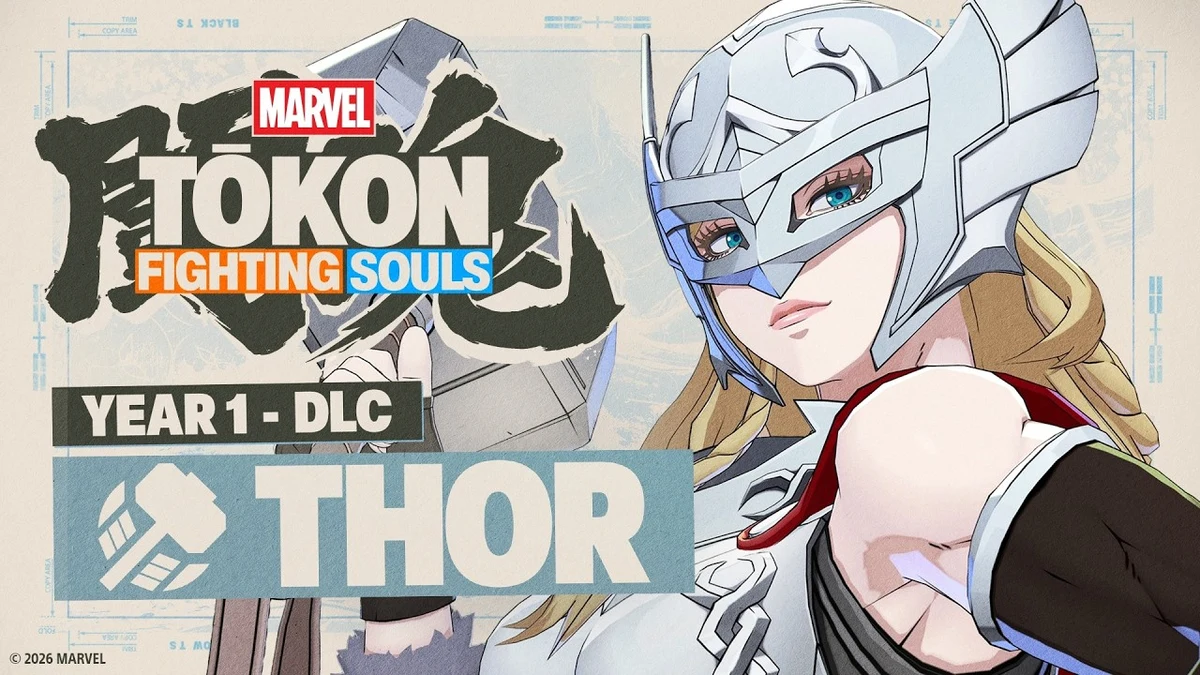
Marvel Tōkon Year One DLC Roadmap: Jane Foster, Venom and Jubilee Revealed
Marvel Tōkon’s Year One Pass adds Phoenix Cyclops, Jane Foster, Venom and Jubilee. Check the announced dates, Klyntar stage and base-game requirement.

Gran Turismo 7 Spec IV Part 1: October 15, Six Cars and SUGO
Gran Turismo 7 Update 1.72 arrives October 15 with SUGO, six cars and Car Concierge. See the October–December split and Sweden's scheduled rollout time.
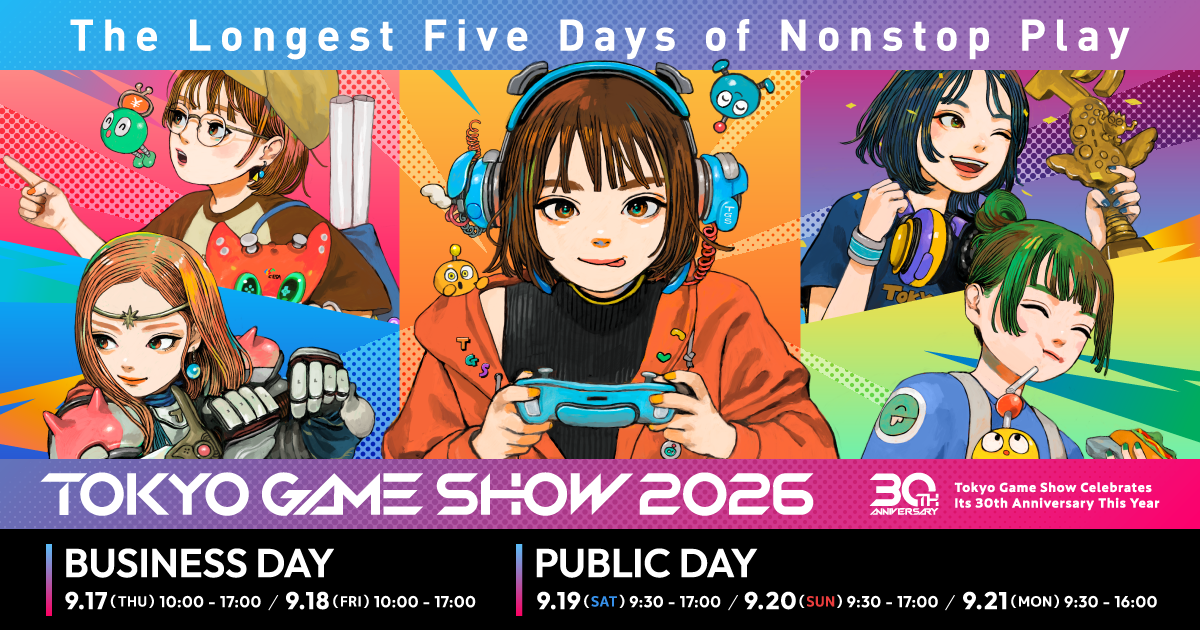
Tokyo Game Show 2026 Final Day Was Canceled — What Still Streamed Online
Tokyo Game Show 2026's September 21 show floor was canceled, but CESA's official online program continued. Here's what was scheduled, what remains officially playable, and what PlayStation canceled separately.
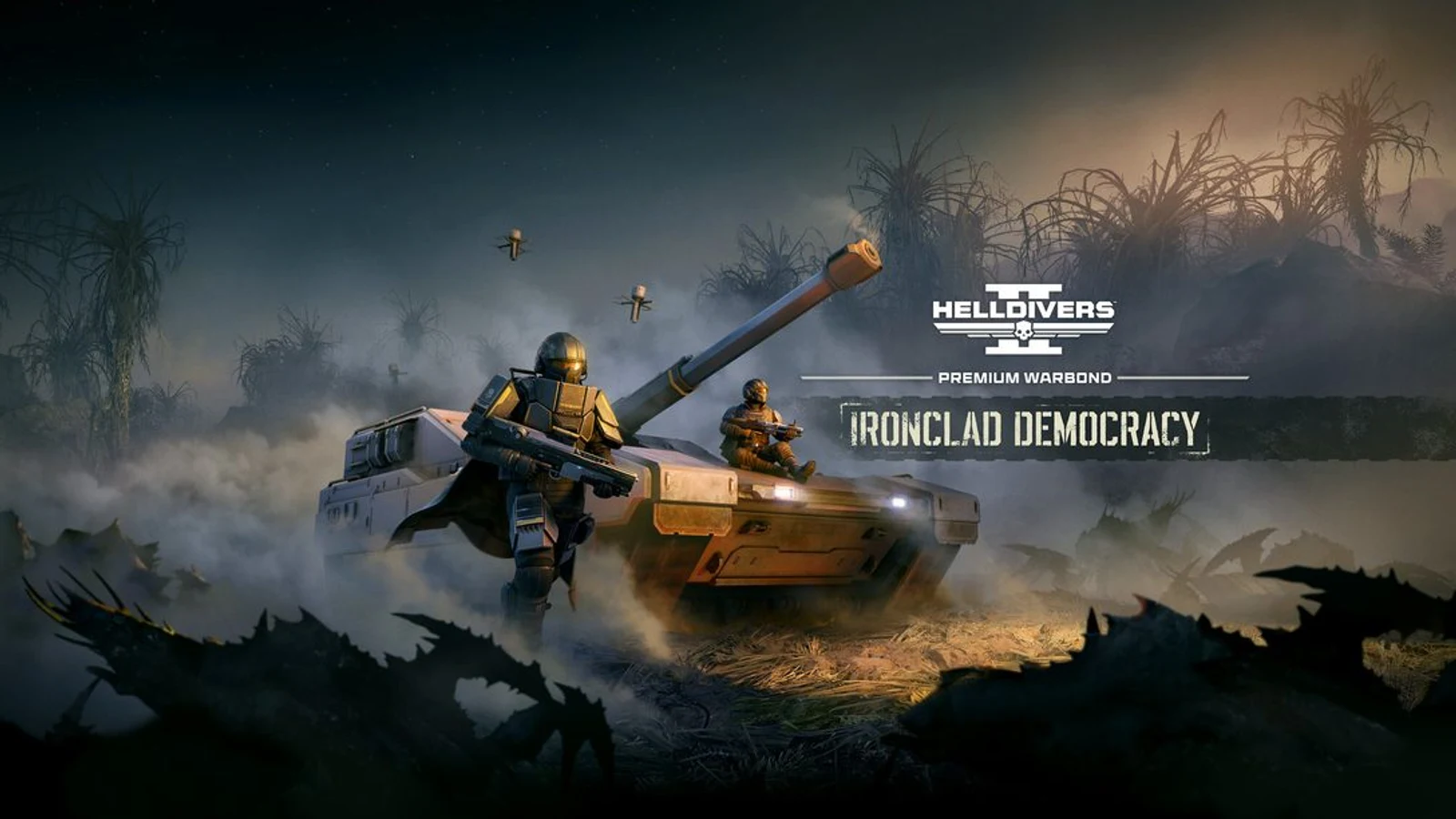
Helldivers 2: Ironclad Democracy Warbond — What Actually Changes
Helldivers 2's Ironclad Democracy Warbond launches September 22 with three weapons, anti-tank tools and the series' first tank-exclusive patterns. Here's what's confirmed.
About the author
Bamo Anwar
Anime & Gaming Writer
Bamo Anwar covers anime and gaming for Red Reactions. His work ranges from release news and detailed trailer breakdowns to beginner guides, watch orders and explainers designed to make large franchises and game systems easier to enter.
Coverage: Anime · Gaming · Beginner Guides · Watch Orders · Explainers
More from Bamo Anwar