feature · tv
Who Was Bridget Sullivan? The Real 'Maggie' Behind Monster: The Lizzie Borden Story
Vicky Krieps plays Bridget 'Maggie' Sullivan in Netflix's Monster: The Lizzie Borden Story. Here's who the real Bridget Sullivan was, why she was called Maggie, and what's actually documented about her life.
 By Kenza Benouna3 min read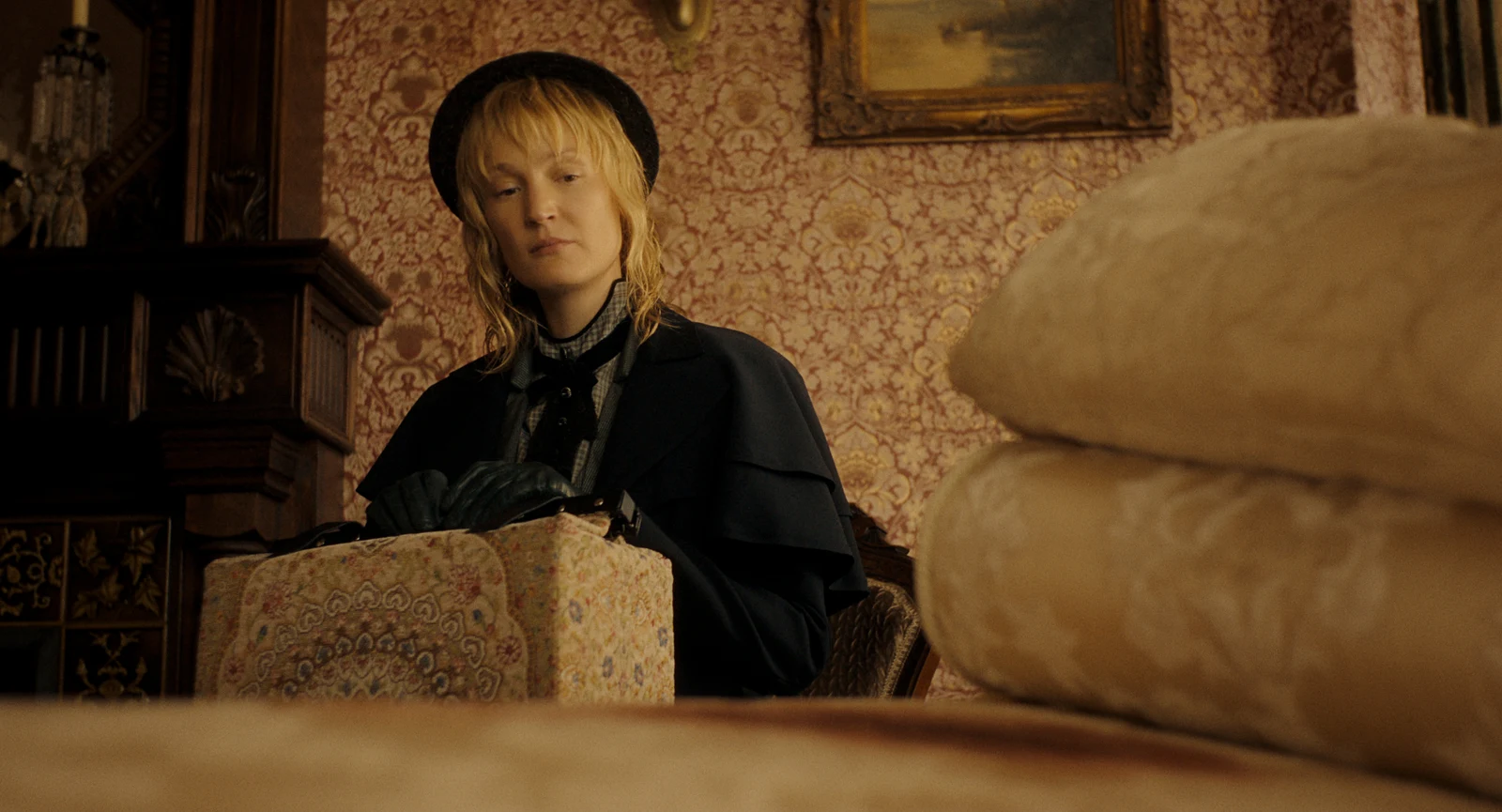
Spoiler warning: This piece discusses how Monster: The Lizzie Borden Story portrays Bridget Sullivan and Lizzie Borden’s relationship.
In Monster: The Lizzie Borden Story, Vicky Krieps plays Bridget “Maggie” Sullivan — the Bordens’ live-in maid, and, in the show’s fictionalized telling, the woman who awakens Lizzie’s desires and ultimately helps her commit murder. The real Bridget Sullivan was a very different figure: a young Irish immigrant caught up in a case that would define the rest of her life, whether she wanted it to or not.
Who she really was
Bridget Sullivan was born around 1866 in Allihies, County Cork, Ireland, and emigrated to the United States as a young woman. By the time of the murders, she’d worked for the Borden family for roughly two years and nine months as their live-in domestic servant, handling cooking, cleaning and general household duties. At trial, she testified she was 26 years old and unmarried.
Why the family called her “Maggie”
The nickname wasn’t personal — it was a habit. The Bordens’ previous maid had been named Maggie, and Lizzie and her sister Emma reportedly kept using that name for Bridget out of convenience rather than any particular disrespect (though the show frames it more pointedly as the family thinking too little of her to bother learning her real name).
Her role on the day of the murders
Bridget’s whereabouts that morning became a key part of the case. She testified she was outside washing windows around the time Abby Borden was killed upstairs, then went up to her own third-floor room to rest — which is where she was, by her account, when Andrew Borden was killed downstairs. Her testimony helped establish reasonable doubt about the timeline, since it placed her at some distance from both killings without fully accounting for Lizzie’s whereabouts either. For the fuller timeline of the murders themselves, see our chronology explainer.
What happened to her after the trial
Bridget left Fall River after the trial concluded. By 1897 she had relocated to Anaconda, Montana; she married John Sullivan in 1905, and lived out the rest of her life in Butte, Montana, where she died in 1948 at around 81 or 82 years old. By most accounts, she never spoke publicly about the Borden case again after leaving Massachusetts.
Was there really a relationship with Lizzie?
No documented evidence exists. This is the single biggest invention in Netflix’s version of the story. There are no letters, diary entries, contemporary testimony or any other historical record suggesting a romantic or sexual relationship between Lizzie Borden and Bridget Sullivan. The dynamic Netflix builds — Maggie “introducing Lizzie to a world of pleasure,” per the show’s own official description — is a modern dramatic invention layered entirely onto real people’s names and circumstances. Nothing about it should be read as based on documented history.
Why Netflix’s version of Maggie functions differently
In the show, Bridget’s real courtroom alibi — that she was washing windows during Abby’s murder — becomes something the show stages as a deliberate performance “for passersby,” turning a piece of real testimony into an act of calculated deception. It’s a small but telling example of how the series takes verifiable trial details and recontextualizes them to fit its fictional narrative, rather than inventing wholly new facts. For the complete list of what’s real and what’s dramatized across the whole season, see our true-story-vs-Netflix breakdown.
Sources
Related coverage
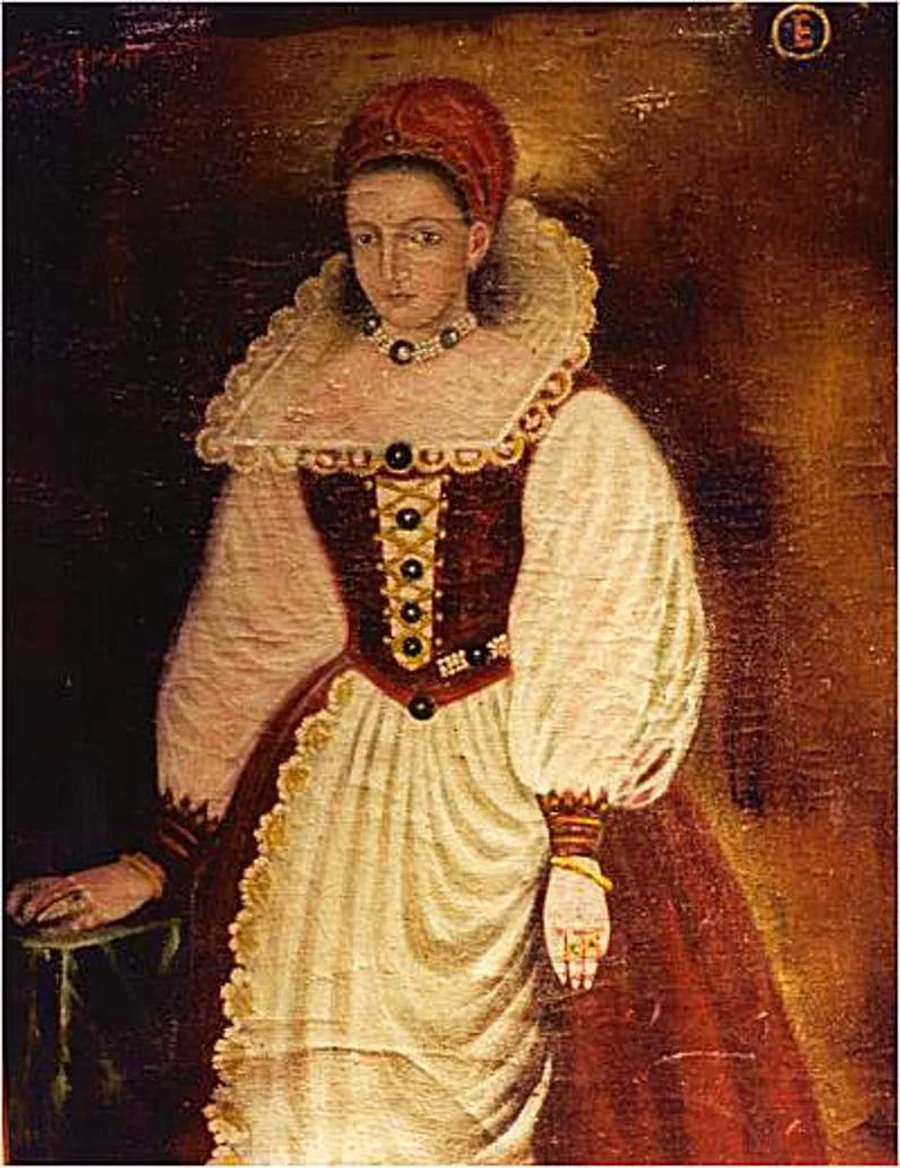
Why Is Elizabeth Báthory in Monster: The Lizzie Borden Story? The Connection Explained
Vicky Krieps plays both Bridget Sullivan and Elizabeth Báthory in Netflix's Monster: The Lizzie Borden Story. Here's who Báthory really was, what's legend versus documented history, and why there's no actual link to Lizzie Borden.
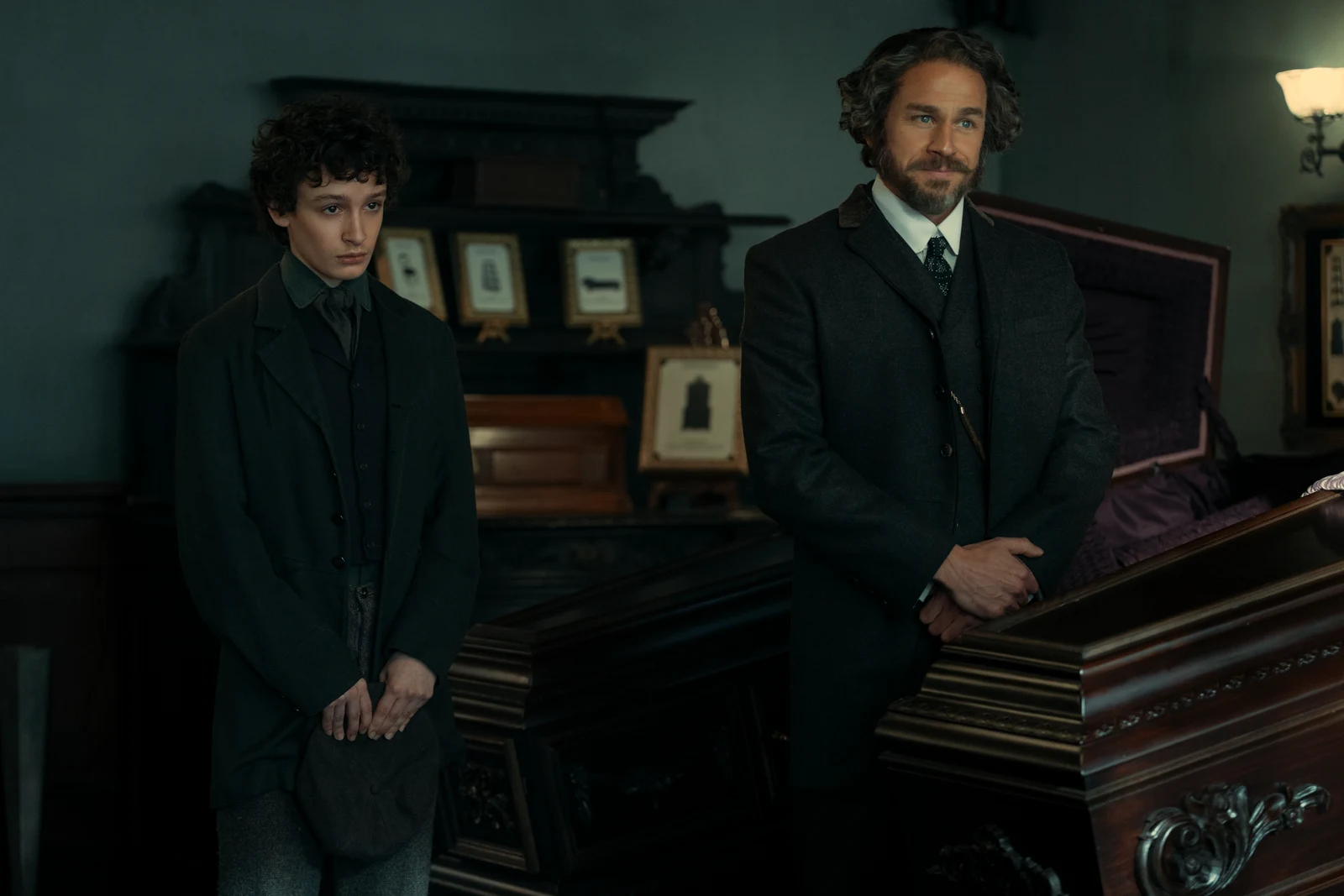
Monster: The Lizzie Borden Story — True Story vs. Netflix: What Really Happened?
Netflix's Monster: The Lizzie Borden Story dramatizes the 1892 axe murders of Andrew and Abby Borden. Here's what's documented fact, what's disputed, and what Ryan Murphy and Ian Brennan invented for the show.
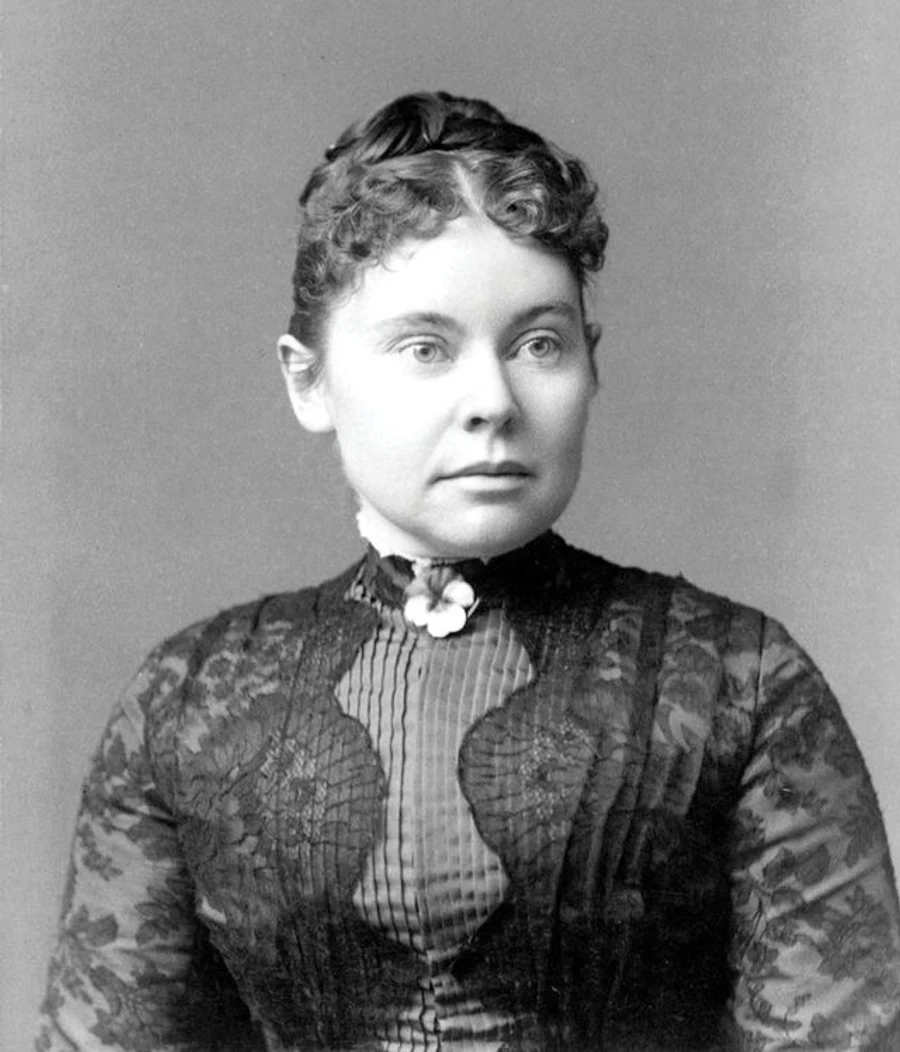
Did Lizzie Borden Really Give Her Parents 40 and 41 Whacks? The Rhyme vs. the Evidence
The famous 'Lizzie Borden took an axe' rhyme claims 40 and 41 blows. The real 1892 autopsy record says otherwise — and the rhyme itself started out with different numbers entirely.
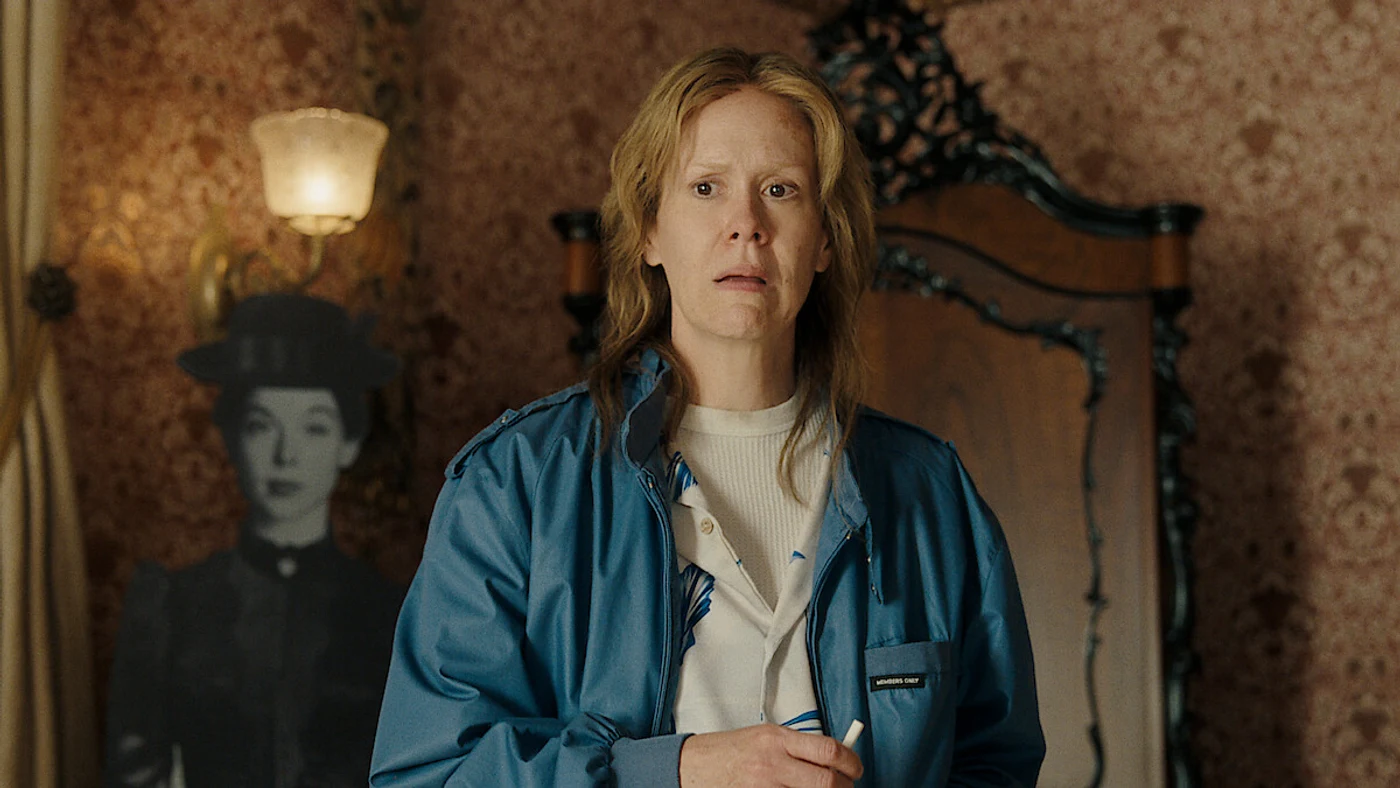
Did Aileen Wuornos Really Know About Lizzie Borden? Monster's Connection Explained
Netflix's Monster: The Lizzie Borden Story connects Lizzie Borden to Aileen Wuornos nearly a century later. Netflix's own material says there's no evidence the real Wuornos was fixated on the Borden case — here's what is true.
About the author
Kenza Benouna
Movies, TV & Horror Writer
Kenza Benouna writes about movies and television, with a substantial archive in horror. Her Red Reactions work includes reviews, supernatural and franchise lore, story explainers and analysis of character, atmosphere and adaptation.
Coverage: Horror · Movies · TV · Reviews · Lore & Features
More from Kenza Benouna