feature · tv
Did Lizzie Borden Really Give Her Parents 40 and 41 Whacks? The Rhyme vs. the Evidence
The famous 'Lizzie Borden took an axe' rhyme claims 40 and 41 blows. The real 1892 autopsy record says otherwise — and the rhyme itself started out with different numbers entirely.
 By Kenza Benouna2 min read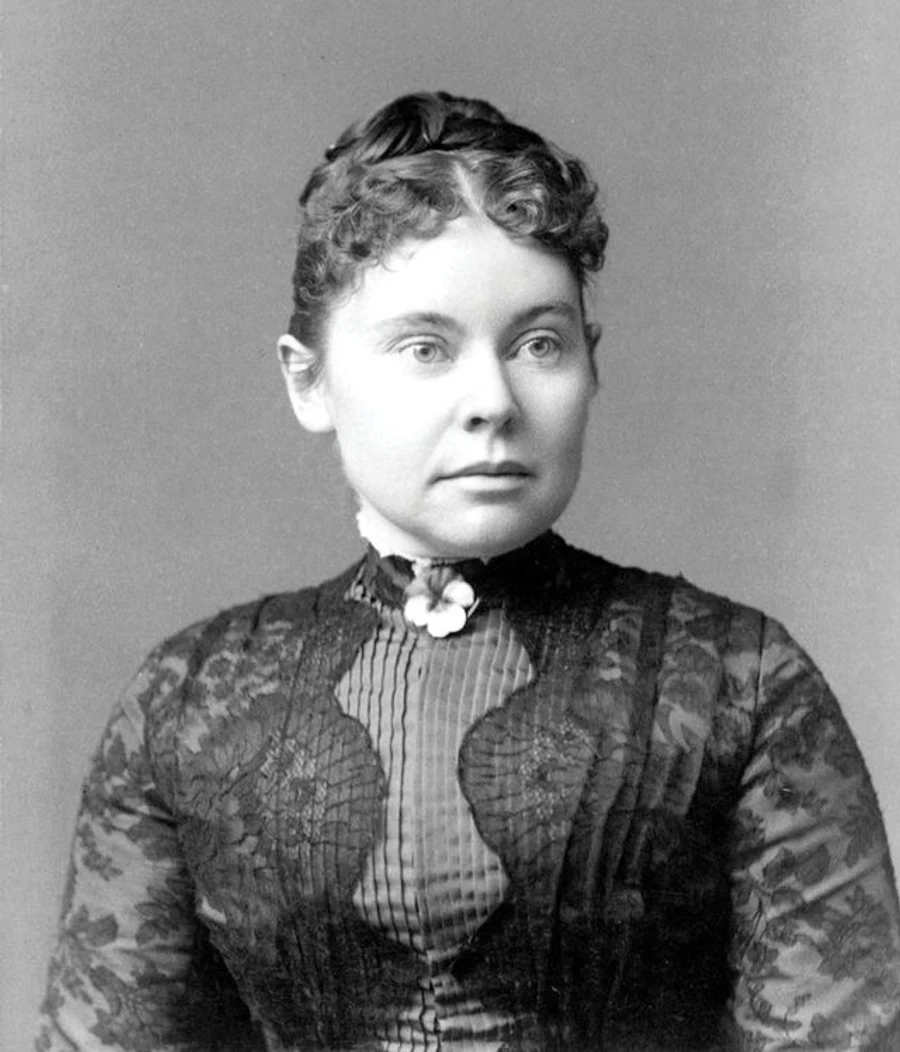
“Lizzie Borden took an axe and gave her mother forty whacks; when she saw what she had done, she gave her father forty-one.” It’s the single most famous thing most people know about the Borden case — and nearly every part of it is wrong.
The real wound counts
According to the actual 1892 autopsy record, Abby Borden was struck approximately 18 times, and Andrew Borden approximately 10 times. That’s a fraction of the rhyme’s “forty” and “forty-one.” Netflix’s own material for Monster: The Lizzie Borden Story cites these same corrected figures, describing the real totals as 19 for Abby and 11 for Andrew — figures close enough to the primary autopsy record that the discrepancy likely comes down to how different accounts count overlapping or glancing wounds. Either way, the rhyme roughly doubles or triples the true numbers.
“Mother” is also wrong
Abby Borden was Lizzie’s stepmother — Andrew’s second wife. Lizzie’s birth mother had died decades before the murders. The rhyme’s use of “mother” isn’t just imprecise shorthand; it erases a genuinely relevant detail, since the tension between Lizzie and her stepmother is a real, documented part of the household dynamic historians point to when discussing the case.
Where the rhyme actually came from
No one knows who wrote it — historians generally attribute it to an unidentified newspaperman capitalizing on the sensational case. But the rhyme didn’t start at “40” and “41.” The earliest known printed versions, which appeared as newspaper filler in early 1894 — roughly eight months after Lizzie’s June 1893 acquittal — actually read “twenty whacks, and twenty-one.” The now-famous “forty/forty-one” version was popularized decades later, in 1924, by true-crime writer Edmund Pearson in his book Studies in Murder. That’s the version that stuck in pop culture. It’s traditionally sung to the tune of “Ta-ra-ra Boom-de-ay.”
Why the rhyme endures anyway
Factually inaccurate or not, the rhyme became the dominant cultural shorthand for the entire case — appearing in countless books, films and references since, including as the backdrop for how most people first encounter the Borden case at all. Monster: The Lizzie Borden Story is only the latest retelling to grapple with separating the folklore from the documented record. For the full chronology of what actually happened that day, see our murders explainer, or go back to our complete true-story-vs-Netflix comparison.
Sources
- Netflix Tudum — What's the True Story That Inspired Monster: The Lizzie Borden Story? — September 17, 2026
- History.com — How the Gruesome Lizzie Borden Rhyme Gets the Murders Wrong
- Mental Floss — What the Lizzie Borden Nursery Rhyme Gets Wrong
- Famous Trials (UMKC School of Law) — Lizzie Borden Autopsy Reports
Related coverage
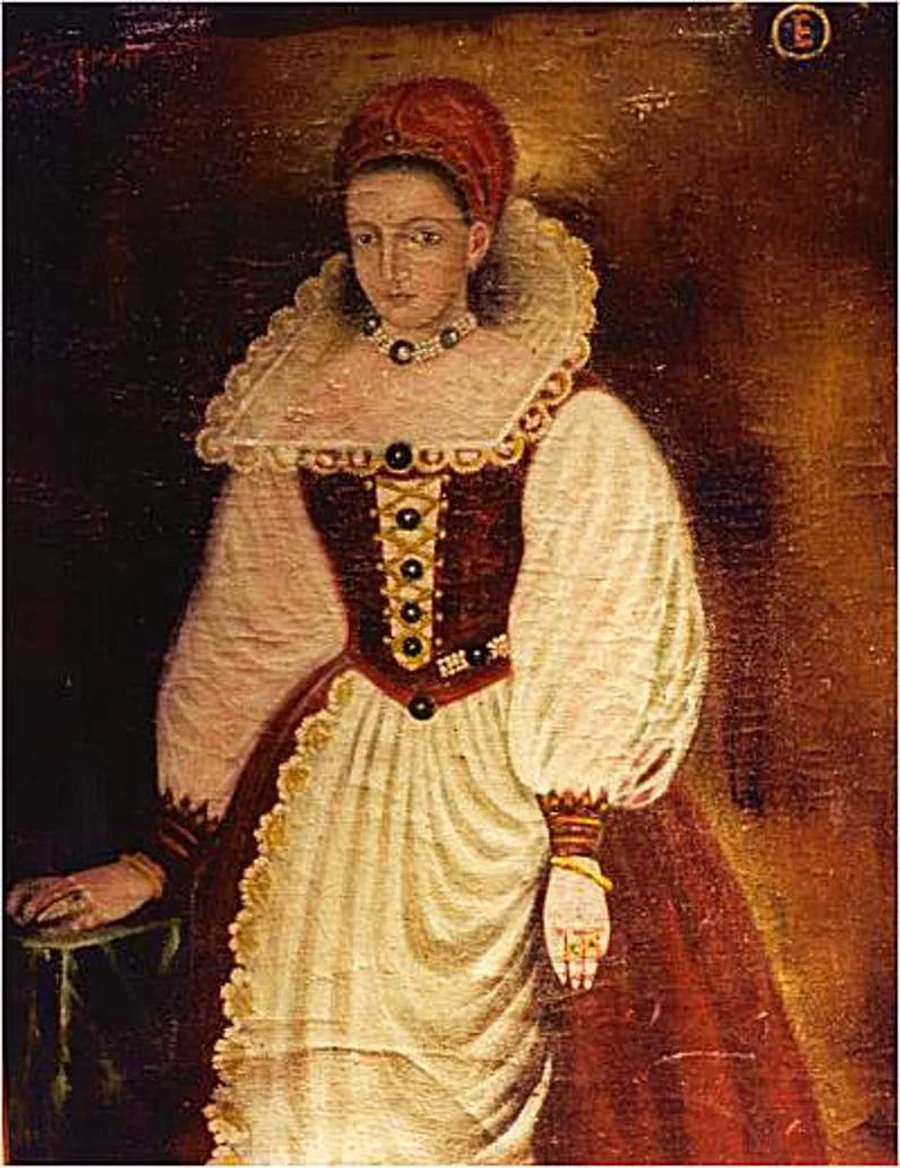
Why Is Elizabeth Báthory in Monster: The Lizzie Borden Story? The Connection Explained
Vicky Krieps plays both Bridget Sullivan and Elizabeth Báthory in Netflix's Monster: The Lizzie Borden Story. Here's who Báthory really was, what's legend versus documented history, and why there's no actual link to Lizzie Borden.
Did Aileen Wuornos Really Know About Lizzie Borden? Monster's Connection Explained
Netflix's Monster: The Lizzie Borden Story connects Lizzie Borden to Aileen Wuornos nearly a century later. Netflix's own material says there's no evidence the real Wuornos was fixated on the Borden case — here's what is true.
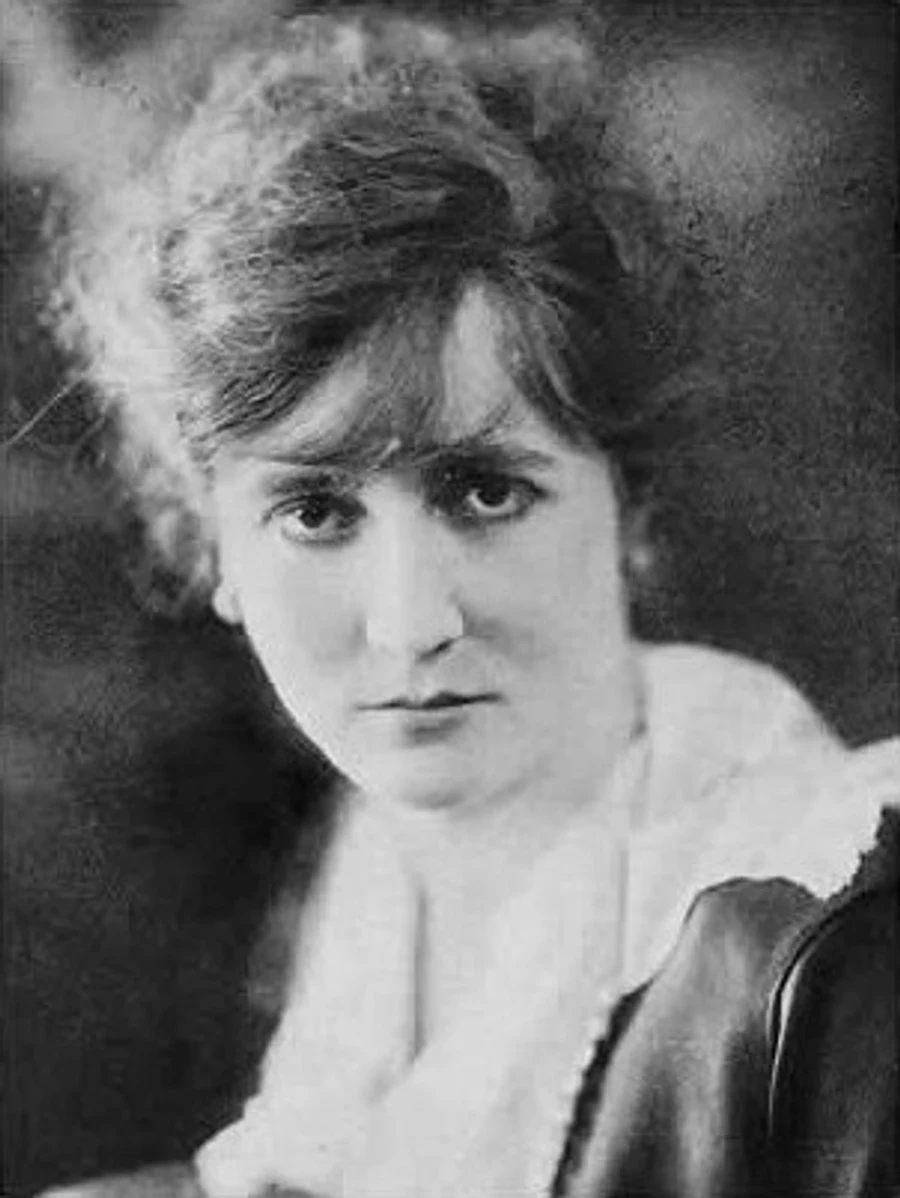
Lizzie Borden and Nance O'Neil — What Was Their Real Relationship?
Netflix's Monster: The Lizzie Borden Story has actress Nance O'Neil coaching Lizzie through her murder trial. In reality, they didn't meet until 1904 — over a decade later. Here's the real timeline.
Who Was Bridget Sullivan? The Real 'Maggie' Behind Monster: The Lizzie Borden Story
Vicky Krieps plays Bridget 'Maggie' Sullivan in Netflix's Monster: The Lizzie Borden Story. Here's who the real Bridget Sullivan was, why she was called Maggie, and what's actually documented about her life.
About the author
Kenza Benouna
Movies, TV & Horror Writer
Kenza Benouna writes about movies and television, with a substantial archive in horror. Her Red Reactions work includes reviews, supernatural and franchise lore, story explainers and analysis of character, atmosphere and adaptation.
Coverage: Horror · Movies · TV · Reviews · Lore & Features
More from Kenza Benouna