feature · tv
Lizzie Borden and Nance O'Neil — What Was Their Real Relationship?
Netflix's Monster: The Lizzie Borden Story has actress Nance O'Neil coaching Lizzie through her murder trial. In reality, they didn't meet until 1904 — over a decade later. Here's the real timeline.
 By Kenza Benouna3 min read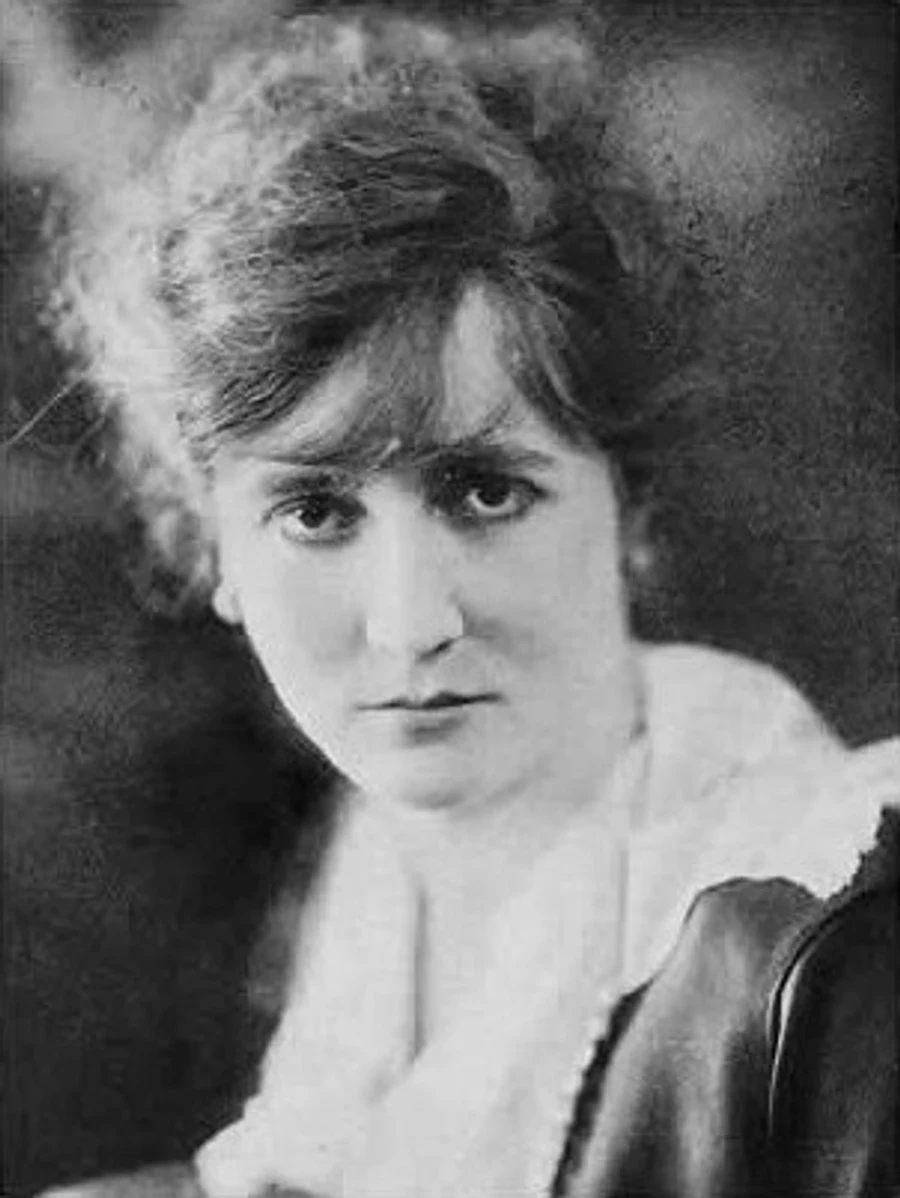
Spoiler warning: This piece discusses how Monster: The Lizzie Borden Story uses Nance O’Neil’s timeline, and what actually happened.
In Monster: The Lizzie Borden Story, stage actress Nance O’Neil (Jessica Barden) becomes Lizzie’s confidante and coach during the murder trial, teaching her how to present herself sympathetically to the jury. It’s a compelling device for dramatizing a real friendship — but the timeline is significantly compressed. The real Nance O’Neil didn’t enter Lizzie’s life until more than a decade after the trial ended.
Who Nance O’Neil actually was
O’Neil was a prominent American stage actress of the era, known for touring productions across the country in the early 1900s. She and Lizzie Borden moved in entirely different worlds until a chance encounter years after Lizzie’s acquittal.
When they actually met: 1904, not during the trial
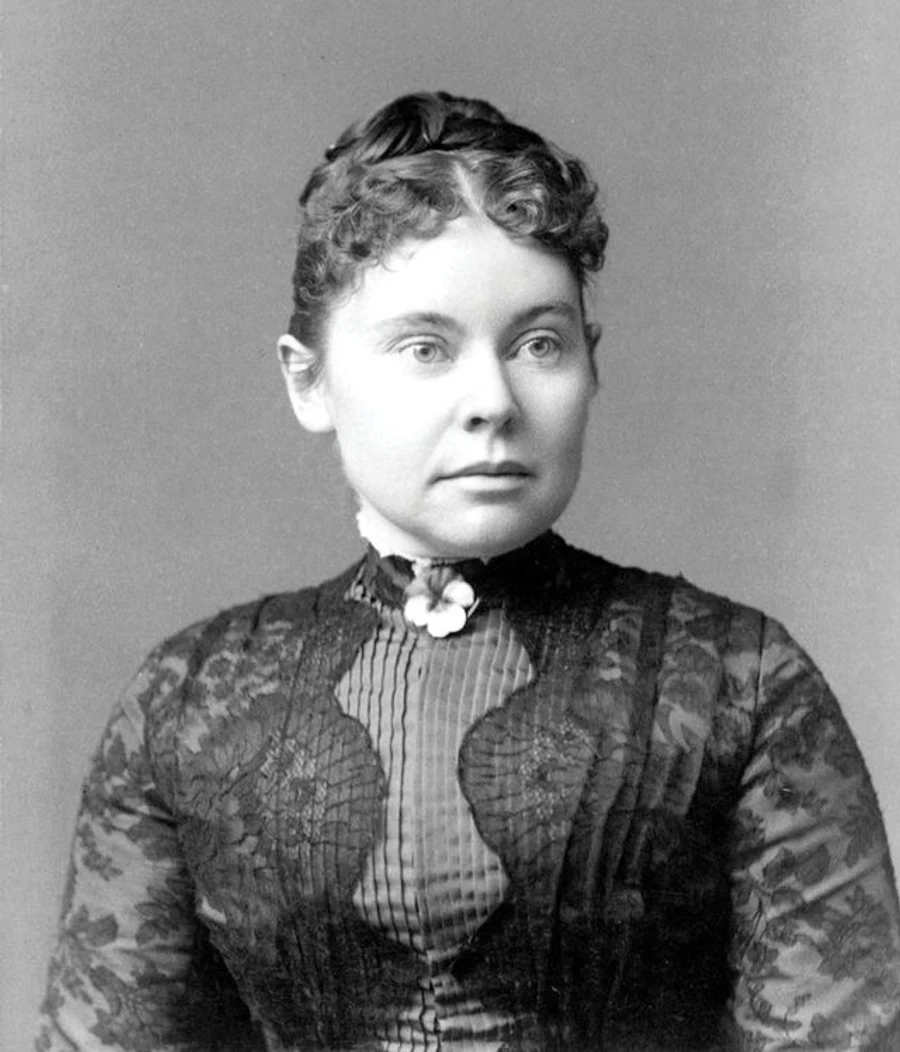
Lizzie and Nance O’Neil first met in 1904 — over a decade after Lizzie’s June 1893 acquittal. Lizzie attended one of O’Neil’s performances in Boston, was impressed enough to send a note backstage along with flowers, and asked to meet her. That’s the real origin of their relationship — nothing to do with the trial, which had concluded years earlier.
What the documented friendship actually looked like
Their relationship lasted roughly two years. Lizzie hosted O’Neil and members of her theater troupe at Maplecroft, the house Lizzie bought after the trial, and also visited O’Neil’s country home in Tyngsborough, Massachusetts. There’s an unconfirmed claim that Lizzie may have helped fund or write a play for O’Neil, though neither woman left documentation confirming it.
The rift with Emma
In 1905, Lizzie’s relationship with her older sister Emma broke down completely and permanently. Contemporary newspaper reporters speculated the split was connected to the parties and company Lizzie kept with O’Neil’s theater circle, but that causal link was never confirmed by either sister — it’s press speculation from the time, not documented fact. Whatever the cause, Emma and Lizzie never reconciled.
Was it romantic?
Disputed — not confirmed either way. Neither woman left letters, diaries, or other records clarifying the nature of their relationship. O’Neil later described Lizzie, in a retrospective comment, as “distinctively attractive,” and used a “ships that pass in the night” framing about their friendship — evocative, but ambiguous, and said well after the fact. Broader modern speculation about Lizzie Borden’s sexuality draws on circumstantial elements: she never married, kept close female friendships throughout her life, and had this documented relationship with O’Neil. That reading is a later interpretive theory, not an established historical fact, and should be treated as such.
Why Netflix moved the timeline
Compressing O’Neil into the trial period gives the show a clean narrative function — an ally teaching Lizzie to perform respectability for a jury — that the real, later-in-life friendship couldn’t provide. It’s a deliberate dramatic choice, not a claim that this is what actually happened. For the trial Lizzie actually faced without O’Neil’s coaching, see our full trial and acquittal breakdown. For the complete list of what’s real and dramatized across the season, see our true-story-vs-Netflix comparison.
Sources
Related coverage
Did Lizzie Borden Really Give Her Parents 40 and 41 Whacks? The Rhyme vs. the Evidence
The famous 'Lizzie Borden took an axe' rhyme claims 40 and 41 blows. The real 1892 autopsy record says otherwise — and the rhyme itself started out with different numbers entirely.
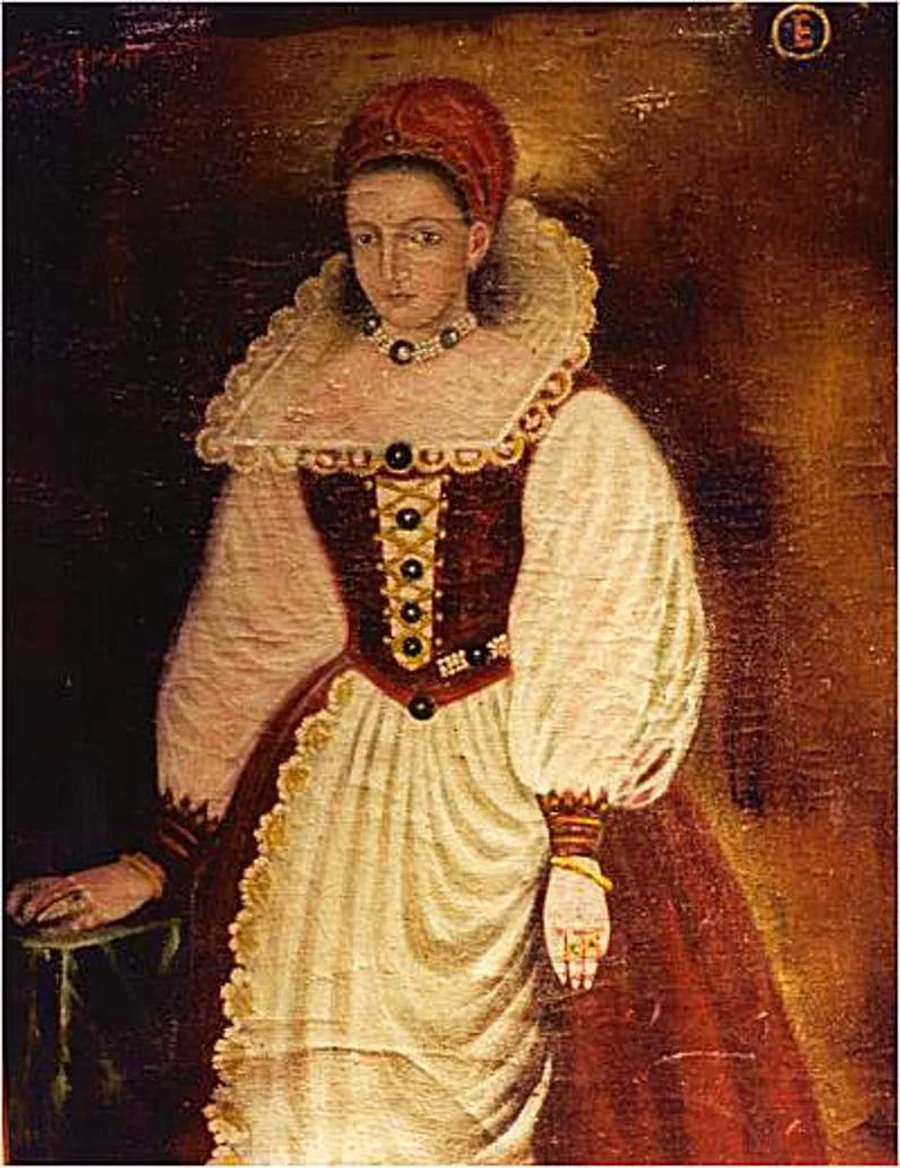
Why Is Elizabeth Báthory in Monster: The Lizzie Borden Story? The Connection Explained
Vicky Krieps plays both Bridget Sullivan and Elizabeth Báthory in Netflix's Monster: The Lizzie Borden Story. Here's who Báthory really was, what's legend versus documented history, and why there's no actual link to Lizzie Borden.
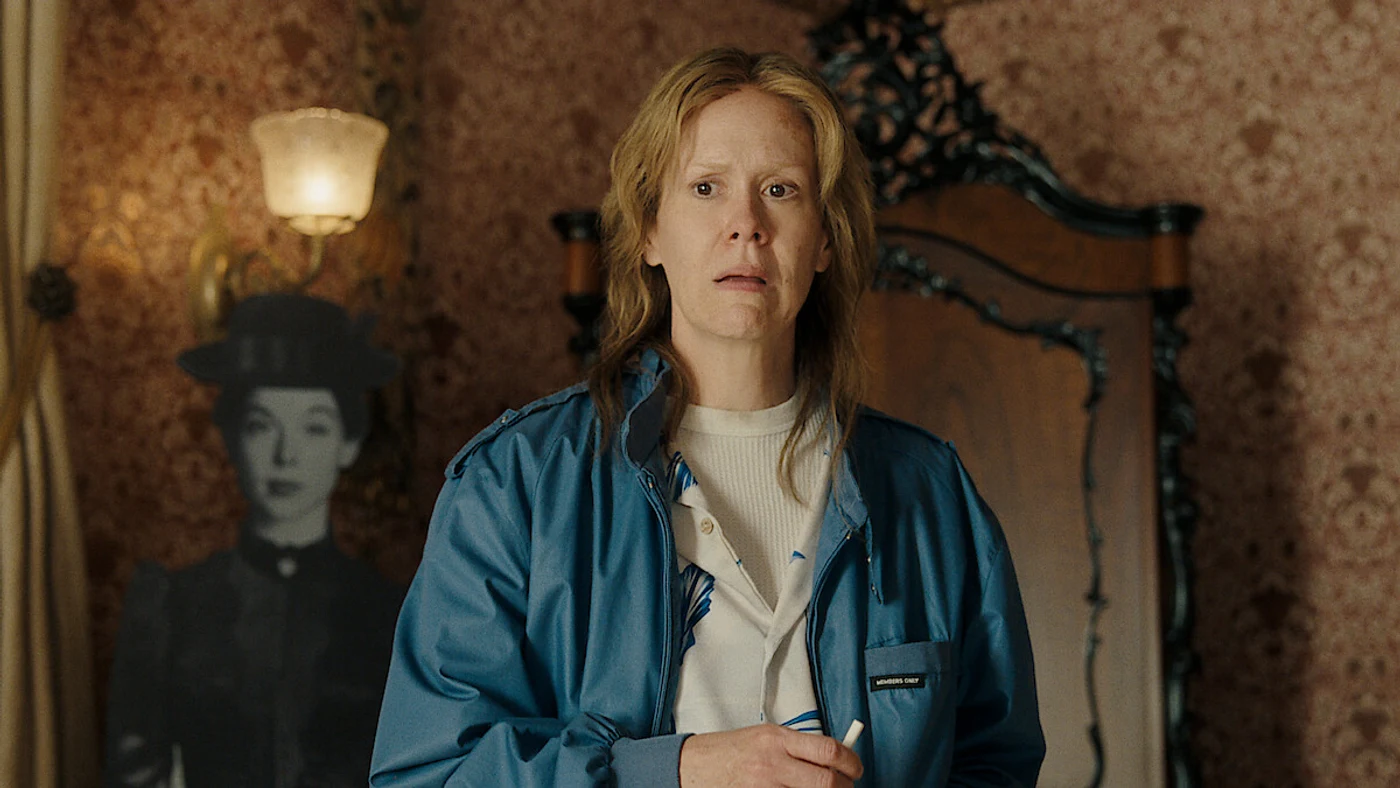
Did Aileen Wuornos Really Know About Lizzie Borden? Monster's Connection Explained
Netflix's Monster: The Lizzie Borden Story connects Lizzie Borden to Aileen Wuornos nearly a century later. Netflix's own material says there's no evidence the real Wuornos was fixated on the Borden case — here's what is true.
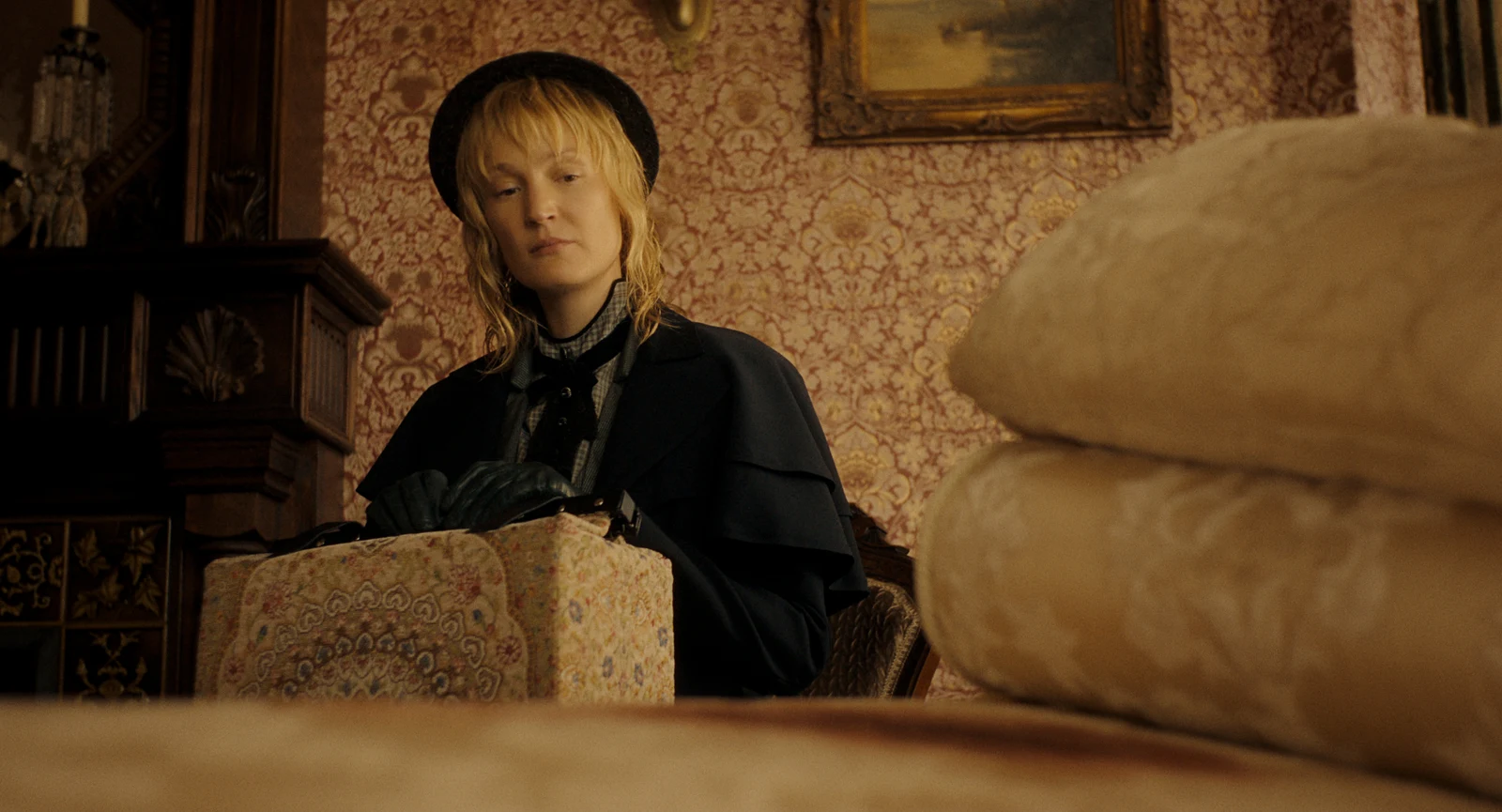
Who Was Bridget Sullivan? The Real 'Maggie' Behind Monster: The Lizzie Borden Story
Vicky Krieps plays Bridget 'Maggie' Sullivan in Netflix's Monster: The Lizzie Borden Story. Here's who the real Bridget Sullivan was, why she was called Maggie, and what's actually documented about her life.
About the author
Kenza Benouna
Movies, TV & Horror Writer
Kenza Benouna writes about movies and television, with a substantial archive in horror. Her Red Reactions work includes reviews, supernatural and franchise lore, story explainers and analysis of character, atmosphere and adaptation.
Coverage: Horror · Movies · TV · Reviews · Lore & Features
More from Kenza Benouna