feature · tv
Why Was Lizzie Borden Acquitted? The Trial, Evidence and Reasonable Doubt Explained
Lizzie Borden was tried for the 1892 murders of her father and stepmother and acquitted in June 1893. Here's what evidence was excluded, what the defense argued, and what acquittal actually means.
 By Kenza Benouna4 min read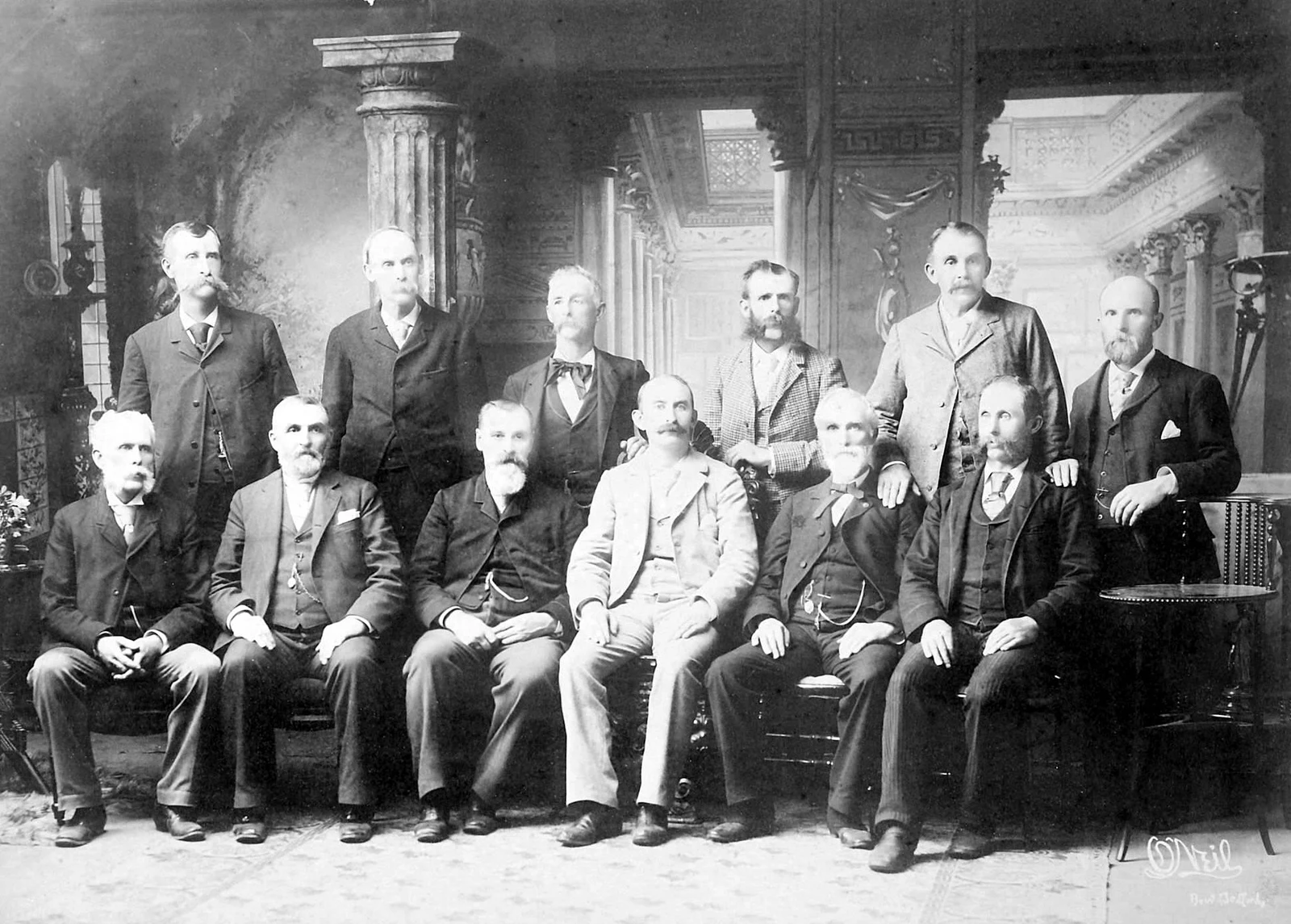
Lizzie Borden was arrested on August 11, 1892, a week after her father and stepmother were found murdered in their Fall River home. Ten months later, a jury acquitted her. Here’s how the case actually unfolded — and why “not guilty” doesn’t mean the same thing as “innocent.”
From arrest to indictment
Two weeks after the murders, an inquest was held where Lizzie testified without an attorney present — and, significantly, while under morphine that had been prescribed by her doctor for her nerves. That testimony would later be excluded from her trial specifically because of those conditions. On December 1, 1892, a grand jury heard testimony from Lizzie’s friend Alice Russell, who described watching Lizzie burn a dress in the kitchen stove days after the murders. That testimony helped secure Lizzie’s indictment.
The trial: June 1893
The trial took place in New Bedford, Massachusetts, starting in June 1893. Two pieces of evidence that might have strengthened the prosecution’s case never reached the jury:
- Lizzie’s inquest testimony was ruled inadmissible because she gave it without legal counsel present and while under the influence of morphine.
- The prussic acid testimony — a pharmacy clerk’s account that Lizzie tried to buy poison the day before the murders — was excluded because prosecutors couldn’t tie it directly enough to premeditation for these specific killings.
Beyond those exclusions, the prosecution’s case had real physical gaps: no murder weapon was conclusively identified (a hatchet found in the cellar had no blood on it after testing), and no bloodstained clothing was definitively linked to Lizzie.
The defense’s strategy
Lizzie’s defense leaned heavily on the physical and cultural evidence gaps, but also on Victorian gender expectations. Dressed conservatively throughout the trial, Lizzie was presented as a genteel, delicate woman — the implicit argument being that someone of her class and femininity was an unlikely candidate for such a brutal, physical crime. That strategy, combined with the absence of a murder weapon or forensic link, gave the jury real grounds for reasonable doubt.
The verdict — and what it actually means
The jury acquitted Lizzie Borden on June 20, 1893, reportedly after a relatively brief deliberation (widely reported as around 90 minutes), though the jury is said to have waited before returning so the decision wouldn’t appear too hasty. Legally, “not guilty” means the prosecution failed to prove its case beyond a reasonable doubt — it is not a court finding of innocence. The distinction matters here specifically because so much circumstantial evidence did point toward Lizzie, even as the strongest individual pieces were excluded or inconclusive.
Did investigators seriously consider anyone else?
A handful of alternative theories have circulated over the decades, none with strong evidentiary support:
- John Morse, Lizzie’s uncle, was in the area that morning but had a corroborated alibi placing him elsewhere during the murders.
- An illegitimate son of Andrew Borden’s was proposed as the real killer in a single 1991 book — a late theory with no contemporary 1892 evidence behind it.
- Emma Borden, Lizzie’s older sister, has occasionally been named due to inheritance motive, but she was roughly 15 miles away with a corroborated alibi.
- Bridget Sullivan, the family’s maid, was in the house that day but has no established motive. More on her in our full profile.
None of these displaced Lizzie as the primary suspect in the public eye — many of her own neighbors remained convinced of her guilt even after the acquittal.
How Netflix changes the trial
Monster: The Lizzie Borden Story gives Lizzie a coach during the trial: stage actress Nance O’Neil, who helps her present herself sympathetically to the jury. That’s a significant chronology change — in reality, Lizzie and O’Neil didn’t meet until 1904, over a decade after this trial ended. Read the real Nance O’Neil timeline here. For the complete list of what the show invents versus what’s documented, see our full true-story comparison, or go back to the murders themselves.
Sources
Related coverage

Did Lizzie Borden Really Give Her Parents 40 and 41 Whacks? The Rhyme vs. the Evidence
The famous 'Lizzie Borden took an axe' rhyme claims 40 and 41 blows. The real 1892 autopsy record says otherwise — and the rhyme itself started out with different numbers entirely.
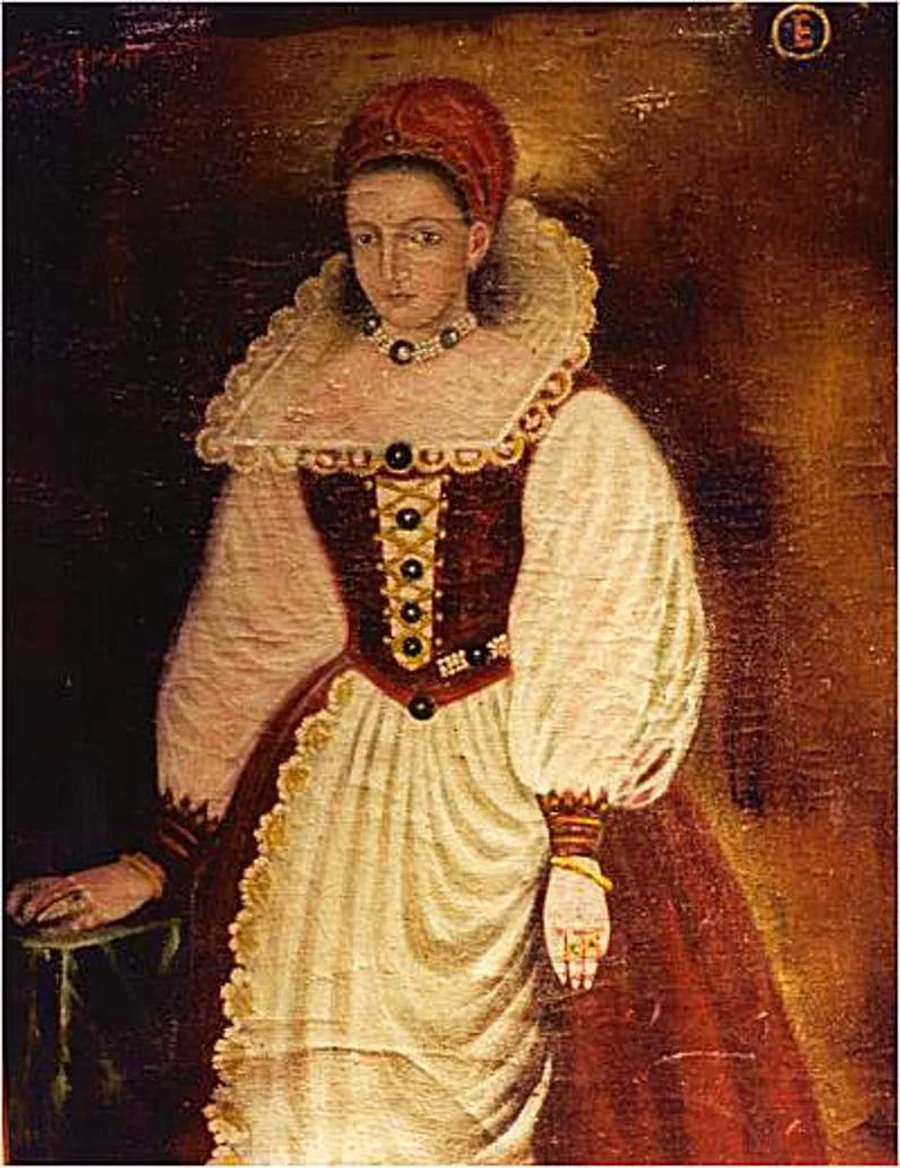
Why Is Elizabeth Báthory in Monster: The Lizzie Borden Story? The Connection Explained
Vicky Krieps plays both Bridget Sullivan and Elizabeth Báthory in Netflix's Monster: The Lizzie Borden Story. Here's who Báthory really was, what's legend versus documented history, and why there's no actual link to Lizzie Borden.
Did Aileen Wuornos Really Know About Lizzie Borden? Monster's Connection Explained
Netflix's Monster: The Lizzie Borden Story connects Lizzie Borden to Aileen Wuornos nearly a century later. Netflix's own material says there's no evidence the real Wuornos was fixated on the Borden case — here's what is true.
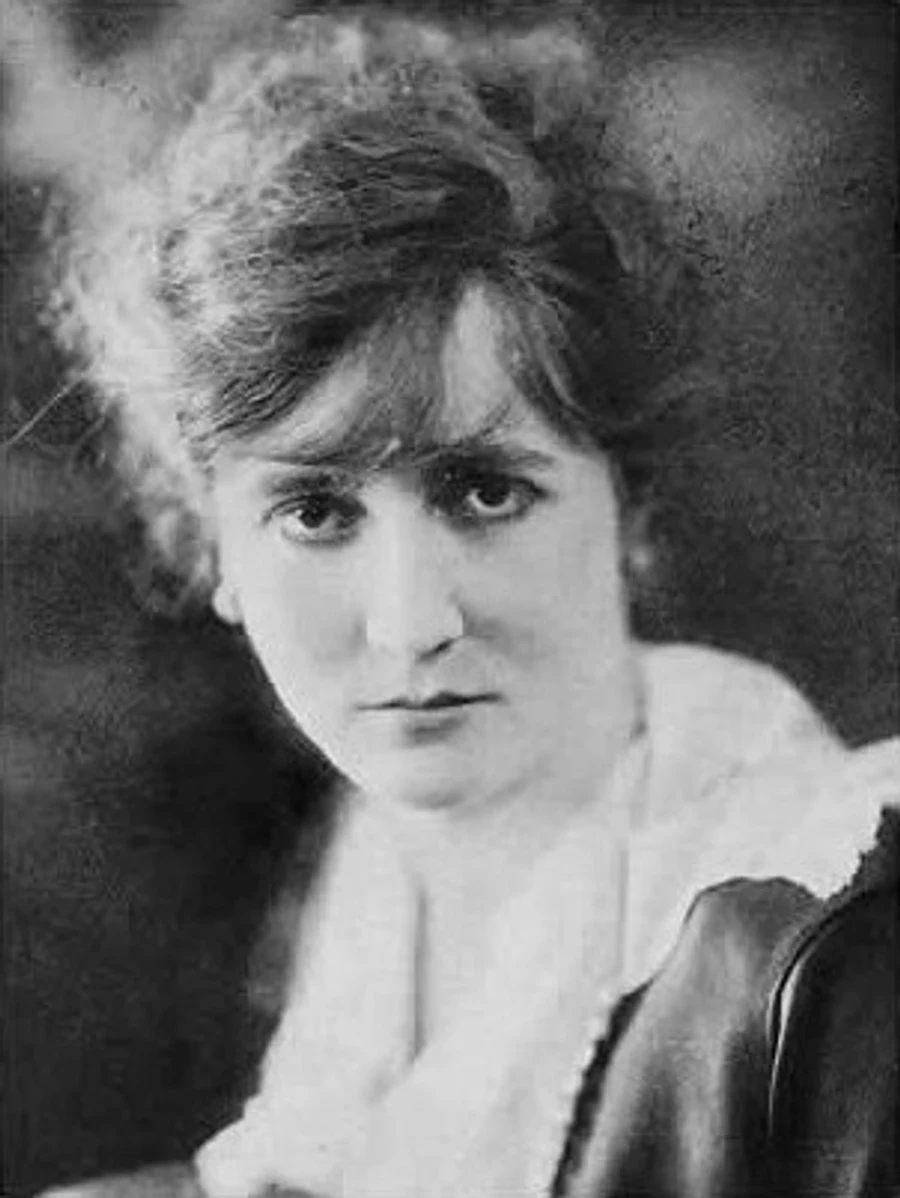
Lizzie Borden and Nance O'Neil — What Was Their Real Relationship?
Netflix's Monster: The Lizzie Borden Story has actress Nance O'Neil coaching Lizzie through her murder trial. In reality, they didn't meet until 1904 — over a decade later. Here's the real timeline.
About the author
Kenza Benouna
Movies, TV & Horror Writer
Kenza Benouna writes about movies and television, with a substantial archive in horror. Her Red Reactions work includes reviews, supernatural and franchise lore, story explainers and analysis of character, atmosphere and adaptation.
Coverage: Horror · Movies · TV · Reviews · Lore & Features
More from Kenza Benouna