feature · tv
Monster: The Lizzie Borden Story — True Story vs. Netflix: What Really Happened?
Netflix's Monster: The Lizzie Borden Story dramatizes the 1892 axe murders of Andrew and Abby Borden. Here's what's documented fact, what's disputed, and what Ryan Murphy and Ian Brennan invented for the show.
 By Kenza Benouna5 min read
Spoiler warning: This guide covers major plot and character details from Monster: The Lizzie Borden Story, streaming now on Netflix, and discusses the real 1892 case in detail.
On August 4, 1892, Andrew and Abby Borden were found hacked to death in their Fall River, Massachusetts home. Their daughter Lizzie was tried and acquitted the following year — and the case has never been officially solved. Ryan Murphy and Ian Brennan’s Monster anthology, which previously covered Jeffrey Dahmer, the Menendez brothers and Ed Gein, now turns to Lizzie (Ella Beatty) as its first female subject. Here’s a direct comparison between what the show depicts and what’s actually documented, disputed or invented outright.
Did Lizzie Borden actually kill her parents?
UNKNOWN. She was formally charged, tried, and found not guilty by a jury in June 1893. Acquittal is a legal outcome — it means the prosecution didn’t prove guilt beyond a reasonable doubt, not a declaration of innocence. Most physical evidence pointed toward Lizzie (a burned dress, an earlier attempt to buy poison, no sign of forced entry), but no murder weapon was conclusively identified and much of the strongest testimony was excluded at trial. The case remains formally unsolved, and Netflix’s own marketing describes the killings as “unsolved.” Never treat her guilt as a settled fact — historians remain divided, and this piece won’t settle it either. For the full timeline, see our Lizzie Borden murders explainer.
What Netflix invented: the Lizzie/Bridget relationship
NETFLIX DRAMATIZATION. The show’s central engine is a romantic and sexual relationship between Lizzie and the Bordens’ housemaid, Bridget “Maggie” Sullivan (Vicky Krieps), who “sweeps Lizzie off her feet” and encourages her toward violence, per Netflix’s own description. There is no historical documentation — no letters, testimony, or contemporary account — of a romantic relationship between the two women. It’s a modern dramatic invention layered onto real people. More on who Bridget actually was in our full profile.
What’s true: the wound counts, and why the rhyme is wrong
DOCUMENTED FACT. The famous schoolyard rhyme — “Lizzie Borden took an axe and gave her mother forty whacks” — inflates the real numbers. The actual 1892 autopsy record documents roughly 18 wounds to Abby and 10 to Andrew, not 40 and 41. Abby was Lizzie’s stepmother, not her mother, which the rhyme also gets wrong. Netflix’s own material states the same corrected figures. The rhyme’s actual origin traces to newspaper filler from 1894 that originally said “20 whacks, and 21” before a 1924 true-crime book popularized the inflated “40/41” version that stuck. Full breakdown: the rhyme vs. the evidence.
What’s true: the trial, evidence, and acquittal
DOCUMENTED FACT, with dramatized specifics. Lizzie’s own inquest testimony — given without a lawyer present, while she was on prescribed morphine — was ruled inadmissible at trial. A pharmacy clerk’s testimony that Lizzie tried to buy deadly prussic acid the day before the murders was also excluded. No bloody weapon or definitively bloodstained clothing tied to Lizzie was ever produced. The defense leaned on Victorian gender expectations, casting Lizzie as too genteel for such violence. The jury acquitted her in June 1893. Netflix depicts the prussic acid attempt as a literal failed poisoning via spoiled oysters — a dramatized invention, not what actually happened (the real evidence was simply an attempted purchase). Full breakdown: why Lizzie was acquitted.
What’s true (but decades later than shown): Nance O’Neil
NETFLIX CHRONOLOGY CHANGE. The show has stage actress Nance O’Neil (Jessica Barden) coaching Lizzie through her murder trial. In reality, Lizzie and O’Neil didn’t meet until 1904 — more than a decade after the 1893 acquittal — when Lizzie approached O’Neil after a Boston performance. Their real friendship, which lasted about two years and reportedly caused Lizzie’s permanent rift with her sister Emma, has fueled later speculation about Lizzie’s sexuality — speculation that is not confirmed by any surviving letters or documents from either woman. More: the real Nance O’Neil relationship.
What’s thematic, not historical: Elizabeth Báthory
NETFLIX DRAMATIZATION — no historical connection. Krieps plays a dual role: Bridget in the main story, and 16th-century Hungarian noblewoman Elizabeth Báthory in fantasy flashbacks that Maggie narrates as bedtime stories. There is no historical link between Báthory and Lizzie Borden whatsoever — it’s a purely thematic pairing about “female rage across history,” per co-showrunner Ian Brennan. Even the infamous “bathing in virgins’ blood” legend attached to Báthory doesn’t appear in any contemporary record; it surfaced in print over a century after her death. Full context: the Báthory connection explained.
What’s confirmed false: Aileen Wuornos’s fixation on Lizzie
NETFLIX DRAMATIZATION, confirmed unfounded by Netflix itself. The show’s final episodes jump nearly a century forward to Aileen Wuornos (Sarah Paulson), the Florida sex worker convicted of killing seven men between 1989 and 1990. Netflix’s own material states plainly: “There’s no evidence that the real Wuornos was fixated on the Borden killings.” One detail is true, though — the real Borden house in Fall River is indeed now a bed and breakfast, which the show uses as the setting for Wuornos’s fictional stay. More: the Wuornos connection explained.
Bertha Manchester: a real murder, a different killer
DOCUMENTED FACT, dramatized differently. Netflix depicts Lizzie and Maggie murdering neighbor Bertha Manchester as a “trial run” before killing the Bordens. In reality, Manchester was murdered after the Borden killings, shortly before Lizzie’s trial began — and a Portuguese immigrant named Jose Correa de Mello was (wrongly, by most modern accounts) convicted of that separate crime. It’s a real unsolved-adjacent case that the show folds into its own fictional timeline.
The bottom line
Monster: The Lizzie Borden Story keeps the true bones of the case — the murders, the acquittal, the real people involved — while inventing the emotional and romantic engine that drives its narrative, compressing timelines (Nance O’Neil, most notably) and drawing entirely fictional thematic lines to Elizabeth Báthory and Aileen Wuornos. None of that changes the one fact still unresolved 130-plus years later: nobody knows, with certainty, who killed Andrew and Abby Borden.
Sources
- Netflix Tudum — What's the True Story That Inspired Monster: The Lizzie Borden Story? — September 17, 2026
- Netflix Tudum — Meet the Murderous Cast of Monster: The Lizzie Borden Story — September 17, 2026
- Encyclopaedia Britannica — Lizzie Borden
- Encyclopaedia Britannica — Was Lizzie Borden Guilty?
- Smithsonian Magazine — How Lizzie Borden Got Away With Murder
- Famous Trials (UMKC School of Law) — Lizzie Borden Autopsy Reports
Related coverage
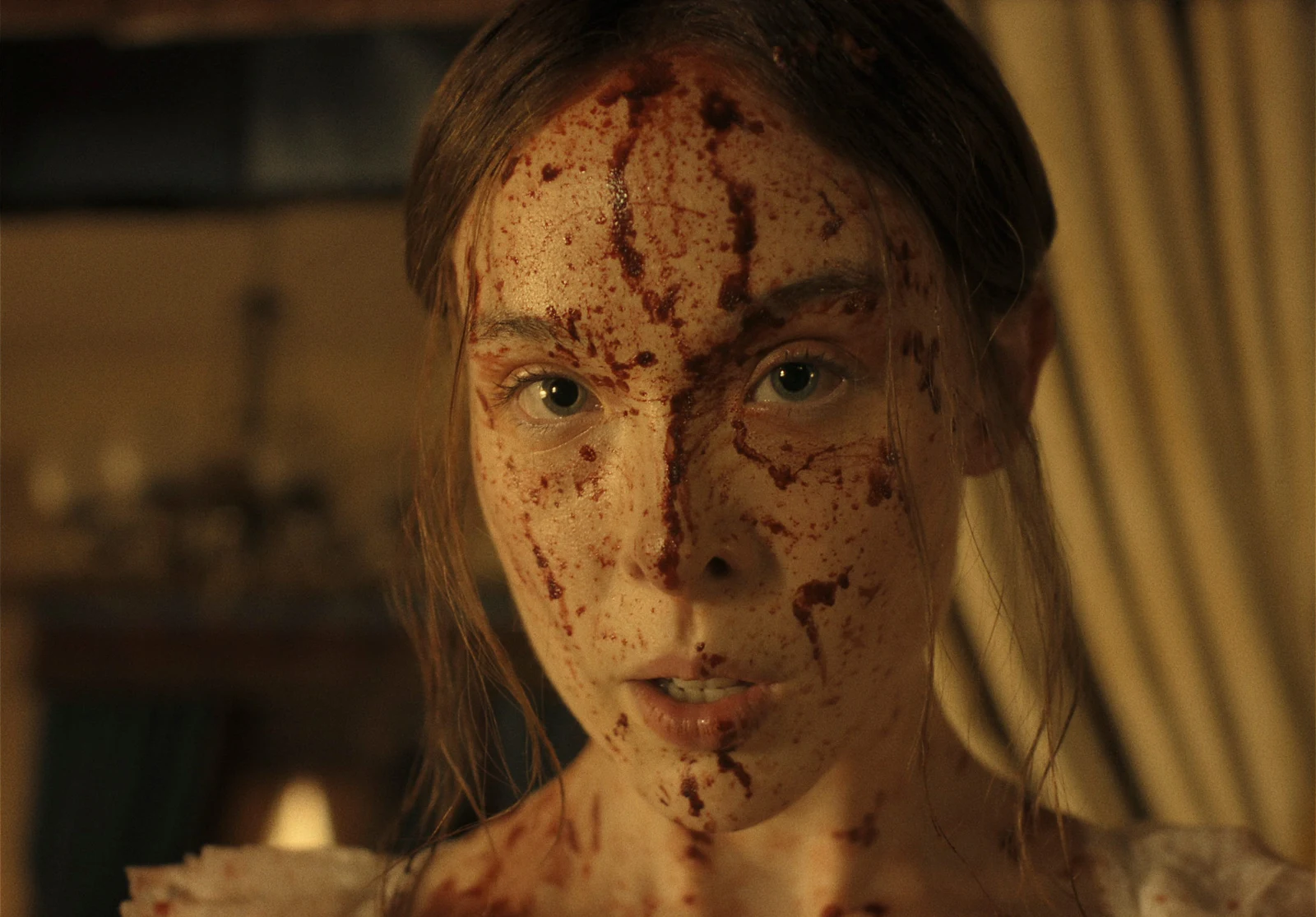
Monster: The Lizzie Borden Story Ending Explained — Lizzie, Maggie and Aileen Wuornos
How does Monster: The Lizzie Borden Story end? Here's what happens to Lizzie and Maggie, how the season connects to Aileen Wuornos, and what Ella Beatty and co-showrunner Ian Brennan have said about the finale.
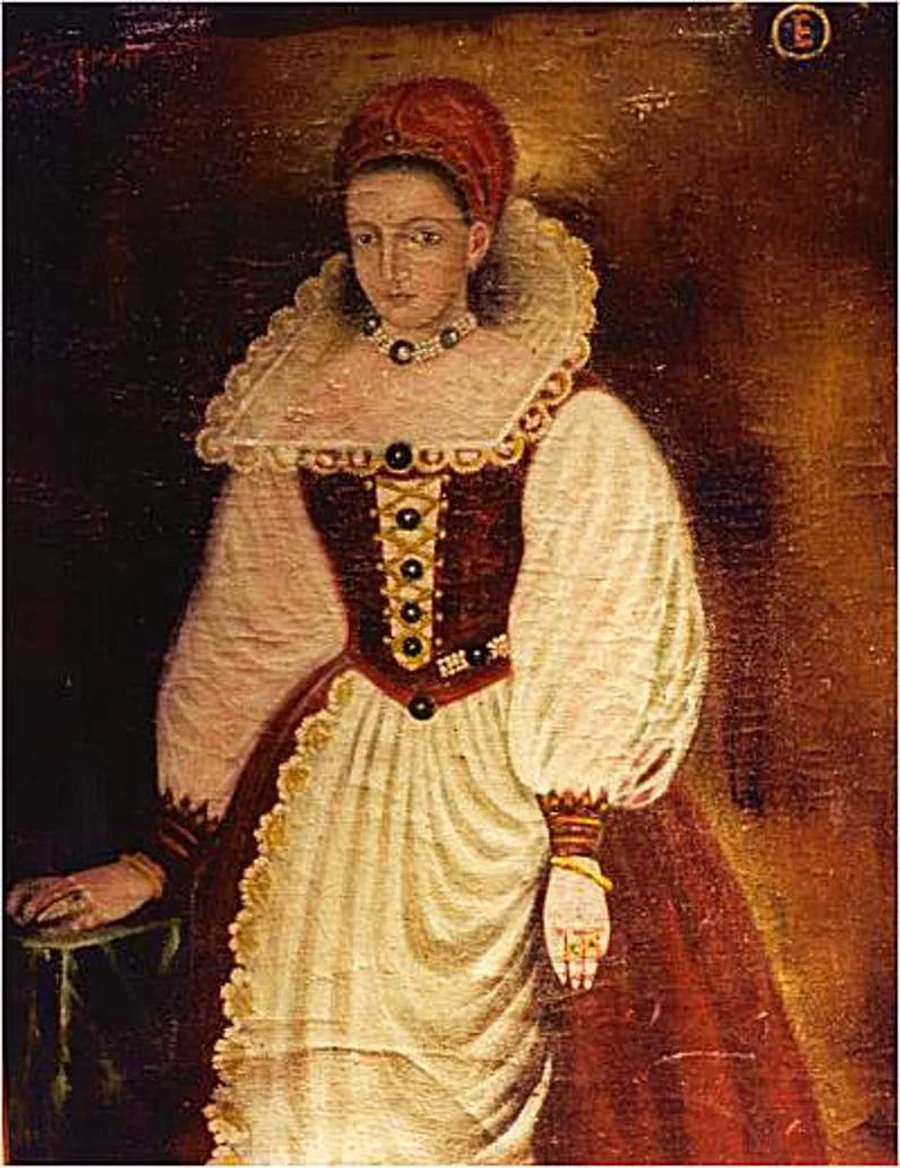
Why Is Elizabeth Báthory in Monster: The Lizzie Borden Story? The Connection Explained
Vicky Krieps plays both Bridget Sullivan and Elizabeth Báthory in Netflix's Monster: The Lizzie Borden Story. Here's who Báthory really was, what's legend versus documented history, and why there's no actual link to Lizzie Borden.
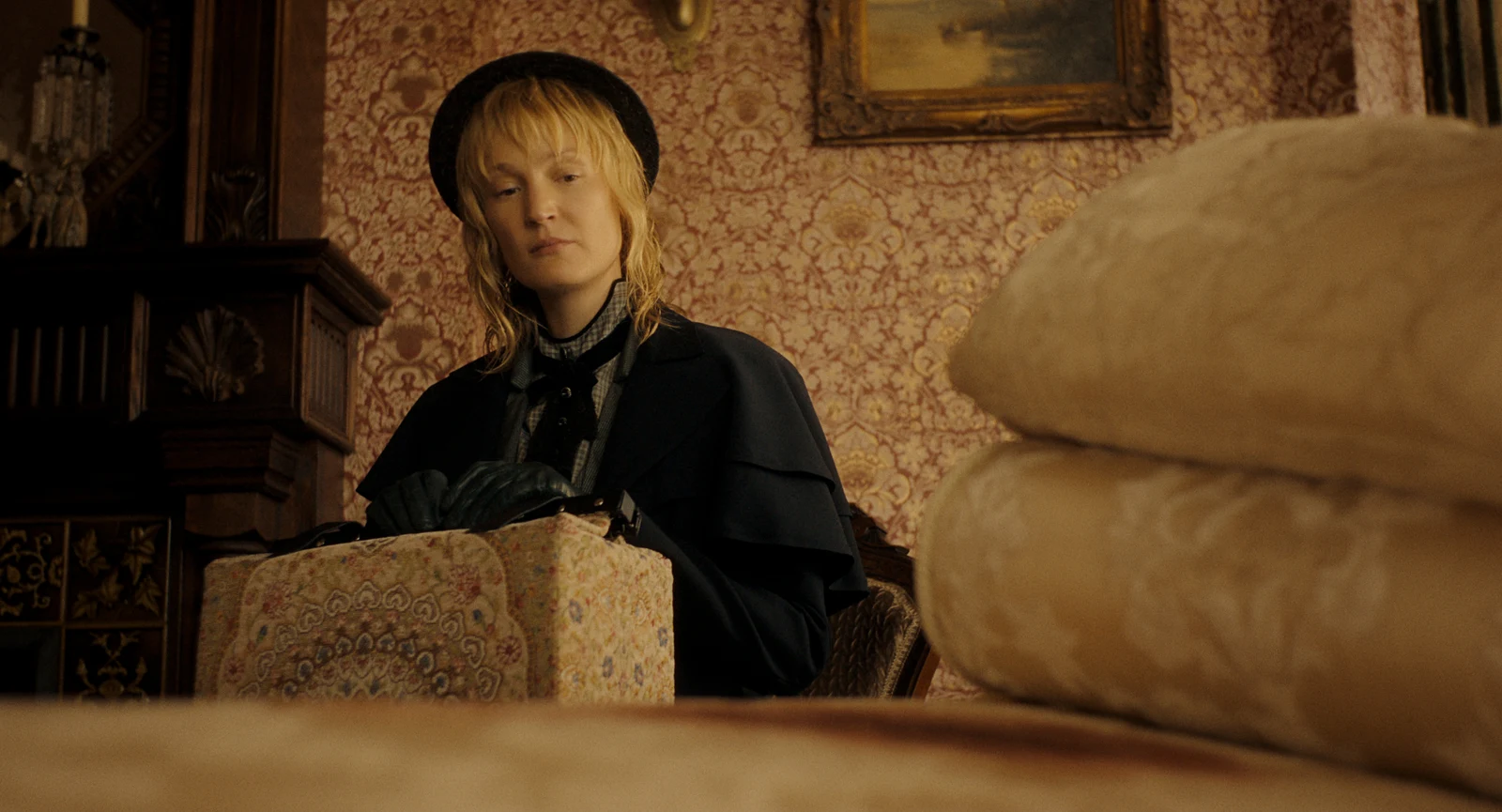
Who Was Bridget Sullivan? The Real 'Maggie' Behind Monster: The Lizzie Borden Story
Vicky Krieps plays Bridget 'Maggie' Sullivan in Netflix's Monster: The Lizzie Borden Story. Here's who the real Bridget Sullivan was, why she was called Maggie, and what's actually documented about her life.

Did Lizzie Borden Really Give Her Parents 40 and 41 Whacks? The Rhyme vs. the Evidence
The famous 'Lizzie Borden took an axe' rhyme claims 40 and 41 blows. The real 1892 autopsy record says otherwise — and the rhyme itself started out with different numbers entirely.
About the author
Kenza Benouna
Movies, TV & Horror Writer
Kenza Benouna writes about movies and television, with a substantial archive in horror. Her Red Reactions work includes reviews, supernatural and franchise lore, story explainers and analysis of character, atmosphere and adaptation.
Coverage: Horror · Movies · TV · Reviews · Lore & Features
More from Kenza Benouna