feature · tv
Monster: The Lizzie Borden Story Ending Explained — Lizzie, Maggie and Aileen Wuornos
How does Monster: The Lizzie Borden Story end? Here's what happens to Lizzie and Maggie, how the season connects to Aileen Wuornos, and what Ella Beatty and co-showrunner Ian Brennan have said about the finale.
 By Kenza Benouna3 min read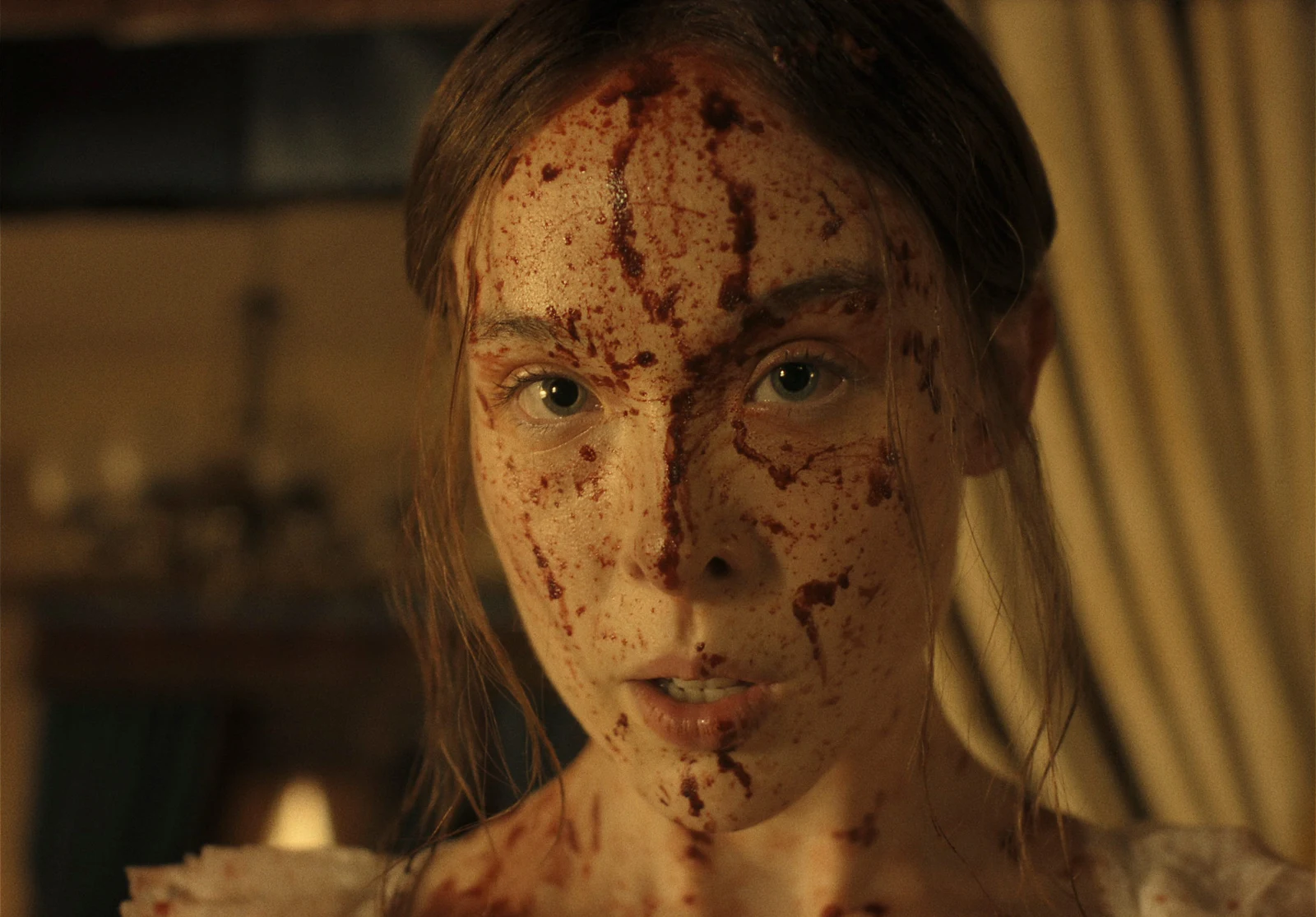
MAJOR SPOILER WARNING: This article details the plot and ending of Monster: The Lizzie Borden Story, streaming now on Netflix. This is not a review, and it makes no claims about the real Lizzie Borden’s actual guilt — for that, see our true-story-vs-Netflix breakdown.
Monster: The Lizzie Borden Story tells its version of the 1892 murders as the culmination of a stifling, abusive Victorian upbringing — and closes its season by drawing a direct line from Lizzie’s story to a killer nearly a century later. Here’s how the show’s fictional narrative actually plays out, according to Netflix’s own companion material and cast/creator interviews.
Why the show has Lizzie kill her parents
As the series depicts it, Lizzie’s alleged crime is framed as the result of a life spent under the control of her father Andrew (Charlie Hunnam) and stepmother Abby (Rebecca Hall). The arrival of housemaid Bridget “Maggie” Sullivan (Vicky Krieps) changes everything for Lizzie in the show’s telling — Maggie encourages Lizzie toward a darker, more liberated version of herself, partly through grotesque bedtime stories about Elizabeth Báthory (also played by Krieps in flashback). Co-showrunner Ian Brennan has described the household as “smothering to the extreme,” built around the corseted, constrained world Lizzie chafes against throughout the season.
The dove killing and the “trial run” murder
In the show’s fictional narrative, Abby — herself trapped in an unhappy marriage — kills Lizzie’s flock of pet doves in a fit of temper. That act pushes Lizzie toward retaliation. Lizzie and Maggie first attempt to kill Andrew and Abby by serving them spoiled oysters, based loosely on the real historical detail that Lizzie once tried to purchase poison — but in the show, this attempt fails, leaving the couple violently ill rather than dead. The two women then get a “trial run” for more direct violence via Bertha Manchester, a neighbor who mistreats Maggie during a work assignment there. (In reality, Manchester’s real, unsolved murder happened after the Borden killings, and a different man was wrongly convicted of it — the show folds it into its own invented timeline.)
The murders themselves
Having failed with poison, Lizzie turns to the blunter method history remembers: an axe. The show renders Andrew and Abby’s deaths as the culmination of the season’s build toward Lizzie’s “explosion of violence,” in the words of star Ella Beatty — visually intense and framed as inevitable given everything the show has built around her circumstances.
How the season closes: jumping to Aileen Wuornos
The final episode shifts nearly a century forward to Aileen Wuornos (Sarah Paulson), appearing at the beginning and end of the finale. The show stages Wuornos staying at what is by then the Borden house, now a bed and breakfast, with her partner Shelby reading to her — an echo of Maggie reading to young Lizzie. As Beatty puts it, the season uses Wuornos “to explore … why women kill,” positioning her as a kind of spiritual successor to Lizzie within the show’s fictional framework. It’s worth repeating: Netflix’s own material confirms there’s no historical evidence the real Wuornos had any actual connection to or fixation on the Borden case. Read the full breakdown of that connection here.
What the ending is actually arguing
Per creators Ryan Murphy and Ian Brennan, the season’s throughline is less about definitively answering “did Lizzie do it” and more about examining, as Brennan puts it, the environment that could produce that kind of violence in a woman constrained the way Lizzie was. The real historical Lizzie Borden was acquitted and the case remains unsolved — the show’s ending is a dramatized, interpretive answer to a question history never actually settled. For everything the show invents versus what’s actually documented about the real case, see our complete true-story guide.
Sources
Related coverage
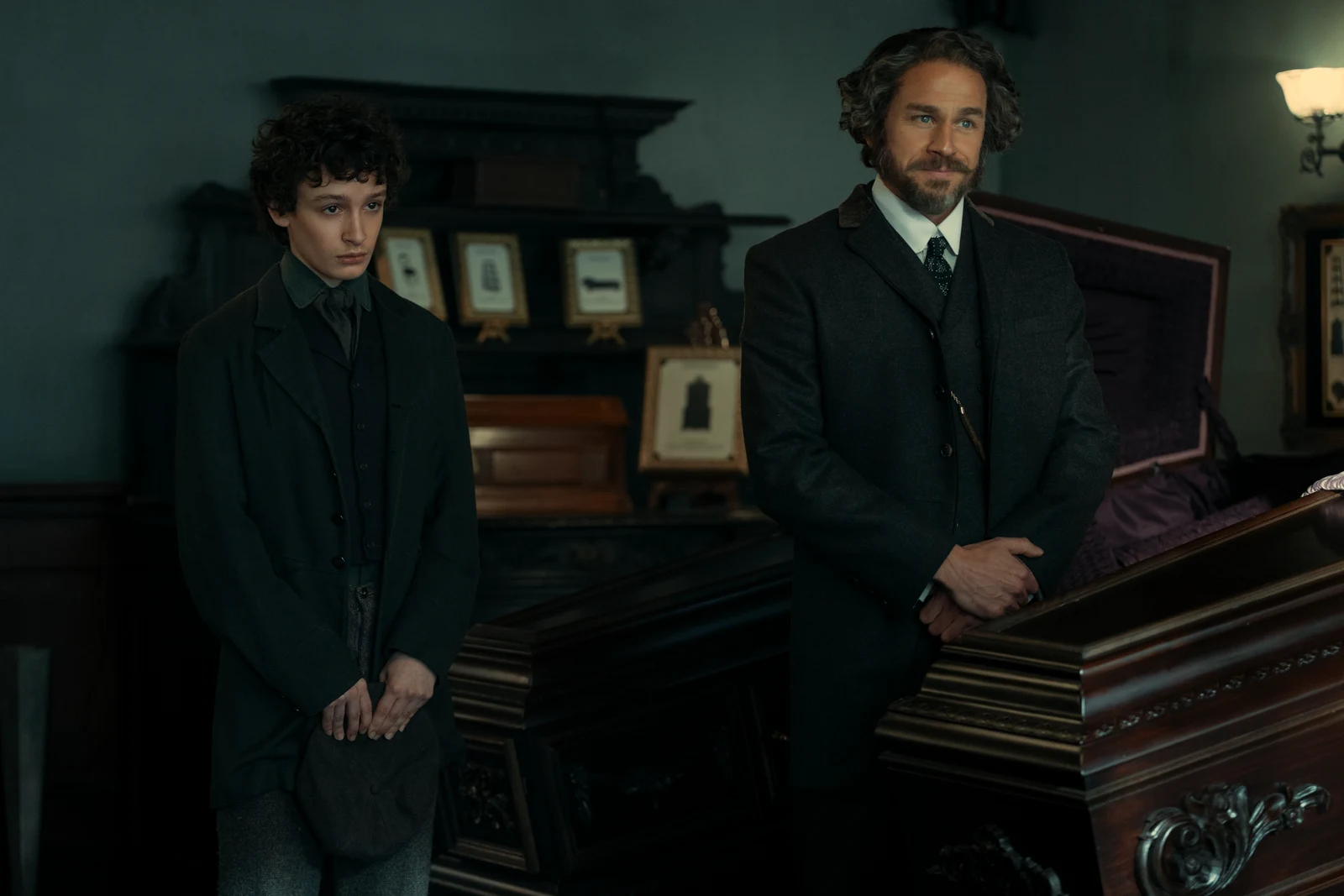
Monster: The Lizzie Borden Story — True Story vs. Netflix: What Really Happened?
Netflix's Monster: The Lizzie Borden Story dramatizes the 1892 axe murders of Andrew and Abby Borden. Here's what's documented fact, what's disputed, and what Ryan Murphy and Ian Brennan invented for the show.
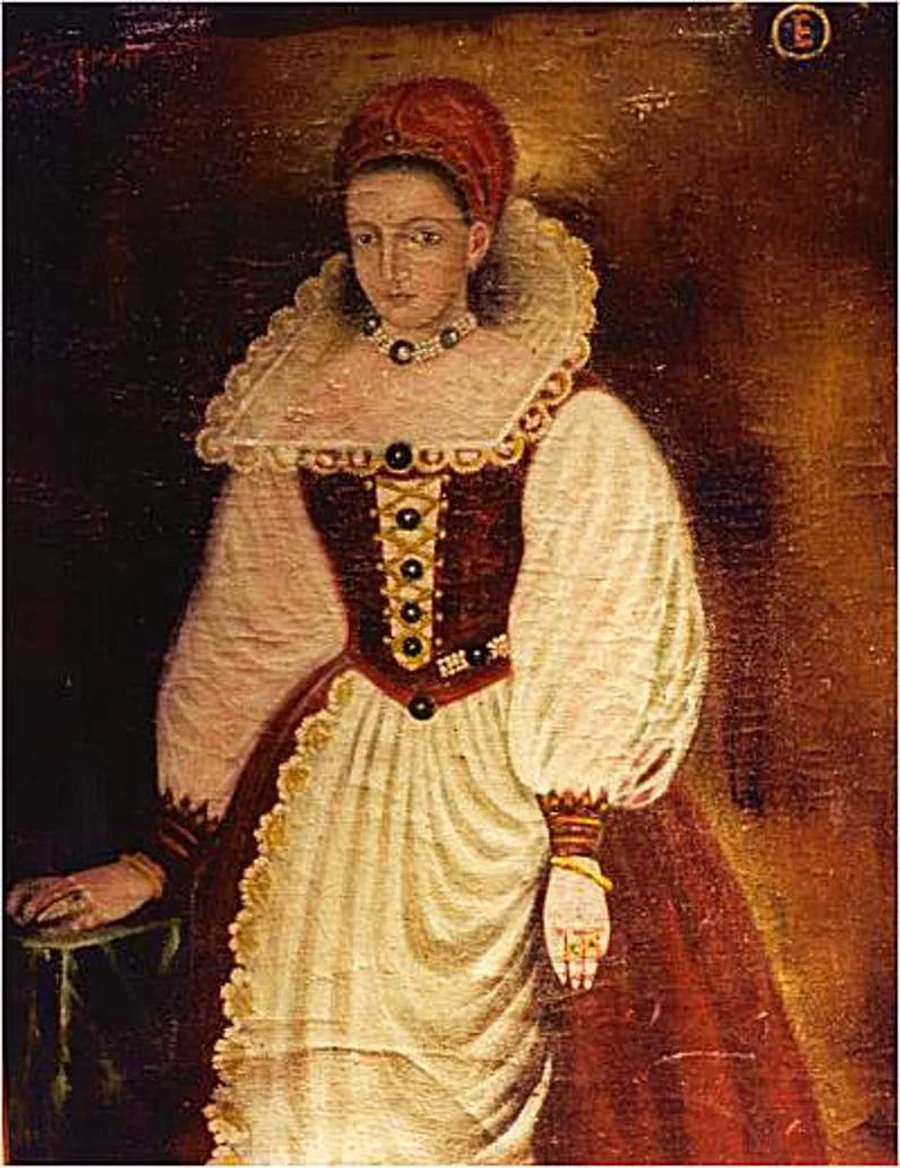
Why Is Elizabeth Báthory in Monster: The Lizzie Borden Story? The Connection Explained
Vicky Krieps plays both Bridget Sullivan and Elizabeth Báthory in Netflix's Monster: The Lizzie Borden Story. Here's who Báthory really was, what's legend versus documented history, and why there's no actual link to Lizzie Borden.
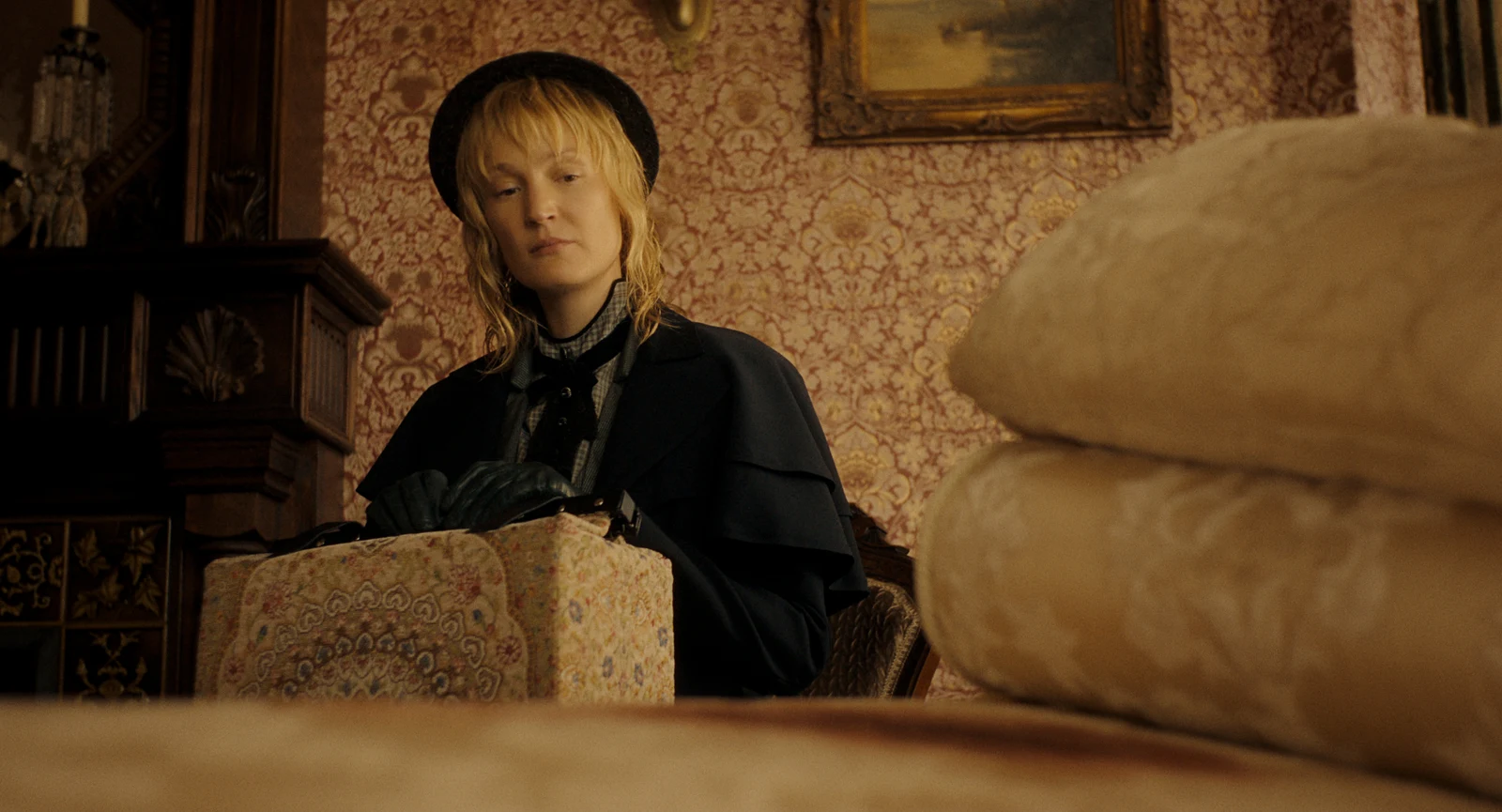
Who Was Bridget Sullivan? The Real 'Maggie' Behind Monster: The Lizzie Borden Story
Vicky Krieps plays Bridget 'Maggie' Sullivan in Netflix's Monster: The Lizzie Borden Story. Here's who the real Bridget Sullivan was, why she was called Maggie, and what's actually documented about her life.

Did Lizzie Borden Really Give Her Parents 40 and 41 Whacks? The Rhyme vs. the Evidence
The famous 'Lizzie Borden took an axe' rhyme claims 40 and 41 blows. The real 1892 autopsy record says otherwise — and the rhyme itself started out with different numbers entirely.
About the author
Kenza Benouna
Movies, TV & Horror Writer
Kenza Benouna writes about movies and television, with a substantial archive in horror. Her Red Reactions work includes reviews, supernatural and franchise lore, story explainers and analysis of character, atmosphere and adaptation.
Coverage: Horror · Movies · TV · Reviews · Lore & Features
More from Kenza Benouna