feature · tv
The Lizzie Borden Murders Explained — What Happened on August 4, 1892?
A chronology-first look at the real 1892 axe murders of Andrew and Abby Borden in Fall River, Massachusetts — the crime scene, the evidence, and what remains unknown more than 130 years later.
 By Kenza Benouna4 min read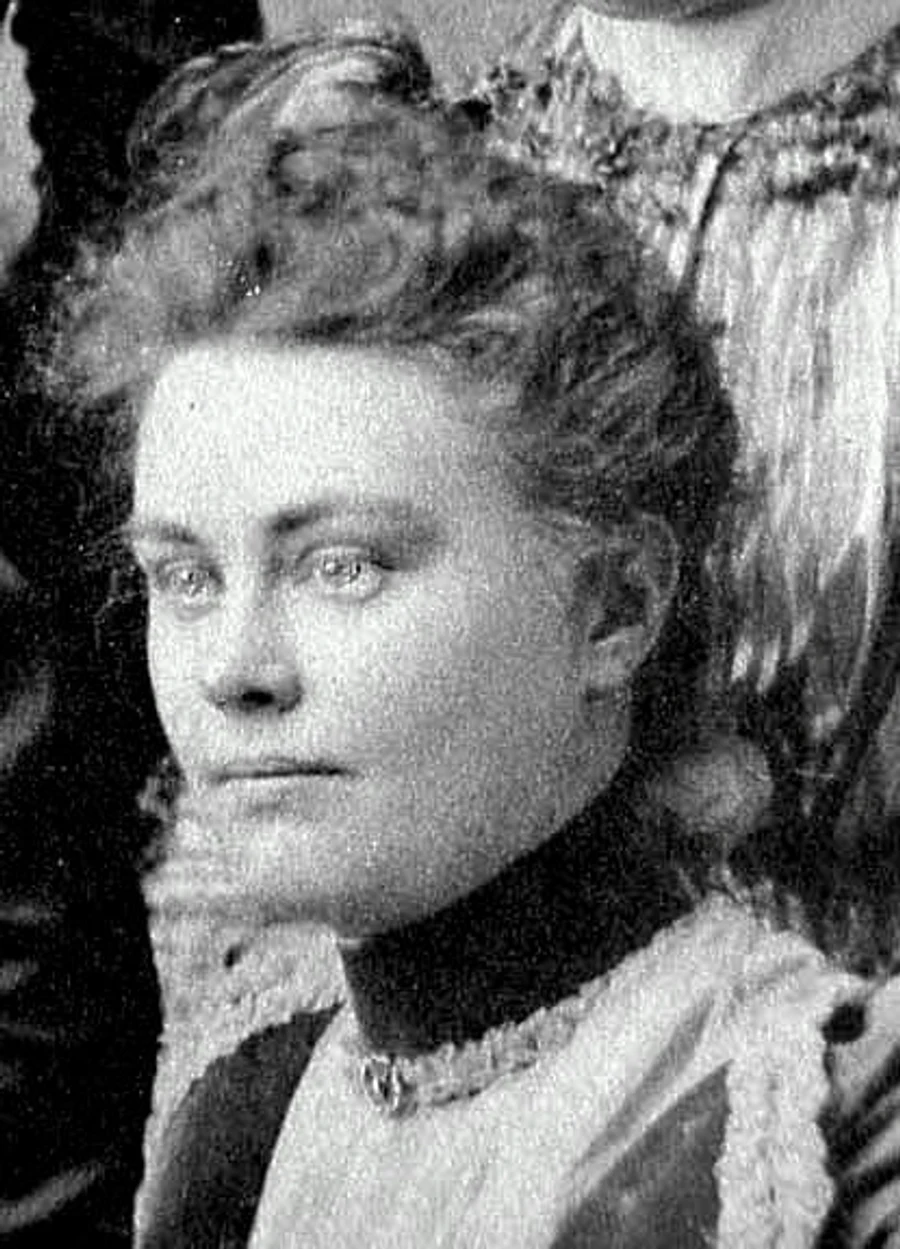
On the morning of August 4, 1892, Andrew and Abby Borden were killed inside their home at 92 Second Street in Fall River, Massachusetts. Their deaths became one of the most famous unsolved cases in American history. Here’s what’s actually documented about that day, separated from a century of embellishment.
Who was in the house that morning
Andrew Borden, 70, was a wealthy businessman with real estate and manufacturing interests. His second wife, Abby Durfee Gray Borden, 64, was Lizzie’s stepmother, not her birth mother — Andrew’s first wife, Lizzie’s mother, had died decades earlier. Living in the house that day: Andrew, Abby, Lizzie (then 32), and the family’s live-in maid, Bridget Sullivan. Lizzie’s uncle, John Morse (her late mother’s brother), was also staying with the family, having arrived the day before.
The timeline, as best it’s known
Abby was killed first, upstairs in a guest room, struck with a hatchet-like weapon. Andrew was killed roughly 90 minutes later, downstairs on the sitting-room sofa, after returning home from running errands in town. Bridget Sullivan testified she was washing windows around the time Abby was killed, then went up to her third-floor room to rest before Andrew’s murder. John Morse had left the house that morning to visit other relatives nearby — an alibi generally treated by historians as solid. Lizzie discovered her father’s body and raised the alarm; Abby’s body was found upstairs shortly after.
The evidence — and its limits
Police recovered several hatchets and axes from the Borden cellar. A Harvard chemistry professor, Edward S. Wood, tested them and found no blood on any of them — the actual murder weapon was never conclusively identified. Two pieces of evidence became central to the case against Lizzie:
- The burned dress. Days after the murders, Lizzie’s friend Alice Russell witnessed her burning a dress in the kitchen stove, which Lizzie said was stained with paint. Russell’s later testimony about it was a key factor in the grand jury’s decision to indict.
- The poison attempt. The day before the murders, a pharmacy clerk named Eli Bence alleged Lizzie tried to buy prussic acid (a fast-acting poison) without a prescription and was refused. This became central to the state’s theory of premeditation — though the testimony was ultimately excluded at trial. (Netflix’s dramatization turns this into a literal poisoning attempt via spoiled oysters; that’s invented — the real evidence was only an attempted purchase.)
No forced entry was found, which is part of why suspicion fell on someone already inside the household.
What remains genuinely uncertain
The exact murder weapon was never identified. The roughly 90-minute gap between the two killings, and exactly where everyone was during it, is reconstructed from testimony rather than hard physical evidence. And motive — usually cited as tension over money, property, and a strained stepmother relationship — is circumstantial, not established fact. For how the case actually went to trial and why Lizzie was acquitted, see our full breakdown of the trial and evidence.
The real wound counts, not the rhyme
The famous playground rhyme claims Lizzie gave her parents “forty whacks” and “forty-one.” The actual 1892 autopsy record documents roughly 18 wounds to Abby and 10 to Andrew — both serious overstatements in the rhyme, on top of misnaming Abby as Lizzie’s “mother” rather than her stepmother. For the rhyme’s real origin and how it got so distorted, see our full explainer.
Was Lizzie the only suspect?
No — though none of the alternatives gained serious traction. John Morse was briefly suspected due to his presence in the house, but his alibi held up. A later theory (popularized decades afterward in a single 1991 book) proposed an illegitimate son of Andrew’s as the real killer, with no contemporary evidence to support it. Lizzie’s older sister, Emma, was also occasionally named, but she had a witness-corroborated alibi — she was roughly 15 miles away in Fairhaven, Massachusetts, at the time. Bridget Sullivan, the maid who was in the house, has never had a credible motive attached to her. For more on Bridget specifically, see who she really was.
Why the case still isn’t “solved”
Lizzie Borden was tried for the murders and acquitted by a jury in June 1893. Legally, that’s the end of the matter — but acquittal isn’t the same as innocence, and no one else was ever successfully prosecuted. More than 130 years later, the Borden murders remain one of the most-debated unsolved cases in American criminal history. Netflix’s Monster: The Lizzie Borden Story dramatizes this same chronology with its own fictional inventions layered on top — see our full true-story-vs-Netflix breakdown for the complete comparison.
Sources
Related coverage

Did Lizzie Borden Really Give Her Parents 40 and 41 Whacks? The Rhyme vs. the Evidence
The famous 'Lizzie Borden took an axe' rhyme claims 40 and 41 blows. The real 1892 autopsy record says otherwise — and the rhyme itself started out with different numbers entirely.
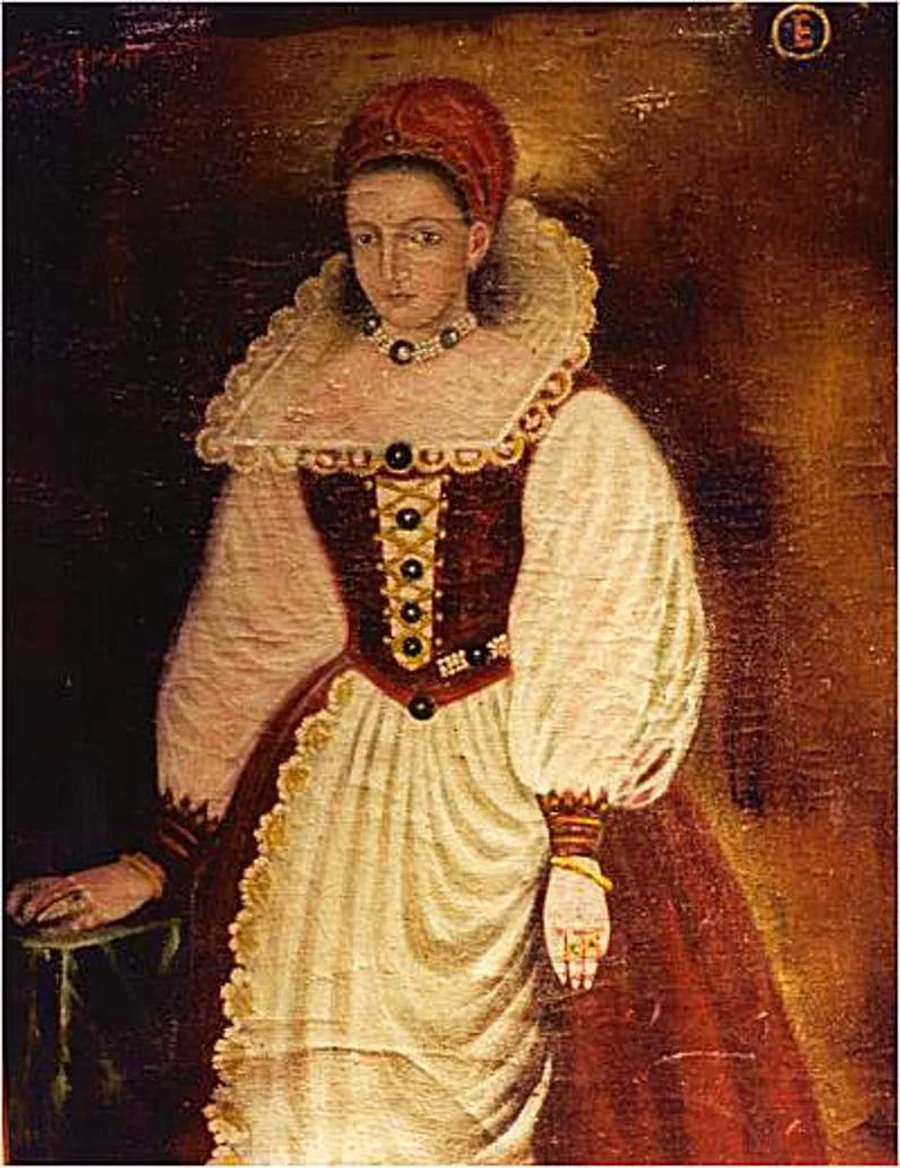
Why Is Elizabeth Báthory in Monster: The Lizzie Borden Story? The Connection Explained
Vicky Krieps plays both Bridget Sullivan and Elizabeth Báthory in Netflix's Monster: The Lizzie Borden Story. Here's who Báthory really was, what's legend versus documented history, and why there's no actual link to Lizzie Borden.
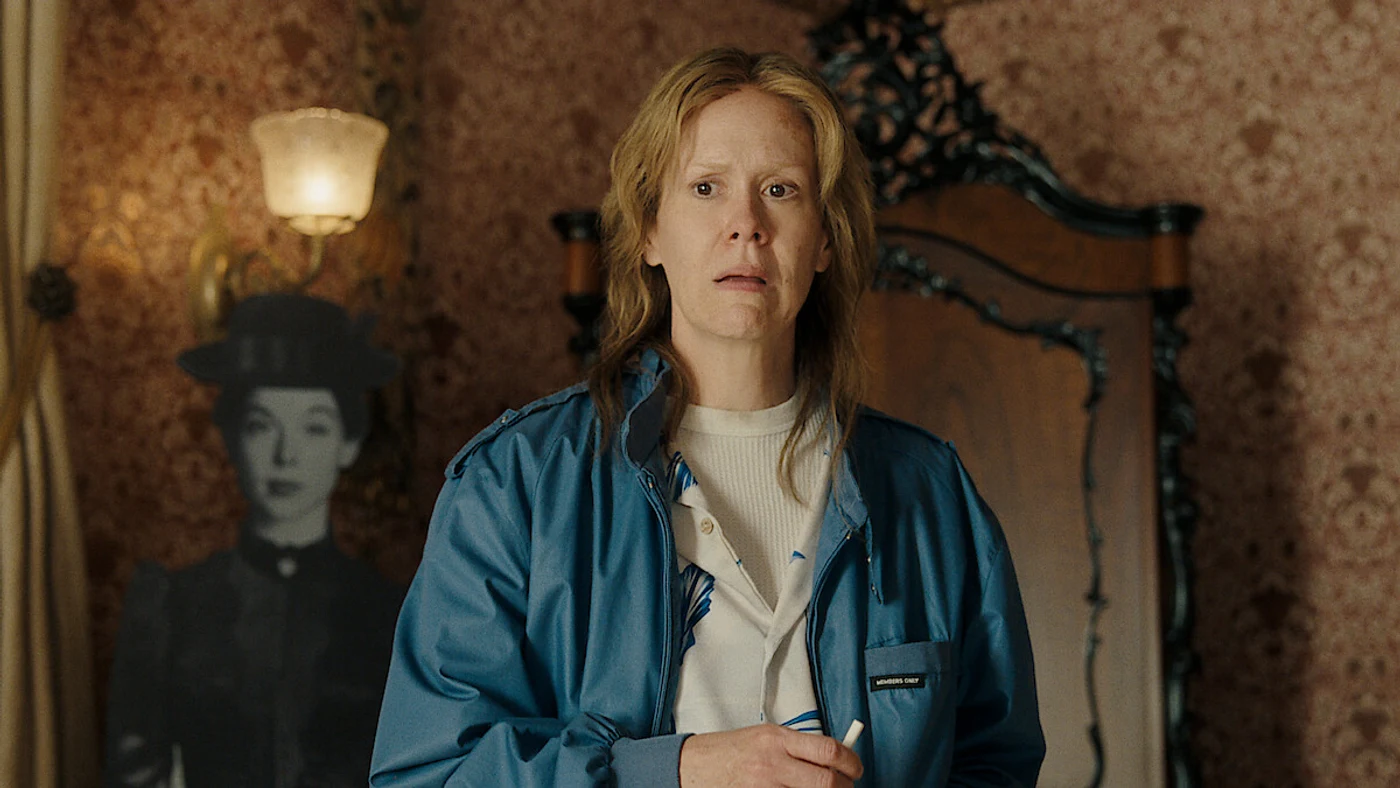
Did Aileen Wuornos Really Know About Lizzie Borden? Monster's Connection Explained
Netflix's Monster: The Lizzie Borden Story connects Lizzie Borden to Aileen Wuornos nearly a century later. Netflix's own material says there's no evidence the real Wuornos was fixated on the Borden case — here's what is true.
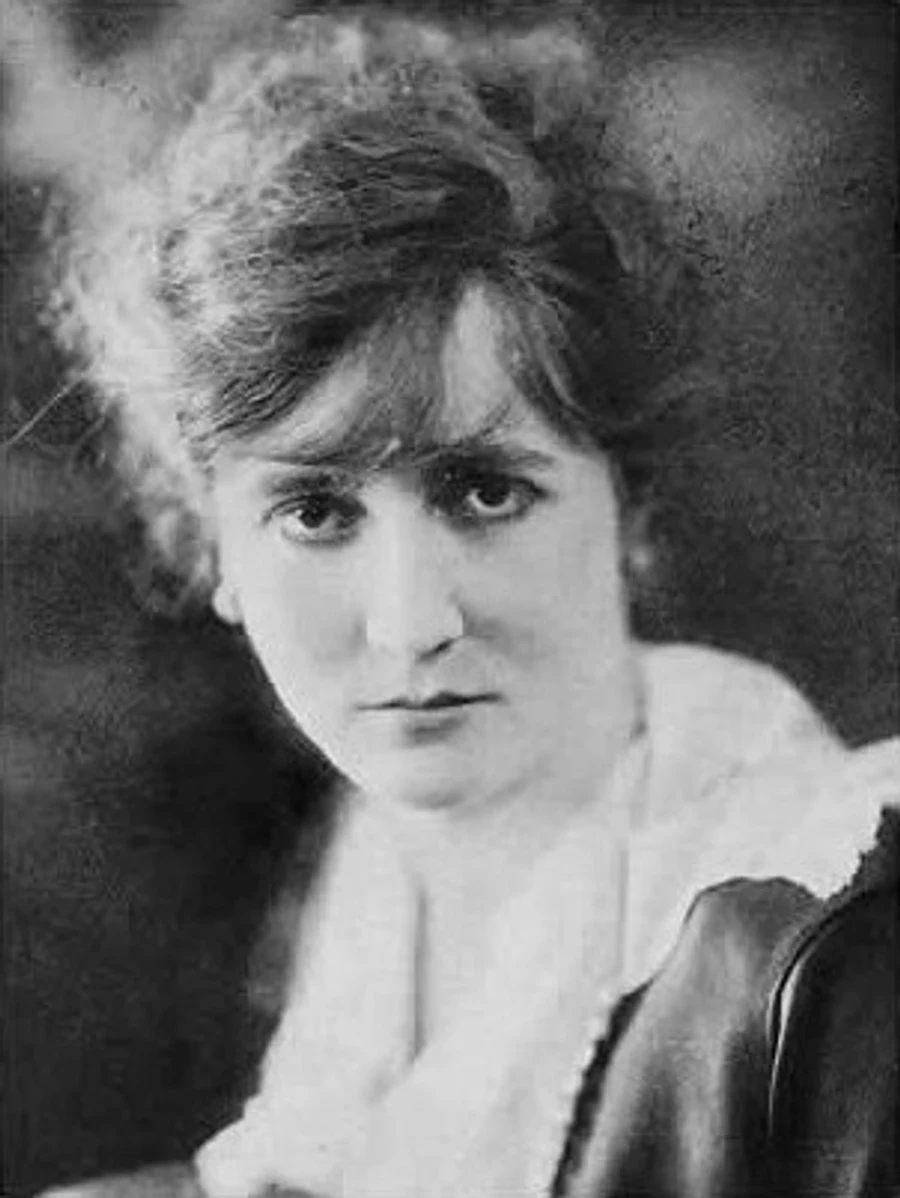
Lizzie Borden and Nance O'Neil — What Was Their Real Relationship?
Netflix's Monster: The Lizzie Borden Story has actress Nance O'Neil coaching Lizzie through her murder trial. In reality, they didn't meet until 1904 — over a decade later. Here's the real timeline.
About the author
Kenza Benouna
Movies, TV & Horror Writer
Kenza Benouna writes about movies and television, with a substantial archive in horror. Her Red Reactions work includes reviews, supernatural and franchise lore, story explainers and analysis of character, atmosphere and adaptation.
Coverage: Horror · Movies · TV · Reviews · Lore & Features
More from Kenza Benouna