feature · comics
Doctor Doom Comics Reading Order: 6 Essential Stories Before Avengers: Doomsday
Where to start reading Doctor Doom comics: six official Marvel stories from Fantastic Four #5 and Books of Doom to Secret Wars and One World Under Doom.
 By Aram Anwar7 min read
The simplest Doctor Doom comics reading order is Fantastic Four #5, Fantastic Four Annual #2, Books of Doom #1–6, Triumph and Torment, Secret Wars (2015) #1–9, and One World Under Doom (2025) #1–9. Those six stops show Doom’s debut, origin, obsession, magical ambitions, godlike power and modern political reach without demanding decades of Marvel continuity.
This is an editorial beginner’s route, not a strict in-universe chronology. Each selection serves a different purpose. If you only have time for one book, read Books of Doom. If you already know Victor von Doom and want the biggest crossover, begin with 2015’s Secret Wars. The comic arcs provide context for Marvel’s Doctor Doom; they are not a confirmed plot outline for the unreleased Avengers: Doomsday.
The six-story reading order at a glance
| Start | Comic and issues | Why read it? |
|---|---|---|
| 1 | Fantastic Four (1961) #5 | Doom’s first appearance and original rivalry |
| 2 | Fantastic Four Annual (1963) #2 | A classic early account of his origin |
| 3 | Books of Doom (2005–06) #1–6 | The most accessible modern origin retelling |
| 4 | Doctor Strange and Doctor Doom: Triumph and Torment (1989) | Why magic and his mother’s fate matter |
| 5 | Secret Wars (2015) #1–9 | God Emperor Doom and Battleworld |
| 6 | One World Under Doom (2025) #1–9 | Doom using authority on a global scale |
The first two are historical foundations; reading Books of Doom first is also perfectly reasonable. The later stories are not sequels to one another and may refer to other Marvel events. This route is arranged for understanding the character, not for clearing every continuity prerequisite.
1. Fantastic Four #5 (1962): Meet the original Doom
The place to meet the character as Stan Lee and Jack Kirby introduced him is Fantastic Four #5. Doom captures Sue Storm and forces her teammates into an expedition to retrieve Blackbeard’s treasure. You can already see the mixture of intellectual menace, manipulation and theatrical grandeur that defines him. Marvel’s own early-villains guide identifies this as his debut.
Read this for: the original villain, not a complete modern biography. Early comic-book dialogue and pacing are different from later interpretations; it is short enough to make a useful first stop.
2. Fantastic Four Annual #2 (1964): The early origin
This issue gives readers a formative account of Doom’s background and obsession with Reed Richards. Marvel’s issue record credits Lee and Kirby and explicitly identifies Doom’s backstory as part of the double-sized comic.
Read it to understand how early Marvel explained Victor’s self-image. Then move to the later retelling to see his origin told at greater length. For the psychological side of the rivalry, our Doom versus Reed Richards explainer goes deeper.
3. Books of Doom #1–6 (2005–06): The best single starting point
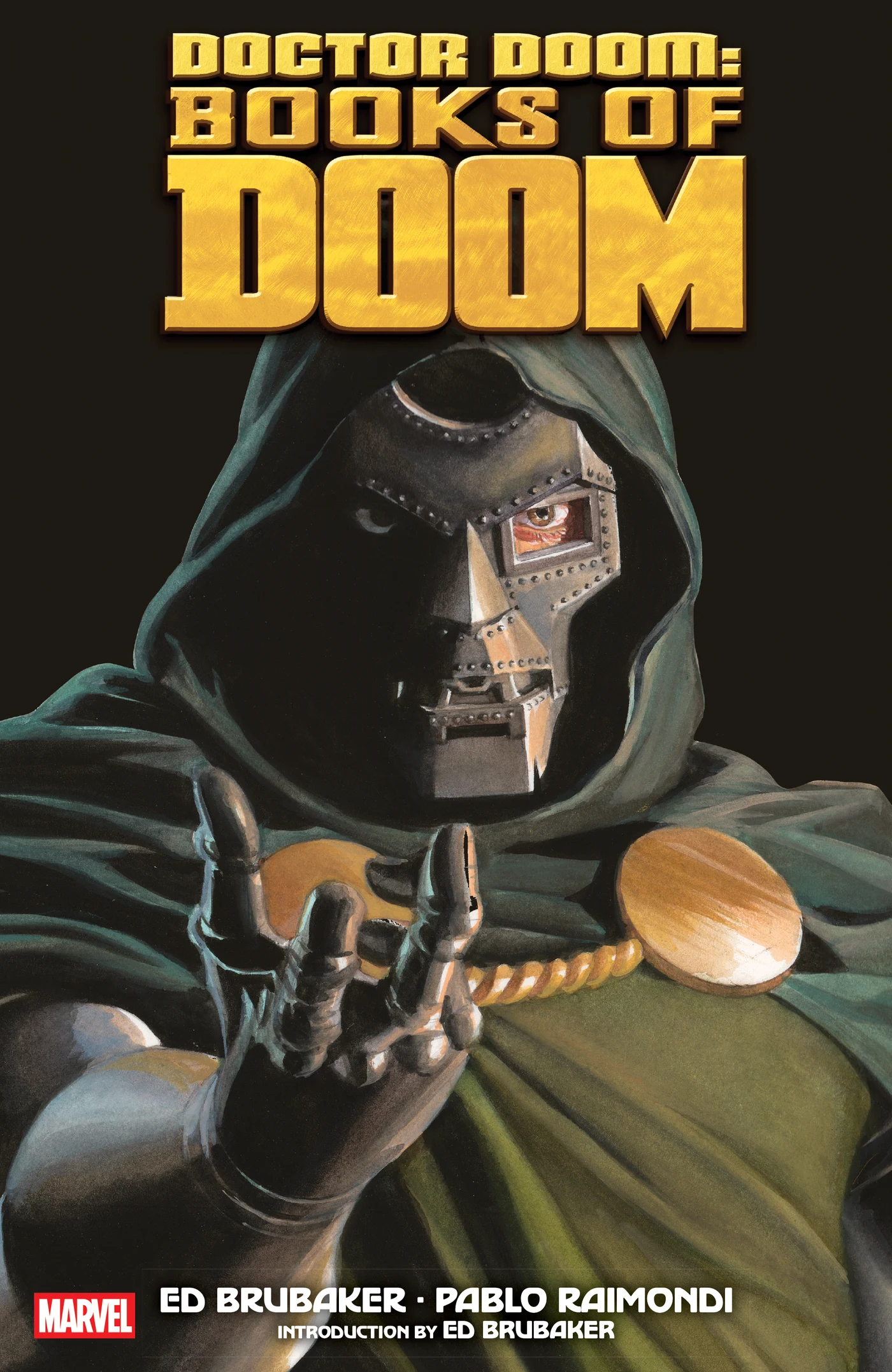
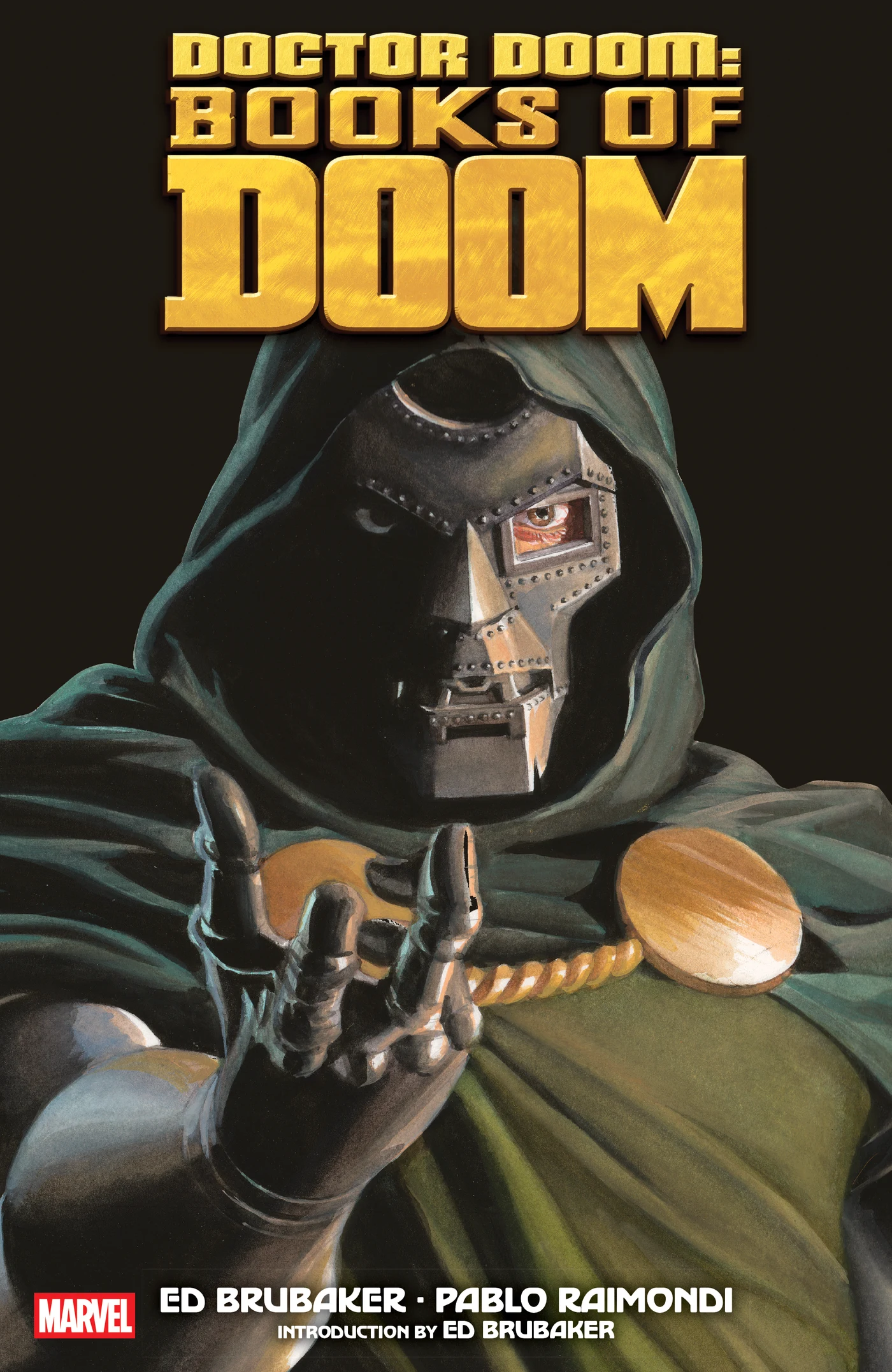
Ed Brubaker and Pablo Raimondi’s six-issue Books of Doom is the most efficient one-volume introduction on this list. It follows Victor from childhood and education through his path toward Latveria’s throne, with the crucial difference that Doom is presenting his own life story. His perspective is part of the point, not necessarily an objective history.
Marvel lists the six individual issues. The publisher’s 2025 paperback reissue collects #1–6, credits Brubaker, Raimondi and cover artist Alex Ross, and identifies the edition by ISBN 9781302964733. That is the specific edition pictured above.
Read this for: a self-contained origin that explains Doom’s mix of science, sorcery, pride and political ambition. It is the one book to prioritize if you are new to the character.
4. Triumph and Torment (1989): Why Doom needs magic
Doom is more than a technologist in armor. Roger Stern and Mike Mignola’s Doctor Strange and Doctor Doom: Triumph and Torment puts his mystical drive at the center, taking the two doctors into a story involving Doom’s mother and the powers of Hell. Marvel confirms the graphic novel in its Doctor Strange Epic Collection contents.
Read this for: the emotional cost beneath Doom’s obsession with control, and the part of his skill set that separates him from an ordinary armored antagonist. The linked Epic Collection includes other Doctor Strange stories; it is not identical to a standalone printing of the graphic novel.
5. Secret Wars #1–9 (2015): God Emperor Doom
Jonathan Hickman’s Secret Wars moves the rivalry with Reed Richards to a collapsing multiverse. Its surviving fragments form Battleworld, a realm under Doctor Doom’s rule. Marvel’s collected-edition listing specifies #1–9 and the central role of Doom.
Read this for: the fullest expression of Doom’s belief that only he can save everything. It helps to know what an incursion means, but you can read the main miniseries without buying every crossover tie-in. Our Battleworld guide explains its patchwork domains and how the 2015 version differs from the 1984 event.
This is comics context, not confirmation that the films will adapt God Emperor Doom or any specific Secret Wars event beat-for-beat.
6. One World Under Doom #1–9 (2025): Doom as global ruler
For a modern counterpoint, read the nine-issue core series One World Under Doom. Marvel’s official reading guide describes Doom obtaining the Sorcerer Supreme mantle in the aftermath of Blood Hunt, then trying to unite the world under his authority. The list identifies #1–9 as the main event.
Read this for: a modern Doom who believes governing everyone is a solution rather than a threat. There are related tie-ins, but they are not necessary to follow the central nine-issue storyline.
Optional: Infamous Iron Man #1–12
Want a less conventional Doom after those six stops? Infamous Iron Man (2016–17) follows Victor taking on an armored hero role. Marvel’s series catalogue lists all 12 issues. Treat it as an alternative character study, not a required chapter of the film’s preparation.
Do these comics tell us what happens in Avengers: Doomsday?
No. A comic gives you character themes and precedents, not a leak of the movie’s screenplay. Reading Secret Wars makes the Doctor Doom/Reed Richards dynamic easier to recognize, but Marvel has not established that its forthcoming films duplicate any of these storylines. For the confirmed movie setup and an actually manageable screen-viewing route, see the Avengers: Doomsday watch order.
FAQ
What is the best Doctor Doom comic for beginners?
Books of Doom #1–6. It supplies a compact, character-focused origin without requiring a long crossover reading list.
Should I read Secret Wars 1984 or 2015 for Doctor Doom?
Read 2015 for God Emperor Doom and the multiversal Battleworld storyline. The 1984 event is historically important, but tells a different story with a different Battleworld.
Do I have to read every One World Under Doom tie-in?
No. Marvel identifies the nine issues of the main One World Under Doom series as the central event. Tie-ins add perspectives, not a mandatory entry requirement.
Is Books of Doom the same comic as One World Under Doom?
No. Books of Doom is a 2005–06 origin miniseries, available in a 2025 collected paperback; One World Under Doom is a separate 2025 event about his contemporary rule.
Image provenance: the official Alex Ross cover for the 2025 Doctor Doom: Books of Doom paperback was already in Red Reactions’ editorial archive and is reused unchanged as WebP for this guide. Publisher’s book and artwork record. All rights reserved by the respective rights holders; no Creative Commons or public-domain license is claimed.
Sources
- Marvel — Fantastic Four's first major villains, including Doctor Doom in #5
- Marvel — Fantastic Four Annual (1963) #2 — September 1, 1964
- Marvel — Books of Doom (2005–06) six-issue series
- Penguin Random House — Doctor Doom: Books of Doom (2025 edition and cover) — January 21, 2025
- Marvel — Doctor Strange Epic Collection: Triumph and Torment
- Marvel — Secret Wars (2015) #1–9 collected edition
- Marvel — One World Under Doom reading list
- Marvel — Infamous Iron Man (2016–17) series
Make Red Reactions a preferred source
Choose Red Reactions as a preferred source in Google Search.
Confirm your choice on Google.
Related coverage
Avengers: Doomsday Watch Order — What You Actually Need to Watch Before the Movie
Not a 40-film homework list. Here's the minimum route into Avengers: Doomsday, what's worth adding for the Fantastic Four and X-Men context, and what's genuinely optional.

Battleworld Explained: Doctor Doom's Secret Wars World and How It Actually Works
One planet built from hundreds of dead universes, ruled by a god who used to be a man. Here's how Battleworld actually functions, why it isn't the same thing as 1984's Battleworld, and what the MCU has and hasn't confirmed.

Why Does Doctor Doom Hate Reed Richards?
Not because Reed scarred him. Not because Reed sabotaged him. The real reason is smaller, pettier and far more interesting — and Marvel confirmed it in Secret Wars.
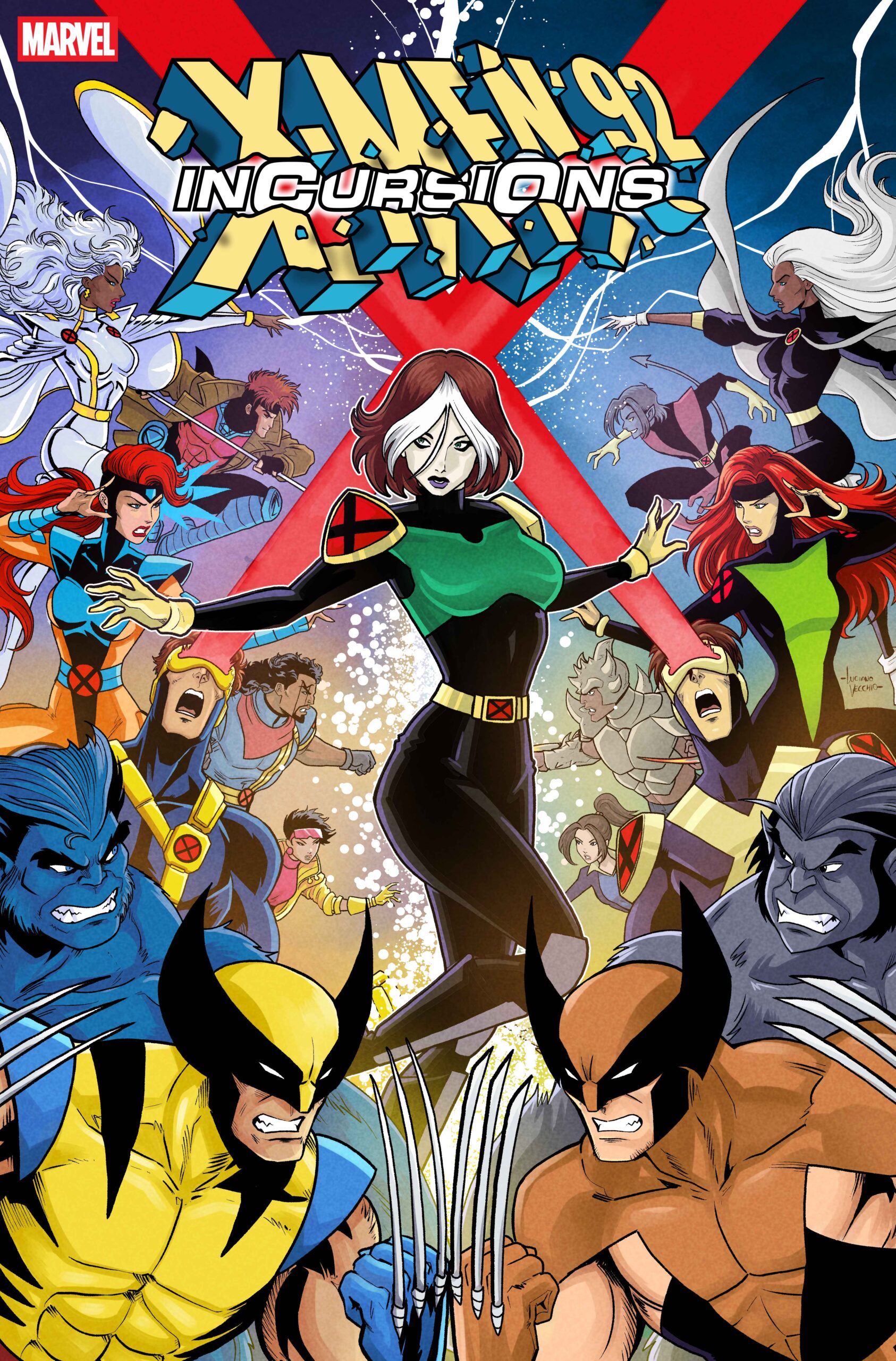
Marvel Incursions Explained: How Universes Collide and Why They Matter for Secret Wars
Two Earths, eight hours, and one impossible choice. Here's how Marvel's incursions actually work in the comics, how the MCU has already used the term, and what's confirmed for Doomsday and Secret Wars versus comic-book precedent.
About the author
Aram Anwar
Founder & Editor
Aram Anwar founded Red Reactions and writes across comics, gaming, movies and television. His work includes franchise guides and large Lore / Explained features, with an emphasis on separating confirmed details from reports, theory and speculation.
Coverage: Comics · DC & Marvel · Gaming · Movies & TV · Lore / Explained · Guides
More from Aram Anwar