lore · comics
Why Does Doctor Doom Hate Reed Richards?
Not because Reed scarred him. Not because Reed sabotaged him. The real reason is smaller, pettier and far more interesting — and Marvel confirmed it in Secret Wars.
 By Aram Anwar5 min read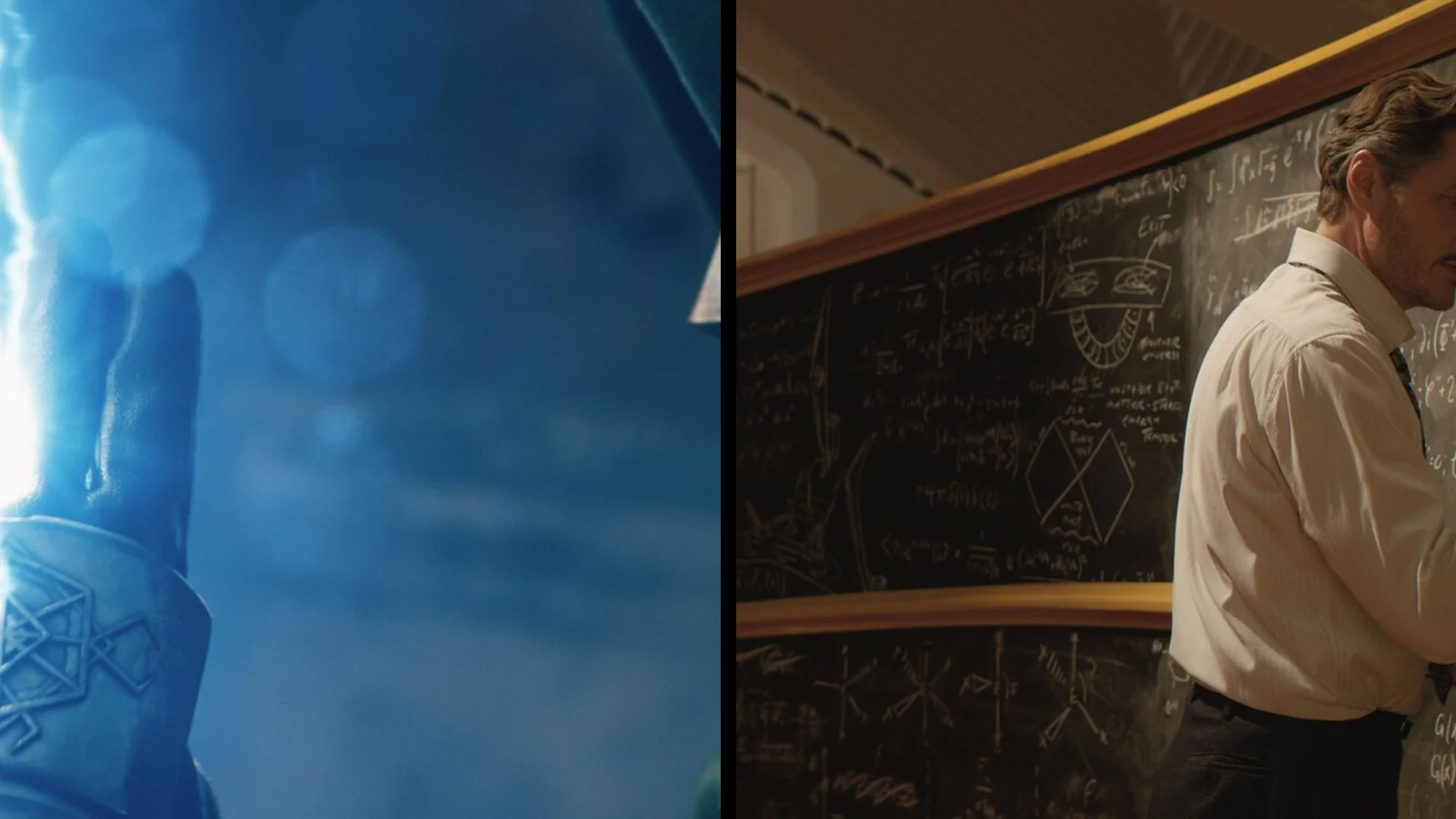
The standard answer is that Reed Richards caused the accident that ruined Victor von Doom’s face. It’s wrong, and it’s been wrong for sixty years.
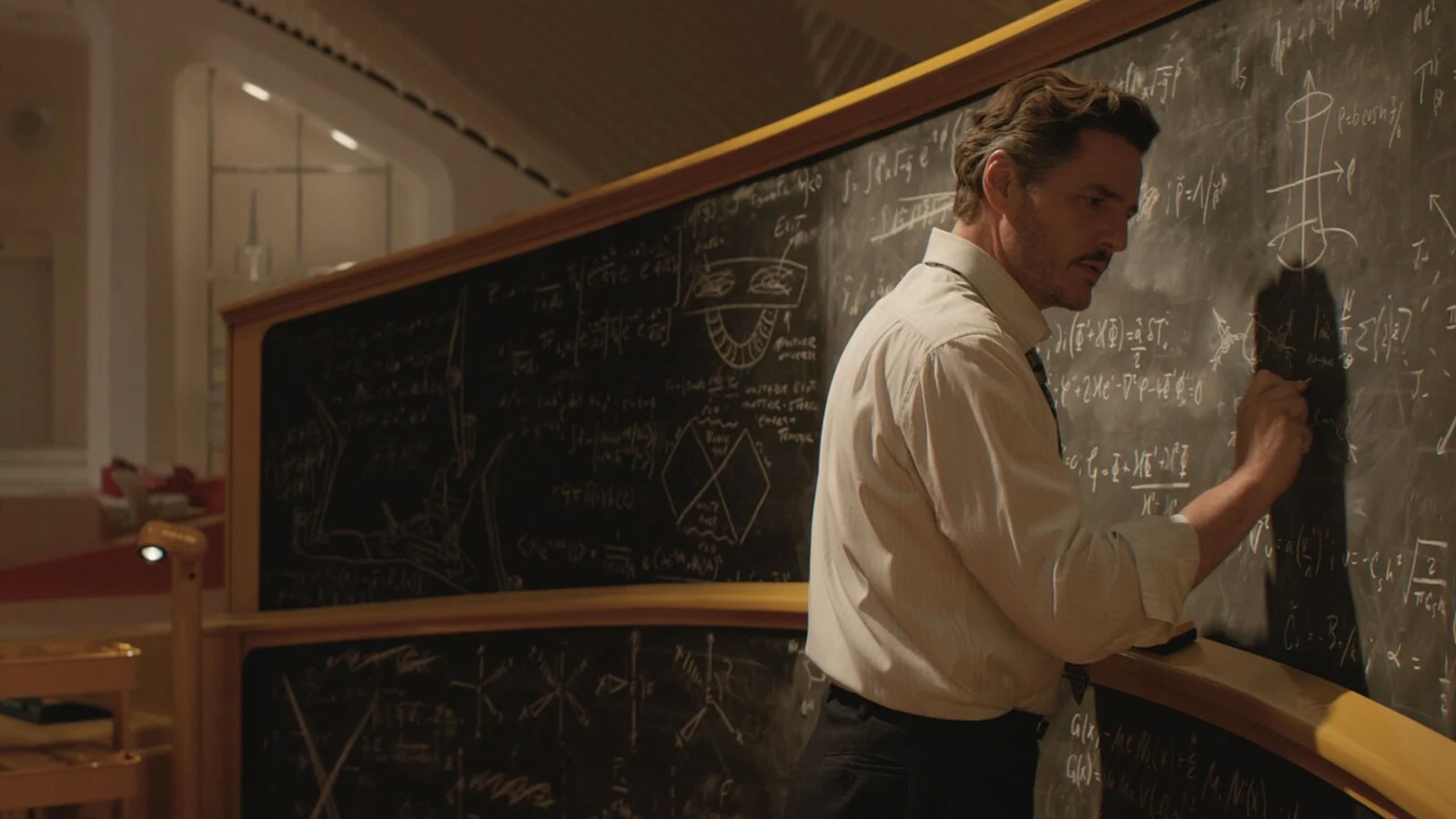
Reed didn’t build the machine. He didn’t touch it, alter it, or trigger it. What Reed did was read Victor’s equations, find a mistake in them, and say so.
That’s it. That’s the whole crime. Doctor Doom has spent six decades trying to destroy a man for being right about arithmetic.
For the full character breakdown, see our Doctor Doom explainer.
The machine
At university in New York, Victor was working on something intensely personal.
His mother, Cynthia, had made a bargain with the demon Mephisto and lost her soul for it. Victor built a device to reach her.
It was an extraordinary attempt to use science to bridge dimensions and reach the spirit world — attempted by an undergraduate. Whatever else Victor von Doom is, the scale of that project tells you he was never ordinary.
Reed read the equations
Reed Richards — already the other prodigy on campus — saw Victor’s work and spotted an error in the calculations. He told Victor the numbers were off, and that running the machine as configured would be dangerous.
Victor heard an accusation. He decided Reed was either trying to steal the work or sabotage it out of envy, threw him out, and activated the machine anyway.
The containment failed. The lab exploded. Victor was injured and expelled.
Reed’s role in this was one conversation he was correct about. Later stories have gone back and checked: in Matt Fraction’s Fantastic Four run, when Ben Grimm wonders whether his own campus needling of Victor contributed, Reed confirms the cause was the maths and Victor’s refusal to look at it again.
Why he can’t accept it
Here’s where the character actually lives.
Doom’s entire self-concept rests on being infallible. Not brilliant — infallible. Accepting the truth about the explosion would require him to hold two ideas he cannot survive: that he made a mistake in his calculations, and that Reed Richards caught it when he didn’t.
So he rewrote it. Reed sabotaged the machine. Reed was jealous. Reed did this to him.
That story does something very specific: it converts shame into rage. Humiliation is unbearable; being wronged is energising. Blaming Reed isn’t a conclusion Doom reached about the accident — it’s load-bearing architecture holding up everything he believes about himself. Remove it and the whole structure comes down.
The mask works the same way. Whatever the explosion did to his face — and the severity varies across retellings — the disfigurement that defines him came later. In Tibet, Doom put on his newly forged metal mask before it had fully cooled, worsening the damage to his face. The moment perfectly captures how violently Victor reacts to perceived imperfection.
What he actually wants
Simply killing Reed has never been enough to explain Doom’s obsession. Again and again, Victor wants something more important to him than Reed’s death: proof that Doom is the superior mind.
He wants Reed to say it. To acknowledge, out loud, that Victor von Doom is the better intellect. A dead Mister Fantastic ends the argument without winning it, and Doom needs to win it.
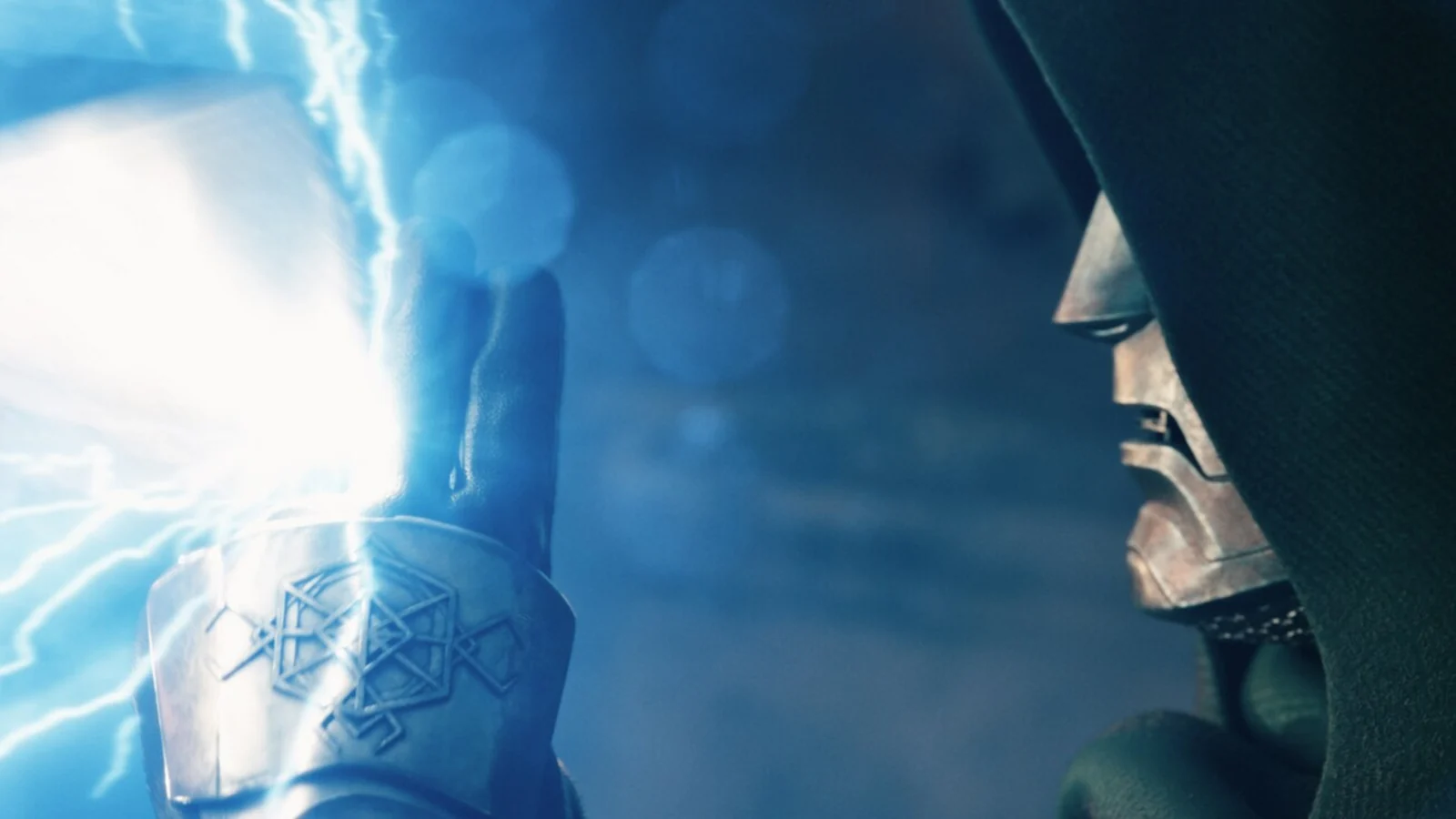
Which means Reed is load-bearing too. Doom’s sense of his own greatness requires a benchmark worth measuring against, and Reed is Doom’s defining intellectual benchmark. If Reed vanished tomorrow, Doom wouldn’t be free — he’d be unverifiable.
That’s also the root of the contradiction at the centre of the rivalry. When reality itself is at stake, Doom has repeatedly been willing to work with Reed. Their hatred does not erase the fact that Victor recognises Richards as one of the very few minds capable of operating on that level.
Secret Wars settled it
In Jonathan Hickman’s Secret Wars (2015) — the endpoint of a decades-spanning incursion crisis that had been destroying entire universes — Doom achieved everything: he saved fragments of the collapsing multiverse, built the patchwork world of Battleworld, and ruled it as a god for eight years.
And what did the omnipotent god do with it? On Battleworld, Doom placed himself in the family role Reed had lost: Sue was his consort, with Franklin and Valeria treated as his family. Total power, and he spent it on being Reed Richards with better PR — which tells you how deeply Reed defines Doom’s sense of himself.
The confrontation in Secret Wars #9 is the whole rivalry compressed. Molecule Man strips Doom’s power so the two can argue as equals. Doom accuses Reed of abandoning the good because he desires the perfect
. Reed counters that everything Doom built was an attempt to protect his own sense of self — then tells him he could have been a greater man.
Doom, stung, demands to know whether Reed really thinks he’d have done better.
Reed says yes. And Doom, in a careless moment, admits he thinks so too.
Molecule Man takes that as permission and hands the power to Reed — who uses it to rebuild the multiverse and, notably, to heal Victor’s face.
The asymmetry
This is the part that torments Doom most.
Doom makes Reed central to his identity in a way Reed does not return. Reed recognises Victor as both a brilliant peer and an extraordinarily dangerous enemy — he has spent decades fighting him and takes the threat entirely seriously. But defeating Doom is not the foundation of Reed’s self-worth.
There’s compassion in it too, most clearly at the end of Secret Wars, where Reed tells Doom he could have been the greater man and then spends part of his brief omnipotence repairing Victor’s face. That isn’t pity for a harmless man. It’s a judgement about wasted potential, from someone who never needed the argument settled in the first place.
Doom wants a nemesis who is as consumed by him as he is by Reed. That’s the one thing he has never been able to take.
The bottom line
Doctor Doom hates Reed Richards because Reed saw him fail and was right about why.
Everything after that — Latveria, the armour, the Doombots, the godhood — is an increasingly elaborate argument against one sentence spoken in a college laboratory. And in the one moment when Doom held absolute power over all of reality, he conceded the point anyway.
Make Red Reactions a preferred source
Choose Red Reactions as a preferred source in Google Search.
Confirm your choice on Google.
Related coverage
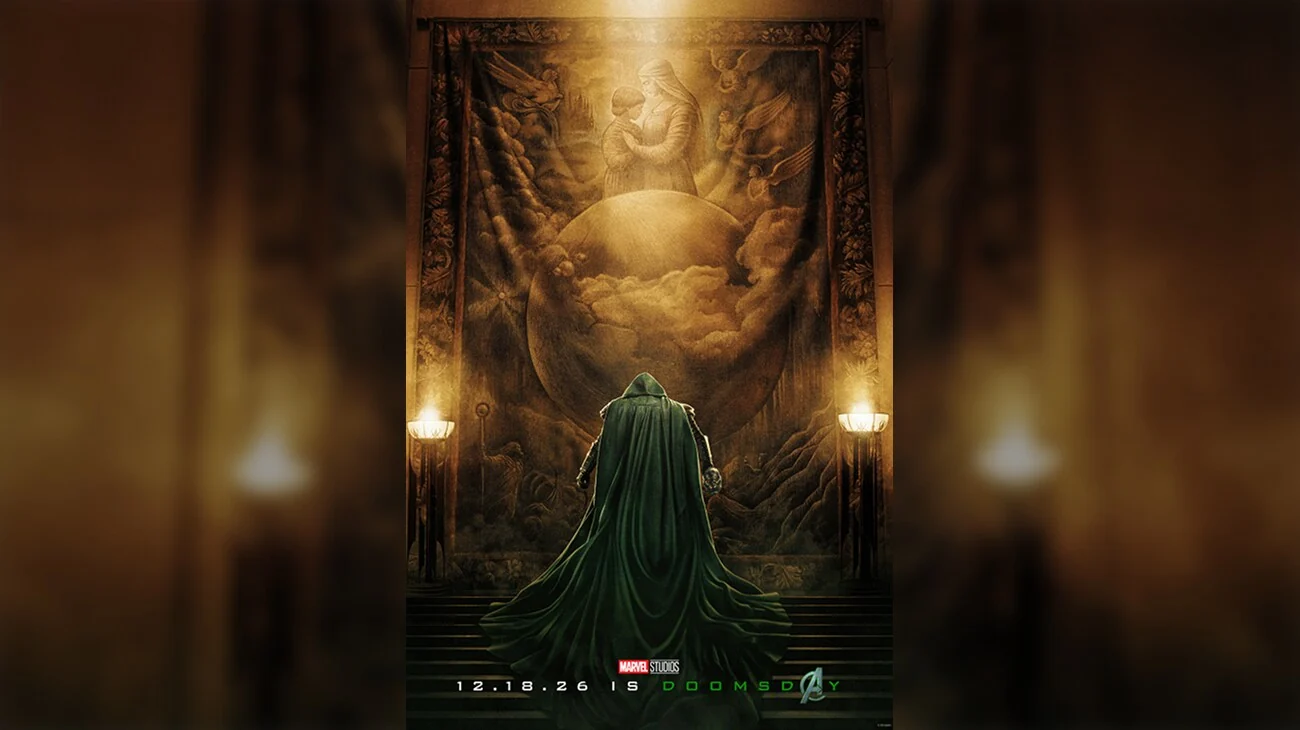
Battleworld Explained: Doctor Doom's Secret Wars World and How It Actually Works
One planet built from hundreds of dead universes, ruled by a god who used to be a man. Here's how Battleworld actually functions, why it isn't the same thing as 1984's Battleworld, and what the MCU has and hasn't confirmed.
Marvel Incursions Explained: How Universes Collide and Why They Matter for Secret Wars
Two Earths, eight hours, and one impossible choice. Here's how Marvel's incursions actually work in the comics, how the MCU has already used the term, and what's confirmed for Doomsday and Secret Wars versus comic-book precedent.
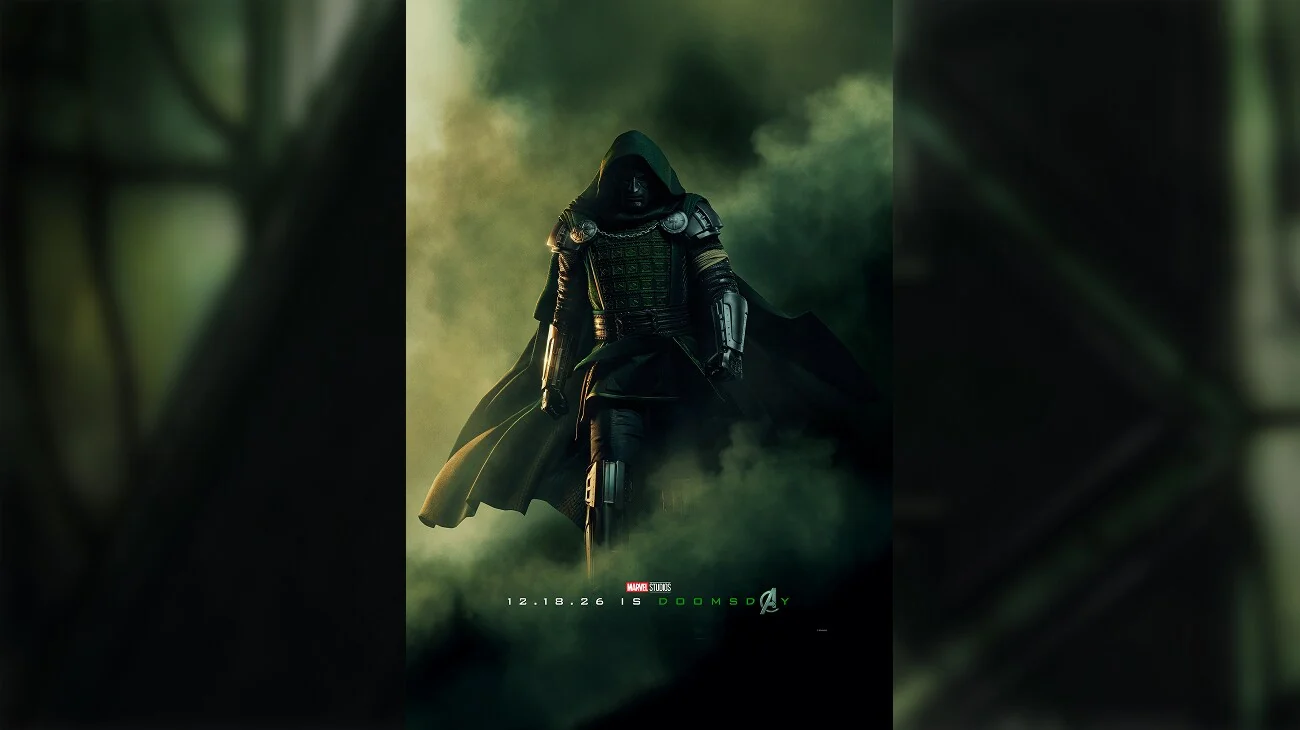
Avengers: Doomsday Watch Order — What You Actually Need to Watch Before the Movie
Not a 40-film homework list. Here's the minimum route into Avengers: Doomsday, what's worth adding for the Fantastic Four and X-Men context, and what's genuinely optional.
Who Is Doctor Doom? Marvel's Greatest Villain Explained
A monarch, a sorcerer, and a genius who blames someone else for his own mistake. Everything you need to know about Doctor Doom before Avengers: Doomsday.
About the author
Aram Anwar
Founder & Editor
Aram Anwar founded Red Reactions and writes across comics, gaming, movies and television. His work includes franchise guides and large Lore / Explained features, with an emphasis on separating confirmed details from reports, theory and speculation.
Coverage: Comics · DC & Marvel · Gaming · Movies & TV · Lore / Explained · Guides
More from Aram Anwar