news · comics
Marvel’s Midnight Universe Launch Guide: Three Horror #1s and October 28 Second Printings
Midnight Spider-Man, X-Men and Fantastic Four #1 share an October 7 launch. Check creative teams, horror premises, retailer-order context and second-printing dates.
 By Aram Anwar4 min read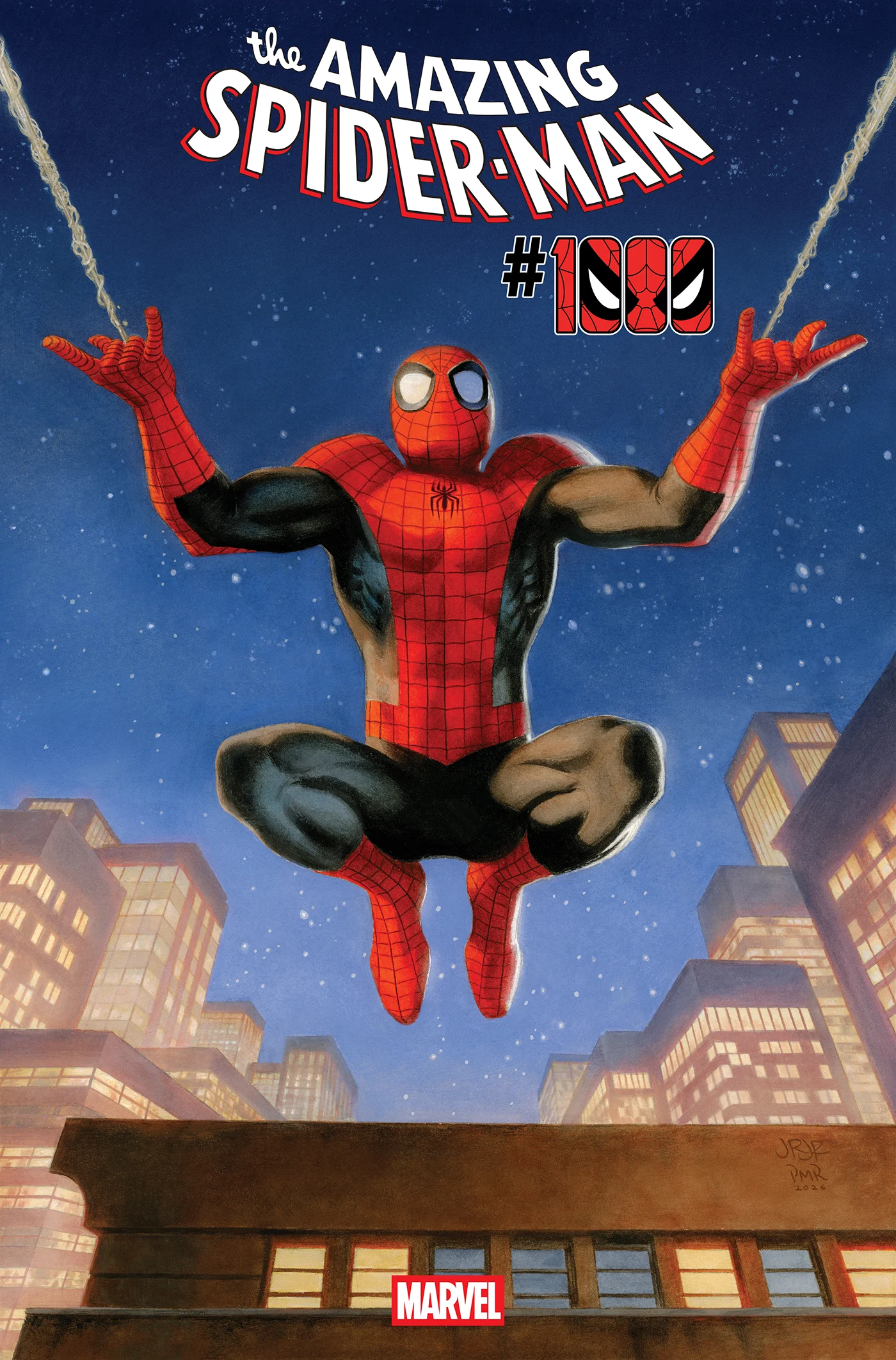
Marvel’s Midnight Universe begins with three #1 issues dated October 7, 2026: Midnight Spider-Man, Midnight Fantastic Four and Midnight X-Men. Their current distributor listings also show October 28 second printings.
October 7 update: This existing guide now covers the launch-day listings, creative teams and reprint dates. It is a buying and premise guide, not a review of the finished issues.
The shared idea is horror: familiar Marvel characters rebuilt around disturbing transformations, dangerous science and vampires. That gives readers three different starting points rather than an instruction to buy a particular sequence on trust.
The launch books and creative teams
| Book | Writer | Interior artist | Starting point |
|---|---|---|---|
| Midnight Spider-Man #1 | Phillip Kennedy Johnson | ScieTronc | Oscorp experiments and body horror |
| Midnight Fantastic Four #1 | Benjamin Percy | Kev Walker | Dangerous science and cosmic horror |
| Midnight X-Men #1 | Jonathan Hickman | Matteo Della Fonte | Vampires and mutant conflict |
These teams are listed on the current PRH Comics pages for Spider-Man, Fantastic Four and X-Men. Cover artists and variant editions can differ from the interior team, so check the particular issue when comparing listings.
Midnight Spider-Man makes the transformation frightening
The official solicit premise places Peter Parker inside Oscorp’s biological experimentation. Rather than treating mutation simply as a route to superhero abilities, the setup makes his altered body part of the horror and puts further human-animal experiments at stake.
That is enough to distinguish this version’s pitch from a standard Spider-Man origin. It does not establish a complete powers list, the ending of the debut issue, or which later solicitations will become pivotal. Start here if the body-horror premise is the part of Midnight that interests you.
For familiar-character background outside this line, our Spider-Man comics reading guide serves a different purpose. It should not be mistaken for a prerequisite reading list for Midnight.
Fantastic Four and X-Men offer different horror routes
The Fantastic Four premise turns discovery and transformation toward cosmic dread. The X-Men listing foregrounds vampires, mutant empires and a world shaped by conflict. These are the announced story setups, not our conclusions after reading the issues.
Choose the premise that appeals to you, then decide whether you want the other books. Comparing the line with DC’s Absolute Universe can help explain the appeal of rebuilding recognizable heroes, but the two publishers’ continuities and reading orders should not be conflated.
The checked launch listings and official trailer do not specify a mandatory order among the three debuts. That is a bounded observation about these materials, not a promise that later crossovers will never require sequencing.
What “one million orders” actually describes
AIPT’s September 23 report attributes to Marvel a combined total exceeding one million retailer orders across the three launch issues. It is not a count of individual readers, confirmed consumer sales or a million copies for each title.
Retailer demand helps explain why reprints matter. It is not evidence that an issue is good, nor that a reader must buy every variant. No review score or personal reading verdict is being attached to that figure.
First printings, reprints and availability
All three PRH listings date the first issues to October 7 and identify second-printing variants dated October 28. If a local shop is out of first printings, ask which edition it can supply and whether it is taking orders for the second printing. Check cover and price rather than assuming a reprint has identical packaging.
An on-sale date does not guarantee stock at every shop or digital access in every territory. This article makes no launch-day Marvel Unlimited promise. The official Marvel Entertainment embedded trailer provides the publisher’s visual introduction to the line; more coverage is available in Comics.
Hero: Marvel Comics’ Amazing Spider-Man #1000 main cover. This archived image shows the Spider-Man character, but is not a cover or preview from Marvel’s separate Midnight Universe horror launch.
Sources
Make Red Reactions a preferred source
Choose Red Reactions as a preferred source in Google Search.
Confirm your choice on Google.
Related coverage
Magneto: End of Days Begins February 3, 2027 with Bendis and Sorrentino
Marvel’s eight-issue Magneto: End of Days begins February 3, 2027. Brian Michael Bendis, Andrea Sorrentino and Dave Stewart explore Magneto across different eras.
Spider-Man '94 Annual Will Revisit Peter and Mary Jane's Animated-Series Cliffhanger
A new Spider-Man '94 Annual by original series showrunner John Semper Jr. is due December 9, 2026. The comic revisits Peter and Mary Jane's reunion after the animated finale.
Avengers: Doomsday Watch Order — What You Actually Need to Watch Before the Movie
Not a 40-film homework list. Here's the minimum route into Avengers: Doomsday, what's worth adding for the Fantastic Four and X-Men context, and what's genuinely optional.
Marvel Unlimited Is Being Replaced: Launch, Prices and Library Transfer
Marvel Comics Powered by WEBTOON launches November 16. What imports from Unlimited, what stays behind, subscription prices and the Founders code deadline.
About the author
Aram Anwar
Founder & Editor
Aram Anwar founded Red Reactions and writes across comics, gaming, movies and television. His work includes franchise guides and large Lore / Explained features, with an emphasis on separating confirmed details from reports, theory and speculation.
Coverage: Comics · DC & Marvel · Gaming · Movies & TV · Lore / Explained · Guides
More from Aram Anwar