lore · comics
What Is DC's Absolute Universe? Everything You Need to Know
A parallel DC reality where Batman has no money, Superman has no Kansas, and Wonder Woman was raised in Hell. Here's how it works and where to start.
 By Aram Anwar6 min read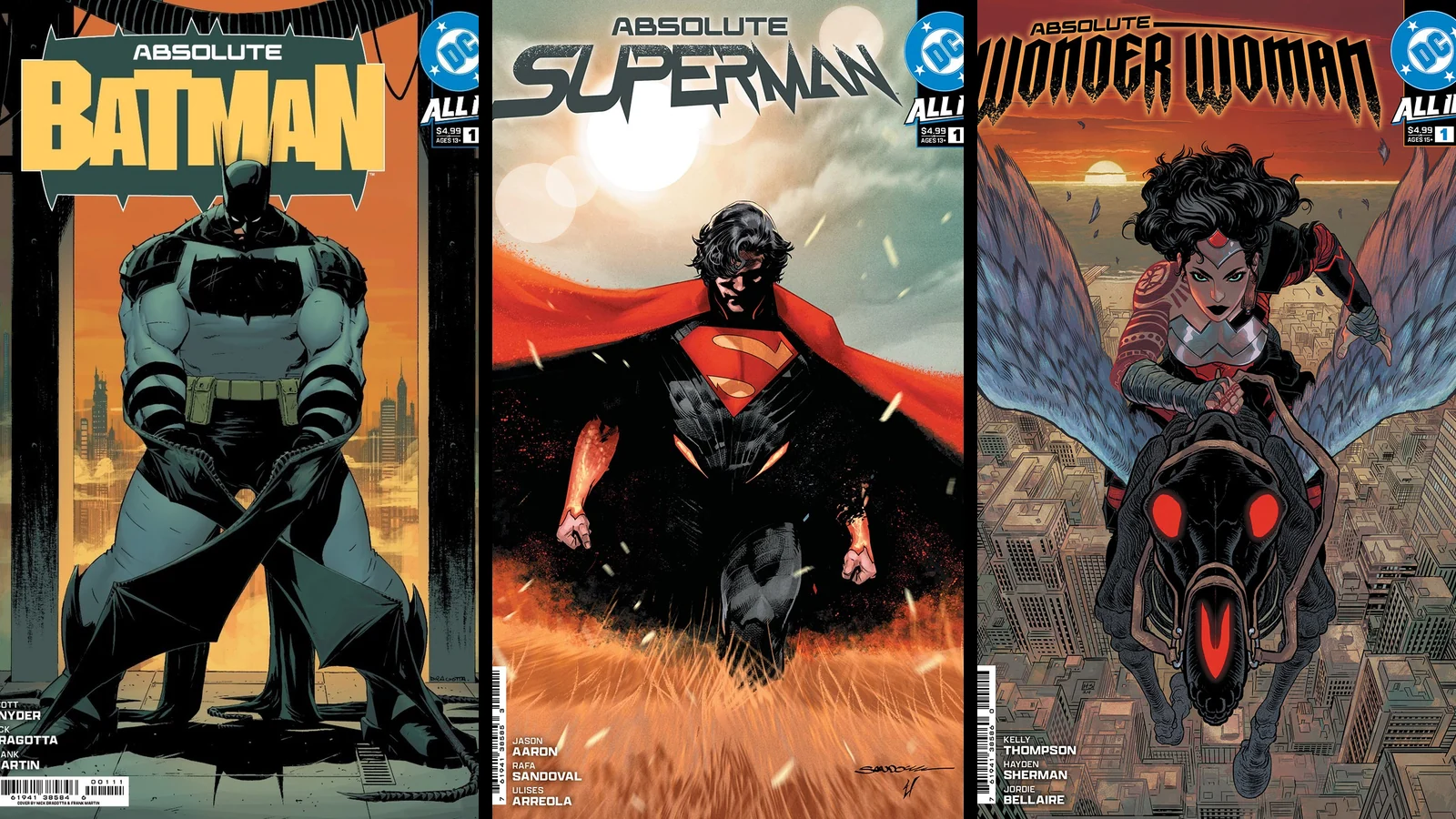
The single most useful thing to know about DC’s Absolute Universe is what it isn’t.
It isn’t a reboot. Nothing was erased, no continuity was rewritten, and the regular Batman, Superman and Justice League Unlimited books have continued publishing without interruption the entire time. The Absolute line runs alongside them, on its own Earth, with its own versions of the same characters.
That makes the line easy to get into — and a large part of why it has become one of DC’s biggest recent publishing successes.
Where it came from
The Absolute Universe launched in October 2024 as one half of DC All In, a line-wide strategy built by Scott Snyder and Joshua Williamson to serve two audiences at once.
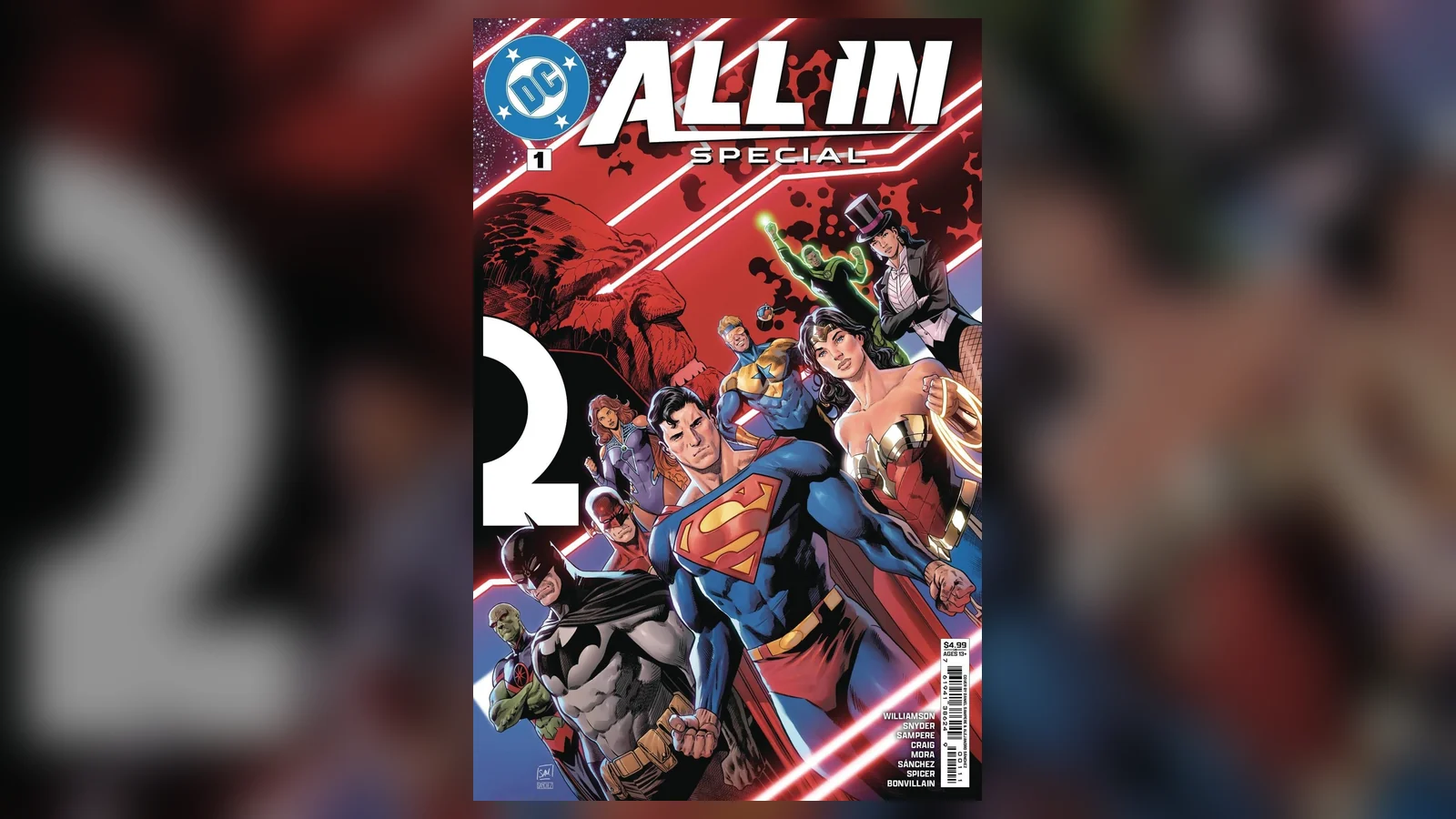
Both sides of the initiative launched out of DC All In Special #1 on October 2, 2024, an oversized symmetrical flipbook designed to be approached from opposite sides. One side, drawn by Daniel Sampere, set up the Earth-0 status quo. Flip it over and Wes Craig’s half covered Darkseid — and the birth of the new reality.
How Darkseid made it
This is the part that sounds more complicated than it is.
In DC All In Special #1, Darkseid battles the Justice League and the Spectre before sacrificing himself. He is then reborn within a new universe, weaving himself into the fabric of that reality and altering its history. The result is the harsher world that becomes the Absolute Universe.
Darkseid’s influence is built into the reality: its systems are hostile, its corporations corrupt, and its heroes are what Snyder has called the small chaos, working against a structure that was never built to accommodate them.
The founding idea
The founding Absolute books start from a shared idea: strip familiar advantages and support systems away from iconic heroes, place them against greater opposition, and see whether their essential heroism survives. As the line has expanded, later books have started playing with — and sometimes deliberately reversing — that formula.
These aren’t evil versions. The world got harsher; the people didn’t. What changed is that none of them have the traditional structural help readers expect.
The Trinity, rebuilt
Absolute Batman — Snyder and Nick Dragotta, October 2024. Bruce Wayne grew up in Crime Alley rather than above it. His father was a public school teacher killed in a mass shooting; his mother is alive. There’s no fortune, no manor, no cave, and Alfred is an MI6 operative tracking him rather than a butler raising him. Bruce is a municipal civil engineer who builds his own gear from industrial parts, and his chest emblem detaches into a battle axe. Our full Absolute Batman explainer goes deeper.
Absolute Superman — Jason Aaron and Rafa Sandoval, November 2024. The inversion here is the sharpest in the line: Kal-El was not sent to Earth as a baby. He grew up on Krypton in the labour caste, watched the planet be exploited to destruction, and arrived here as an adult. No traditional Kent-family or Smallville upbringing, and no familiar Daily Planet Clark Kent setup. He moves through the world as an undocumented labourer fighting a global conglomerate, and his cape is a semi-sentient nanotech companion called Sol that doubles as armour, weapon and mobile fortress. Our Absolute Superman explainer goes deeper.
Absolute Wonder Woman — Kelly Thompson and Hayden Sherman, October 2024. Diana was taken from Paradise Island as an infant and raised in Hell by Circe. She’s believed to be the last Amazon alive. Instead of a diplomat with a lasso, she’s a sorceress-warrior with hellfire magic and a broadsword — and she’s still recognisably Wonder Woman, which is the trick. Our Absolute Wonder Woman explainer goes deeper.
The rest of the line
The line expanded through 2025 and 2026 rather than launching all at once.
Absolute Flash — Jeff Lemire and Nick Robles. Wally West is reinvented without the traditional family, mentor or Speed Force framework, forced to understand unfamiliar speed abilities while powerful forces close in on him.
Absolute Green Lantern — Al Ewing and Jahnoy Lindsay. It starts without the familiar Green Lantern Corps, ring and willpower system, turning the arrival of green cosmic power into a horror-inflected mystery.
Absolute Martian Manhunter — Deniz Camp and Javier Rodríguez. A surreal, psychological story about an FBI agent bound to an alien presence in his own mind, Absolute Martian Manhunter completed its 12-issue run in July 2026.
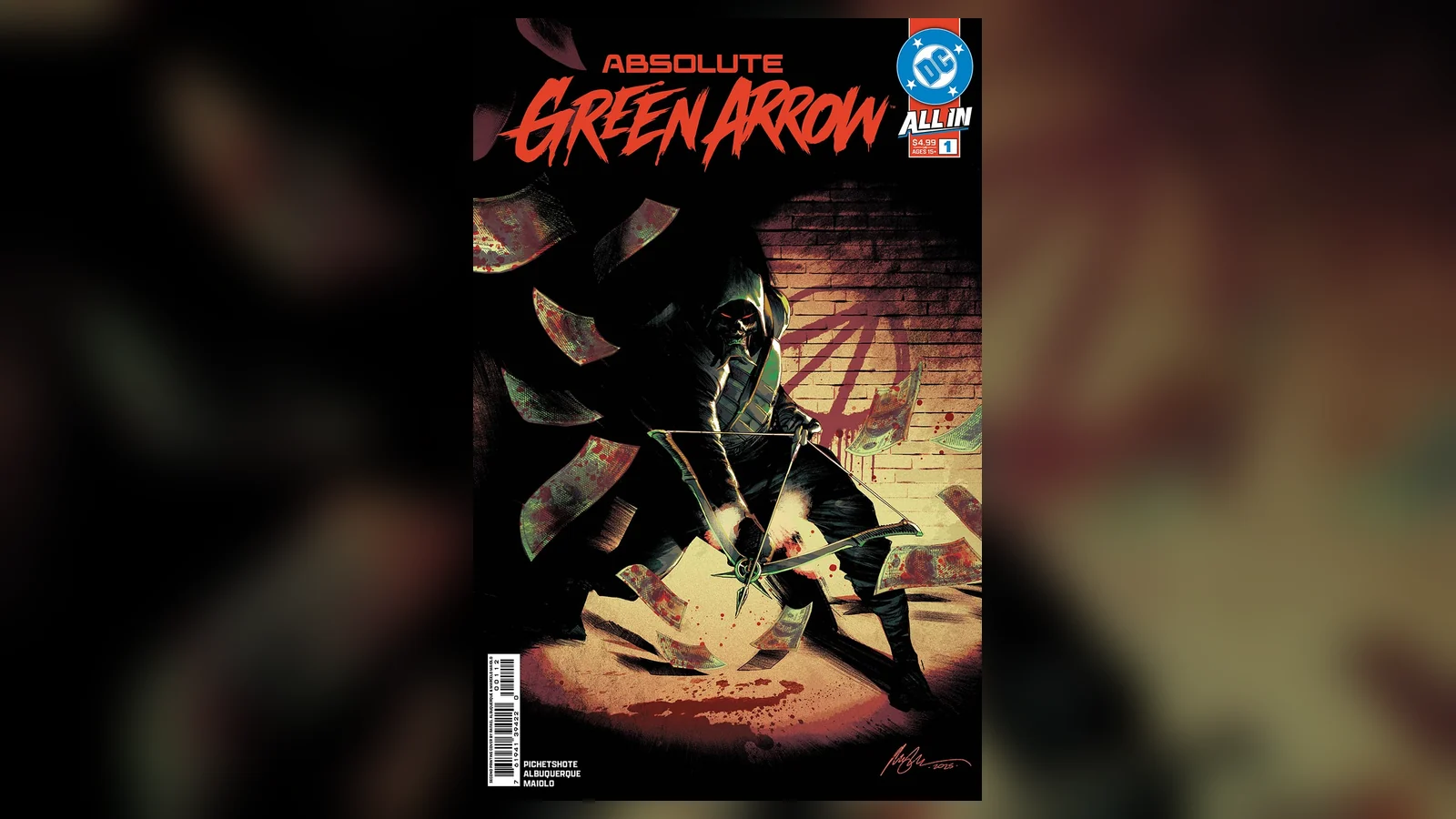
Absolute Green Arrow — Pornsak Pichetshote and Rafael Albuquerque. The six-issue limited series turns the Green Arrow mythos into a slasher-horror murder mystery. Oliver Queen has already been murdered, leaving Dinah Lance — the Absolute Black Canary — to investigate his death and the clues he left behind.
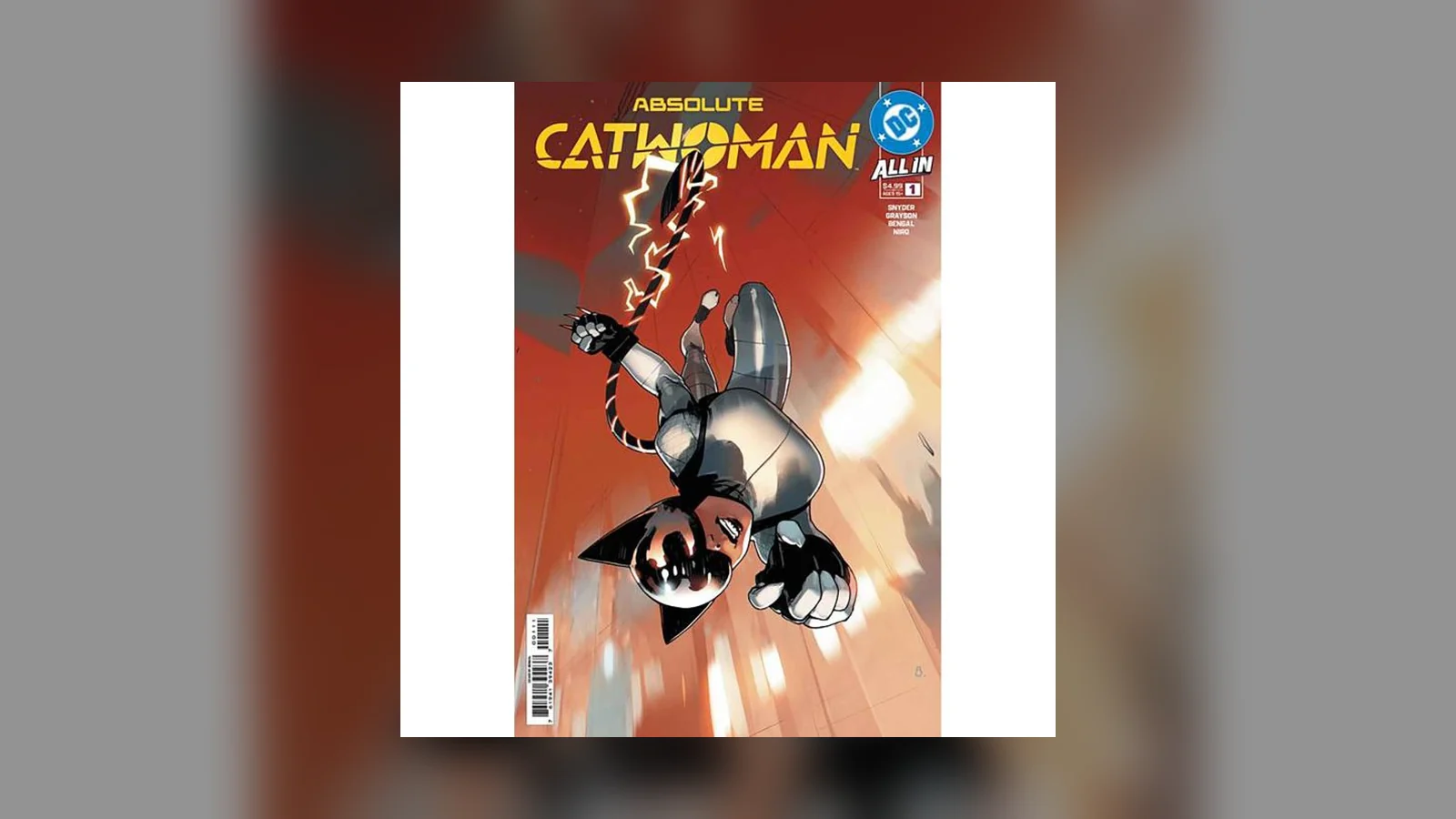
Absolute Catwoman — Che Grayson and Scott Snyder, with art by Bengal. The six-issue limited series spins out of Selina Kyle’s appearances in Absolute Batman, following her last appearance there in issue #14. Unlike the founding Absolute heroes, this version of Selina has wealth, high-tech equipment and elite skills — a deliberate reversal of the original “remove the advantages” formula.
There have also been one-shots — Absolute Evil, an Ark M special — and the line became relevant to DC’s wider DC K.O. storyline.
Is this DC’s Ultimate Universe?
The comparison is fair and the mechanics are different.
Marvel’s Ultimate relaunch turns on the Maker rewriting history to prevent heroes emerging — a hidden council quietly managing the world, with heroes as late-arriving dissidents reclaiming stolen destinies. It’s a political thriller.
The Absolute Universe is more elemental: no conspiracy, no manipulation, just a reality whose foundations are hostile because a god’s death shaped them. The heroes aren’t recovering something taken from them. They never had it.
Both are self-contained and leave parent continuity alone. Ultimate is about a stolen world; Absolute is about a world that was always like this.
Where to start
Simplest possible answer: pick a #1 and read it.
There’s no mandatory reading order, no required crossovers, and no requirement to touch any other Absolute book, let alone mainstream DC. Each series explains its own world as it goes. For the practical version — including the few genuine crossover points — see our DC Absolute Universe reading order.
- Want action and the best entry point? Absolute Batman.
- Want science fiction and anti-corporate world-building? Absolute Superman.
- Want dark fantasy and mythology? Absolute Wonder Woman.
- Want something genuinely strange? Absolute Martian Manhunter, a complete 12-issue story you can now read as a finished run.
DC All In Special #1 is worth reading for the cosmology, but it’s optional and always was.
One terminology trap worth avoiding: an “Absolute Edition” is DC’s oversized slipcased reprint format, and has been for decades. It has nothing to do with the Absolute Universe. If someone recommends you the Watchmen Absolute Edition, they aren’t talking about this continuity.
If you’re looking for new-reader-friendly books set in the main DC Universe instead — same continuity as Superman and Batman, not a separate Earth — see our DC Next Level guide.
The bottom line
DC built an entire second publishing line on one question — what’s left of a hero when you take away everything that made heroism convenient — and then answered it well enough, repeatedly, that the line has grown into a major commercial and critical success alongside DC’s core books.
No continuity homework. No reboot anxiety. Just Batman with no money, Superman with no home, and Wonder Woman raised in Hell, all still trying to do the right thing in a world specifically constructed to make that hard.
Make Red Reactions a preferred source
Choose Red Reactions as a preferred source in Google Search.
Confirm your choice on Google.
Related coverage
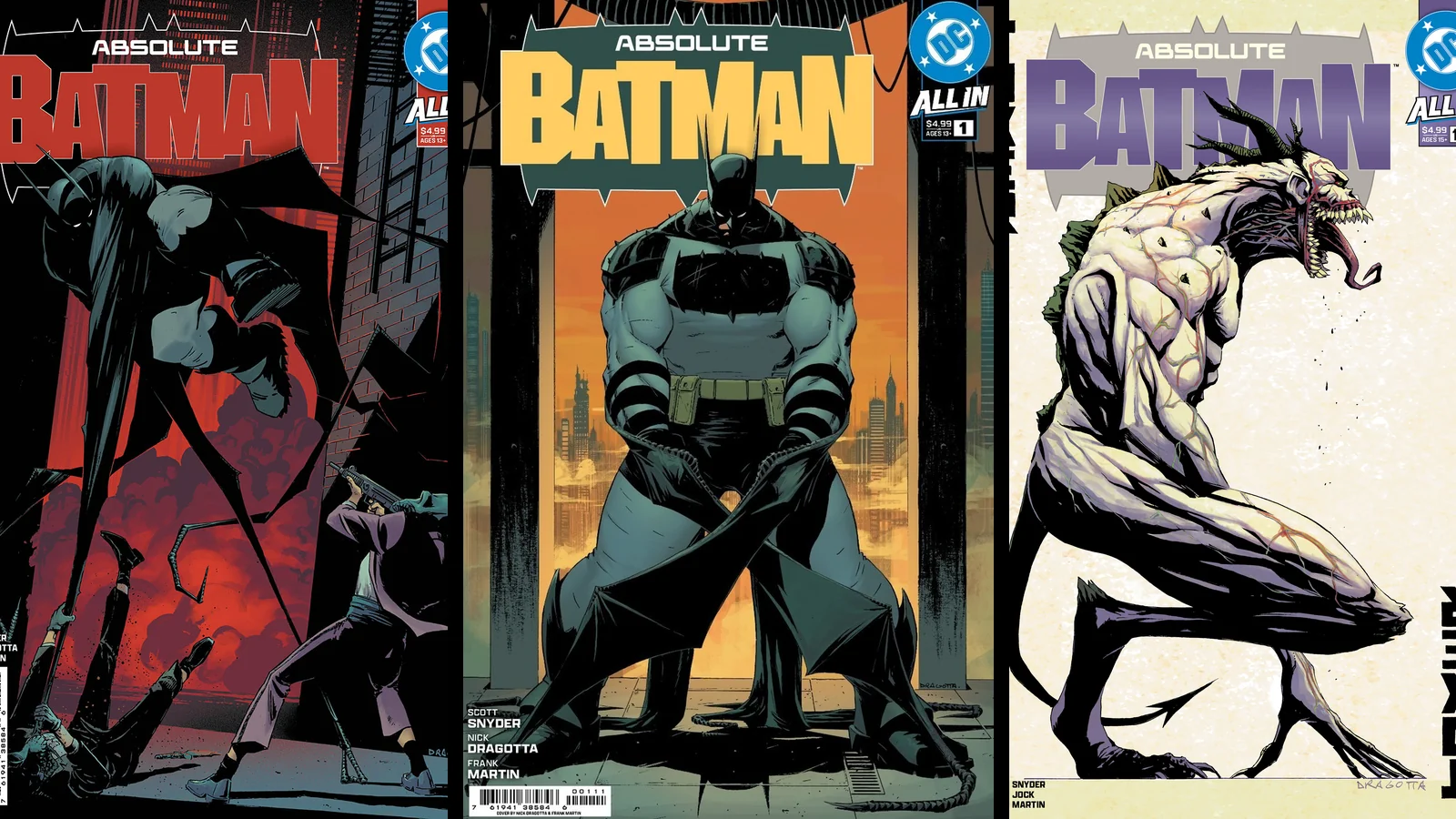
Absolute Batman Explained: Why This Bruce Wayne Is Completely Different
No manor, no money, no butler — and a chest emblem that doubles as an axe. DC's Absolute Batman reimagines Bruce Wayne as a working-class civil engineer.
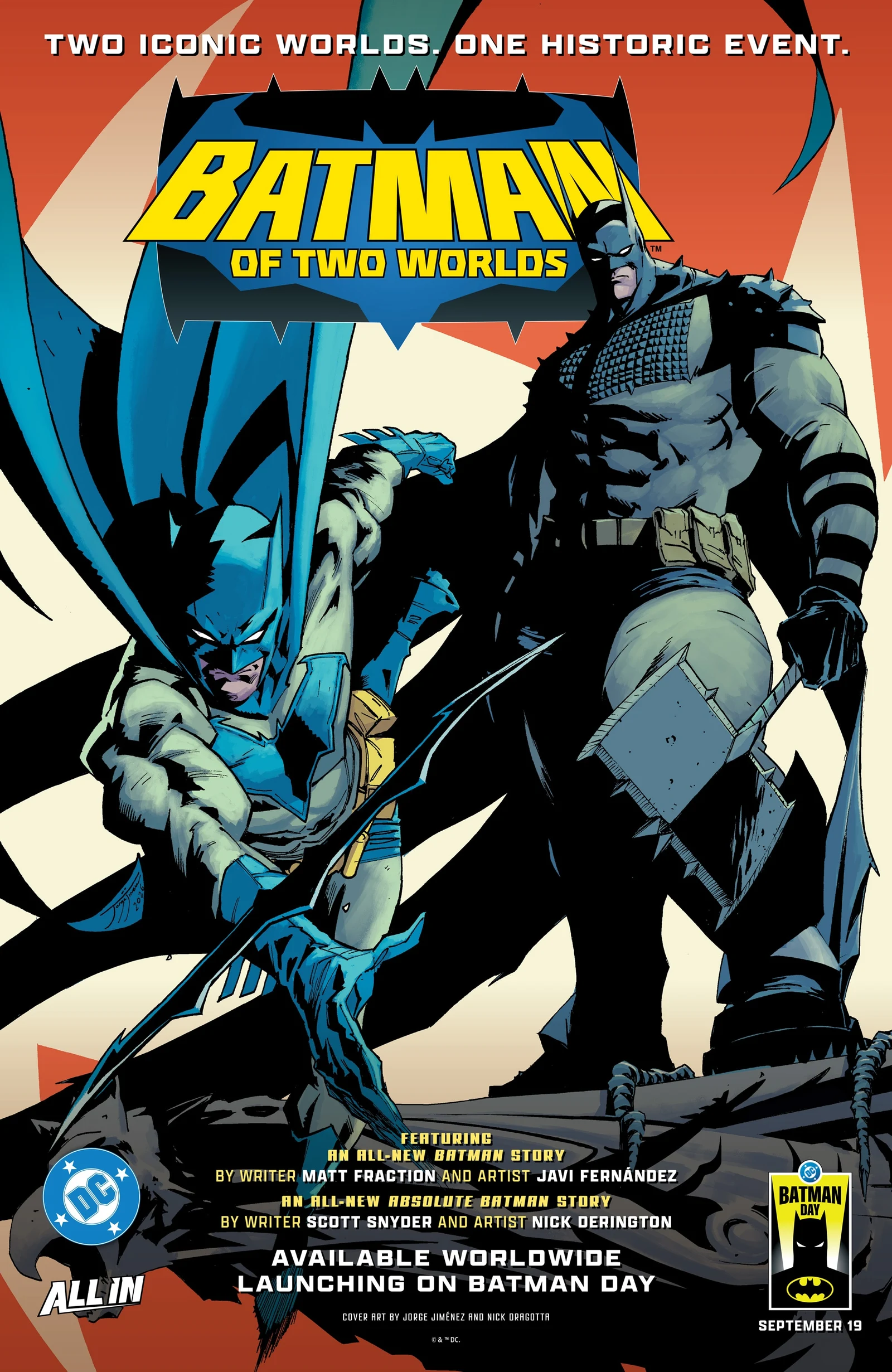
Batman of Two Worlds Explained — How Main DC Batman and Absolute Batman Solve the Same Crime
DC's Batman Day 2026 one-shot Batman of Two Worlds puts mainstream Batman and Absolute Batman in the same issue — but not the same story. Here's exactly how the comparison works, and whether the two Bruce Waynes actually meet.
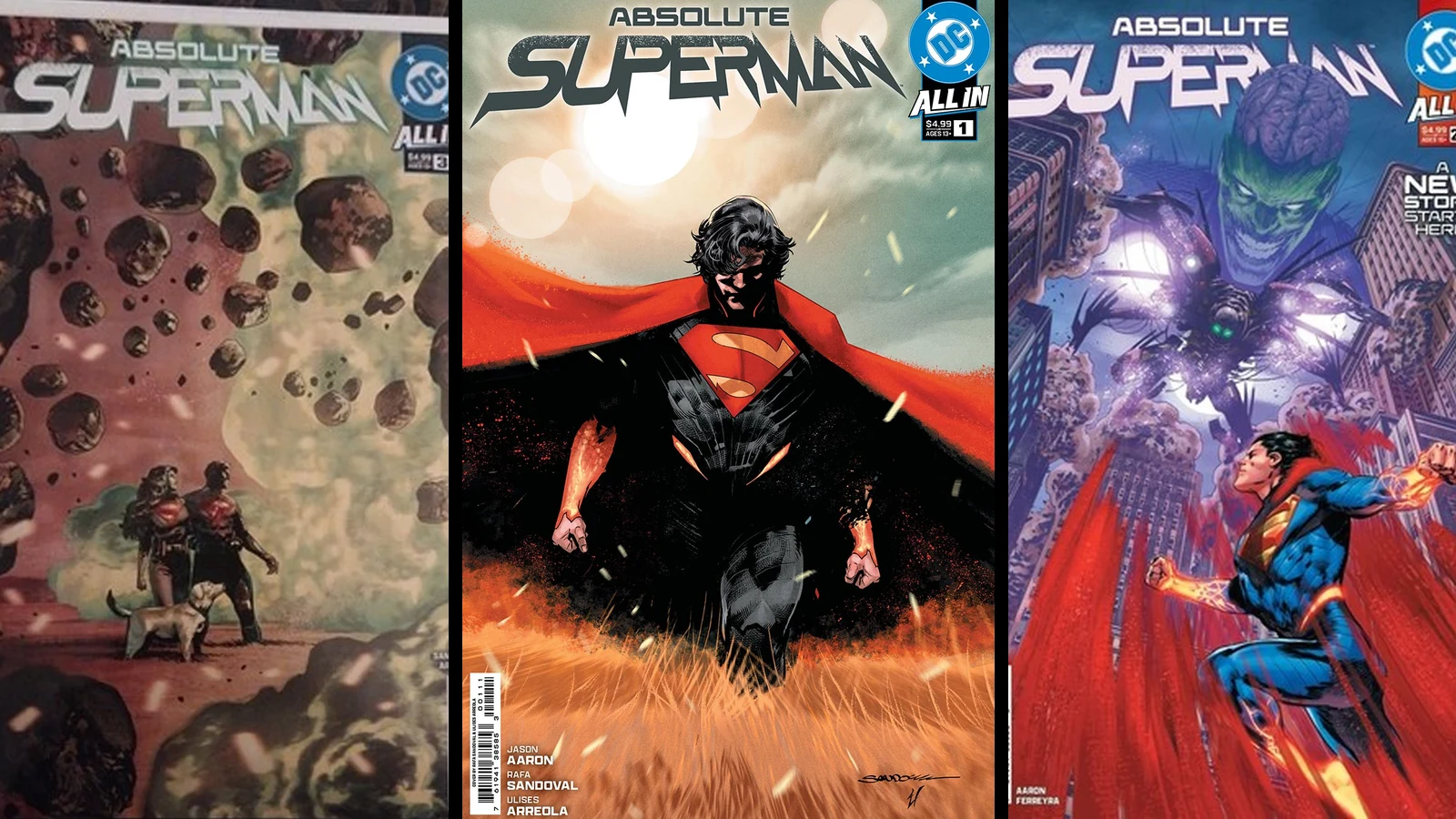
Absolute Superman Explained: Origin, Powers, and Every Major Change
No traditional Kent upbringing. No familiar Daily Planet setup. DC's Absolute Superman grew up on Krypton, arrived on Earth as an adolescent refugee, and rebuilt the Man of Steel from the ground up.
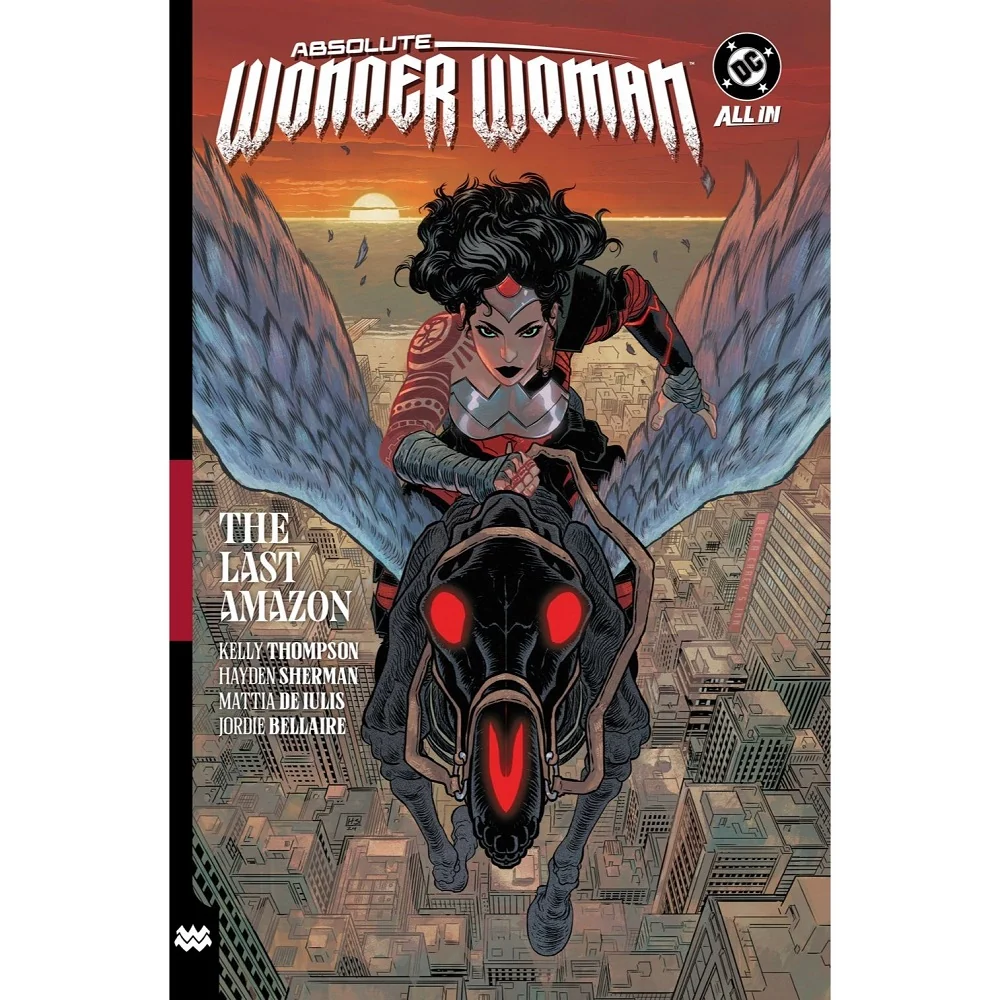
Absolute Wonder Woman Explained: DC's Darkest Reinvention of Diana
Raised in Hell by Circe and denied Themyscira and her sisterhood. The Eisner-winning reinvention of Wonder Woman, explained for new readers.
About the author
Aram Anwar
Founder & Editor
Aram Anwar founded Red Reactions and writes across comics, gaming, movies and television. His work includes franchise guides and large Lore / Explained features, with an emphasis on separating confirmed details from reports, theory and speculation.
Coverage: Comics · DC & Marvel · Gaming · Movies & TV · Lore / Explained · Guides
More from Aram Anwar