lore · comics
Absolute Batman Explained: Why This Bruce Wayne Is Completely Different
No manor, no money, no butler — and a chest emblem that doubles as an axe. DC's Absolute Batman reimagines Bruce Wayne as a working-class civil engineer.
 By Aram Anwar6 min read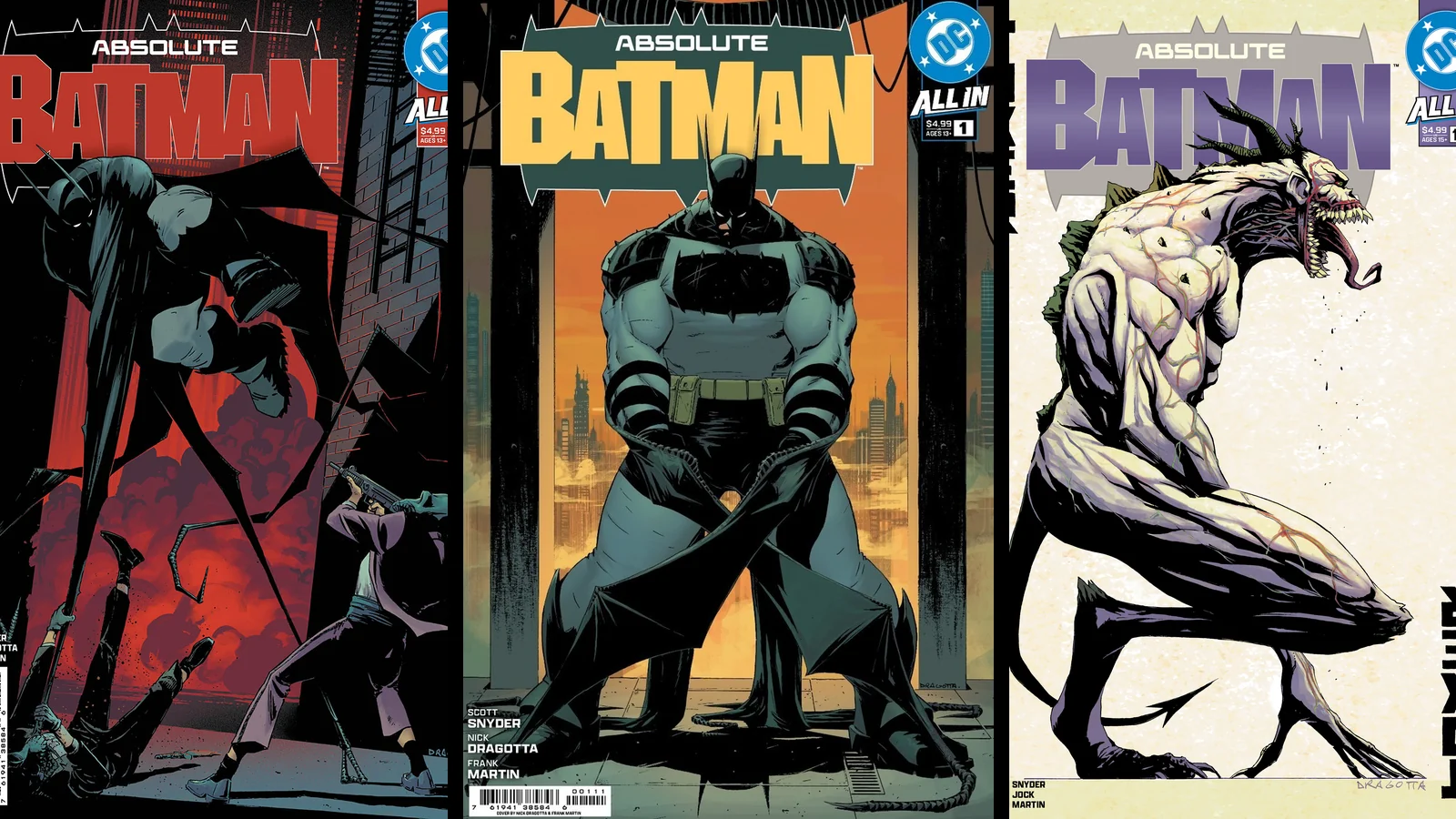
DC’s official logline for the thing is six words: No manor, no money… all Batman.
That’s Absolute Batman, one of the foundational books in DC’s Absolute Universe, which since October 2024 has become one of DC’s biggest modern comics hits — more than six million copies sold, a first issue that ran to an eleventh printing, and enough momentum to make it a major driver of DC’s Absolute publishing success. The Absolute line also helped fuel a market-share surge that put DC ahead of Marvel in the comic-shop market. On June 25, 2026, DC Studios and Warner Bros. Animation announced an adult animated adaptation with writer Scott Snyder as showrunner and artist Nick Dragotta producing.
All of that for a Batman with no inheritance, no cave, and a working-class civil-engineering job in Gotham.
What the Absolute Universe actually is
The Absolute line launched alongside DC’s “All In” initiative in October 2024, overseen by Snyder. It runs parallel to mainstream continuity rather than replacing it — a separate reality within the multiverse, sharing space with Absolute Wonder Woman and Absolute Superman.
The conceit is elegantly simple. Where the main DC Universe is shaped by what Snyder has described as Superman energy — a world where systems tend to favour hope and heroes have institutional advantages — the Absolute world runs on Darkseid energy. Every hero is stripped of the thing that made them comfortable and made an underdog against entrenched power.
For Superman, that means no traditional Kent-and-Smallville upbringing. For Batman, it means no money.
Bruce Wayne without the billions
Absolute Bruce is in his early twenties and was born in Crime Alley, not above it.
His father Thomas was an elementary school teacher who’d wanted to be a surgeon and chose teaching when the family couldn’t fund medical school. His mother Martha is a social worker — and, crucially, she’s alive. There’s no pearls-on-pavement scene here.
The origin turns on a school engineering contest. Young Bruce designs the winning model bridge; the prize is a class trip to the Gotham City Zoo; a gunman opens fire; Thomas dies locking his students inside the zoo’s bat sanctuary to keep them safe. Snyder has been explicit that Bruce carries survivor’s guilt over the bridge — he believes his own project put his father in that building.
So Bruce stayed in Gotham. No decade-long global training montage, no League of Assassins. He worked across municipal departments, taught himself criminology and chemistry and mechanics on his own time, and became a civil engineer for the city.
That job is the whole design. It gives him blueprints, tunnels, heavy machinery and access to every load-bearing wall in Gotham, all without a single security flag. He repairs the city’s infrastructure by day and attacks its corruption by night, and the same knowledge does both jobs.
Why he’s built like that
Dragotta’s Batman is enormous, deliberately pushed toward almost Hulk-like proportions. The lack of wealth and resources means Bruce makes his own body part of the equipment. His silhouette is blocky, industrial and tank-like, and it’s a psychological weapon in a way sleek theatricality isn’t.
The suit
It’s the best-designed superhero costume in years, and every element of it is a tool.
The chest emblem is solid steel and detaches from the torso. Combined with collapsible handles from his belt, it becomes a war axe — used to take a man’s arm off in the first issue. Snyder has said an early draft had Eddie Nigma supplying Bruce with advanced materials, and he cut it specifically so Bruce builds everything himself.
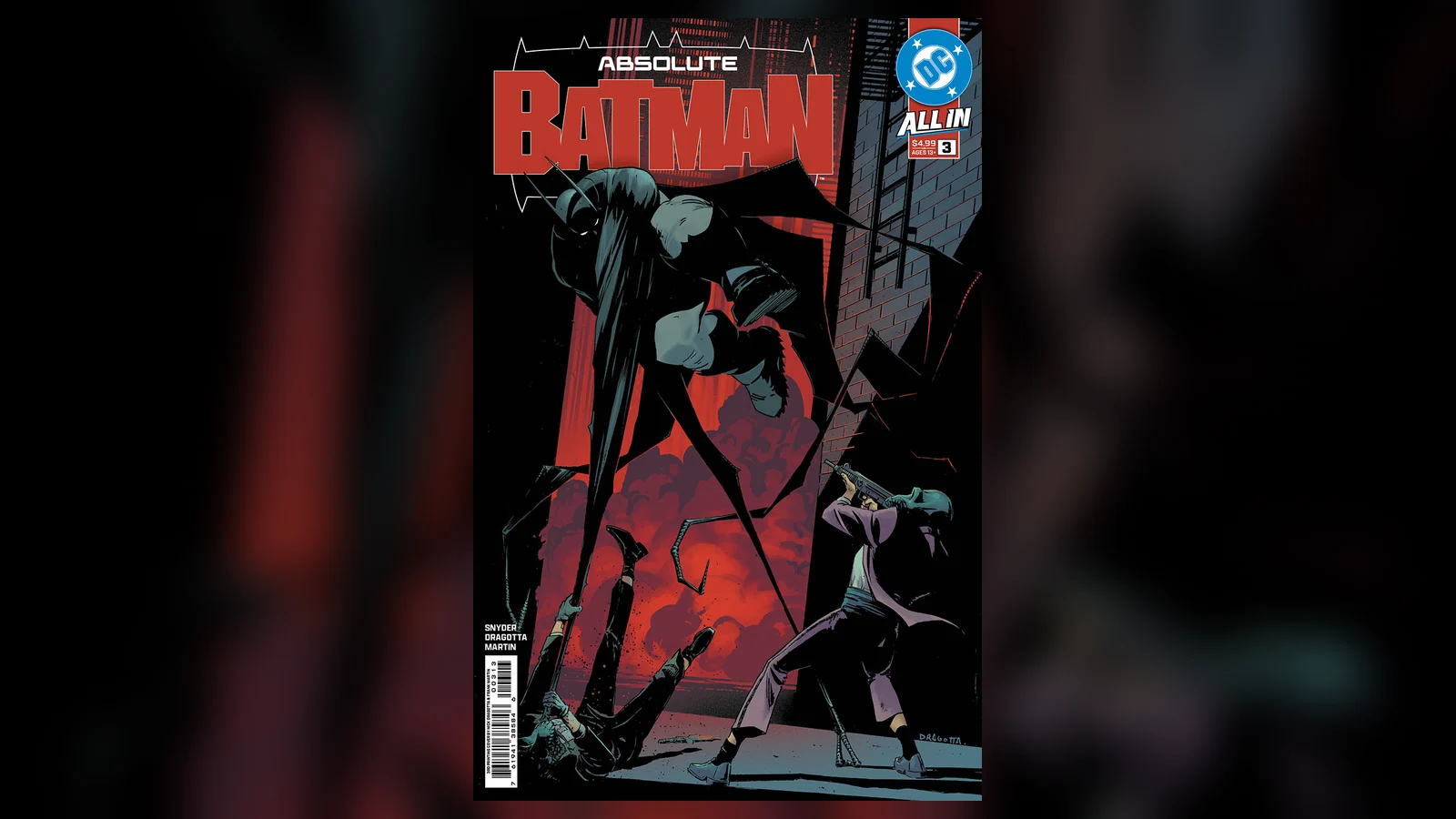
The cape is built around articulated mechanical tethers and structural elements rather than functioning like a conventional cloth cape. It extends into hooks and spikes — used to glide, grapple, shield against gunfire, disarm opponents, and let him move on all fours like an actual bat.
The cowl ears come off as razor-edged steel, usable as blades in close quarters or thrown.
And despite the brutality, he doesn’t kill and doesn’t carry guns. In issue #1 he disarms Alfred and re-engineers the man’s shotgun to fire non-lethal rounds, which tells you everything about the character’s relationship with weapons.
Alfred is an assassin
Not a butler. Not a father figure. Not remotely a servant.
Absolute Alfred is an active MI6 operative sent to Gotham to investigate a terror group called the Party Animals. He narrates the early issues, works out Bruce’s identity fast, and seriously considers killing him as an unsanctioned variable — before deciding not to and becoming an off-site tactical partner instead.
It’s the sharpest inversion in the book. The traditional dynamic is a wealthy man and his devoted retainer. Here it’s two dangerous professionals negotiating a working relationship neither of them planned.
His friends became the rogues
Bruce grew up in Crime Alley with Waylon Jones, Eddie Nigma, Ozzie Cobblepot, Harvey Dent and Selina Kyle. As adults, most of them still meet for a weekly poker game.
You can see the engine from here. Bruce doesn’t fight anonymous criminals — he watches systemic pressure grind his childhood friends into the villains you already know, one by one. Bane’s arc pushes several of Bruce’s friends toward versions of the identities readers already recognize. Selina debuts in her own suit in issue #13.
The Joker is a trillionaire
This is the change that makes the whole thesis work.
Absolute Joker is Joseph “Jack” Grimm V, a reclusive near-trillionaire running the conglomerate J.K. Holdings. He’s a philanthropist. He’s beloved. He is known as the man who never laughs.
Alfred’s investigation leads him to conclude that the Grimm dynasty may never have been a normal family at all — that the same centuries-old man has been cycling through identities as his own descendants. The investigation connects him to the systems funding Gotham’s horrors: Black Mask’s Party Animals, Ark M and Bane.
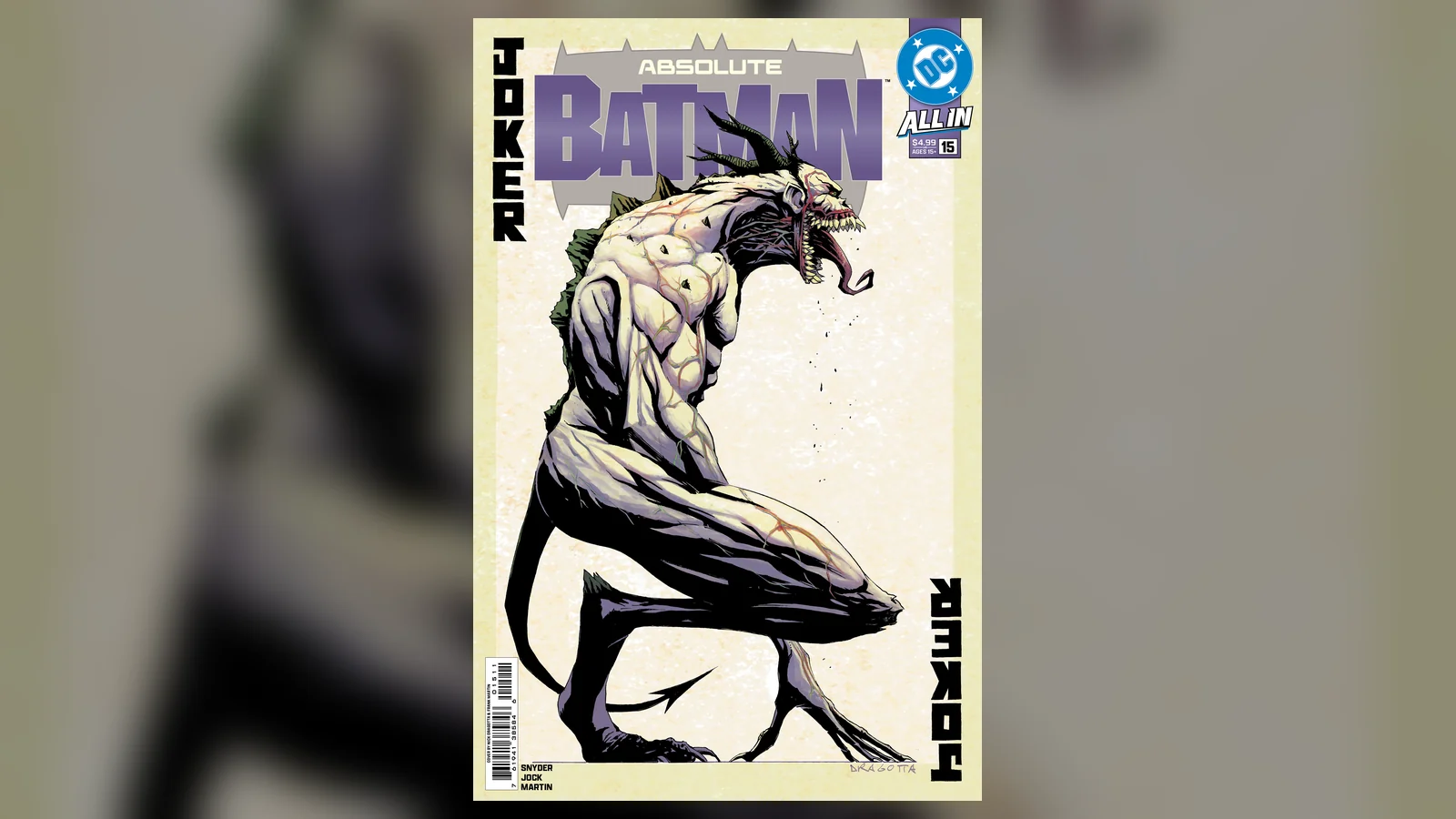
Mainstream Joker is chaos attacking an aristocrat. Absolute Joker is capital attacking a labourer. That’s not a costume change — it’s a different story.
Where to start
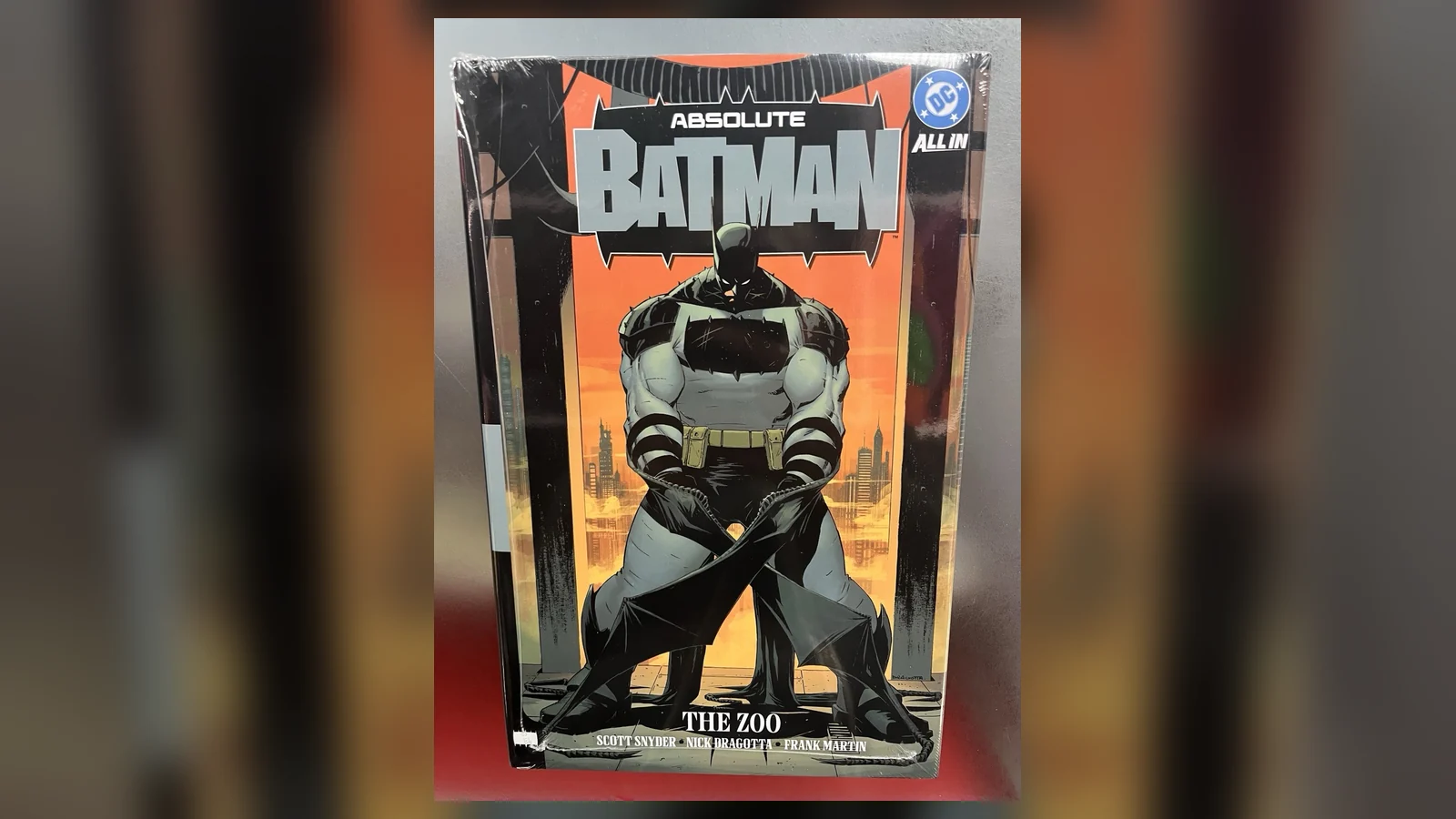
Straight in at Absolute Batman #1, or the first collection, Vol. 1: The Zoo, which gathers Absolute Batman #1–6. There’s no required DC reading whatsoever; the series is entirely self-contained, which is a large part of why it sold six million copies. For where it fits alongside the rest of the line, see our DC Absolute Universe reading order.
The series is currently published through issue #23 and remains ongoing. For Batman Day 2026, Scott Snyder and Nick Derington also wrote a new Absolute Batman story for the one-shot Batman of Two Worlds, paired alongside a separate mainstream Batman story — here’s exactly how that comparison works.
The bottom line
The question Snyder set himself was what’s left of Batman when you remove the money, the manor, the R&D department and the butler.
The answer the series keeps arriving at is: all of it. The willpower, the engineering mind, the refusal to stop, the empathy for people the city has written off. Take away the billions and you don’t get a lesser Batman — you get a clearer one, punching upward for once.
Make Red Reactions a preferred source
Choose Red Reactions as a preferred source in Google Search.
Confirm your choice on Google.
Related coverage
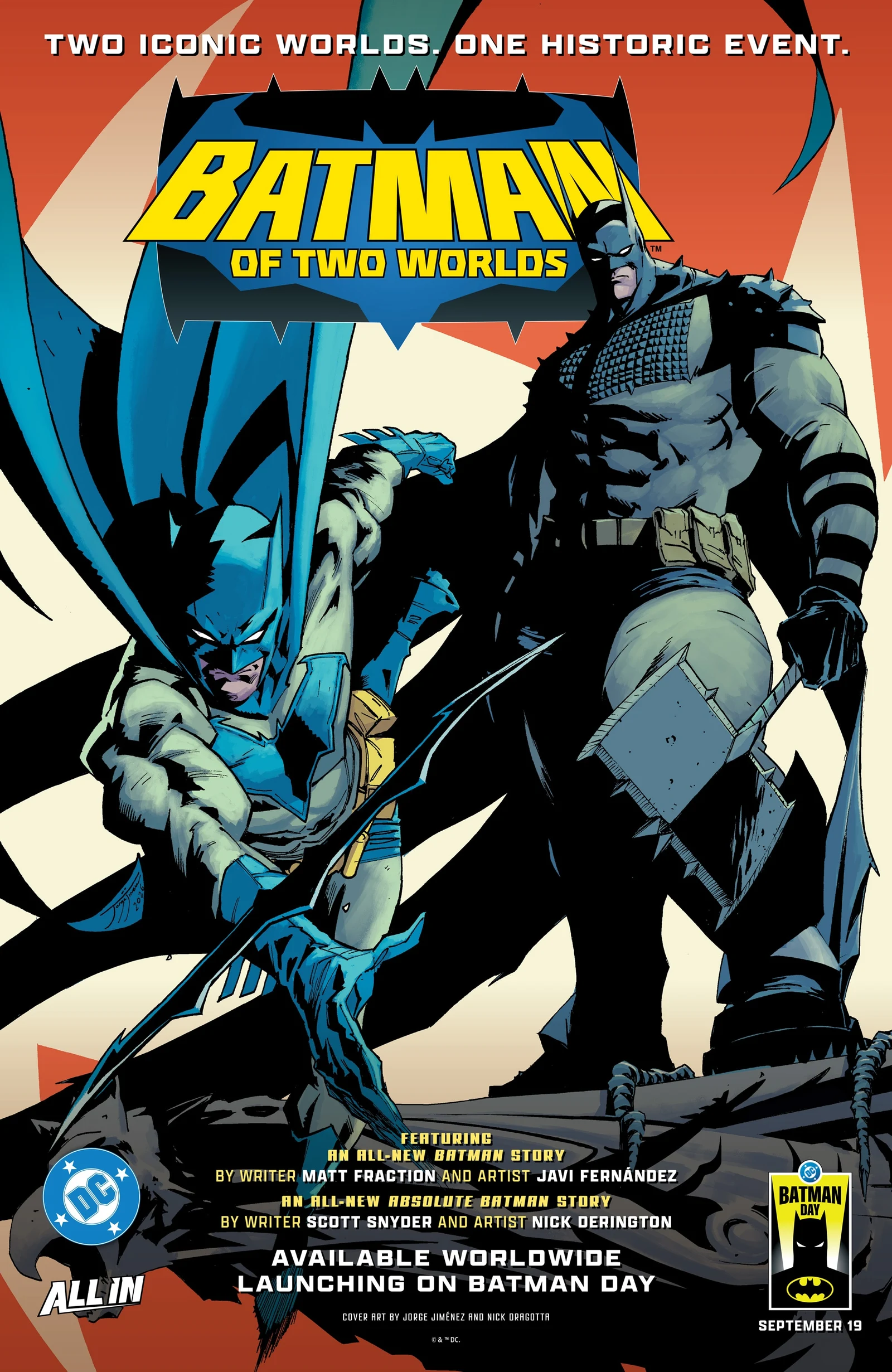
Batman of Two Worlds Explained — How Main DC Batman and Absolute Batman Solve the Same Crime
DC's Batman Day 2026 one-shot Batman of Two Worlds puts mainstream Batman and Absolute Batman in the same issue — but not the same story. Here's exactly how the comparison works, and whether the two Bruce Waynes actually meet.
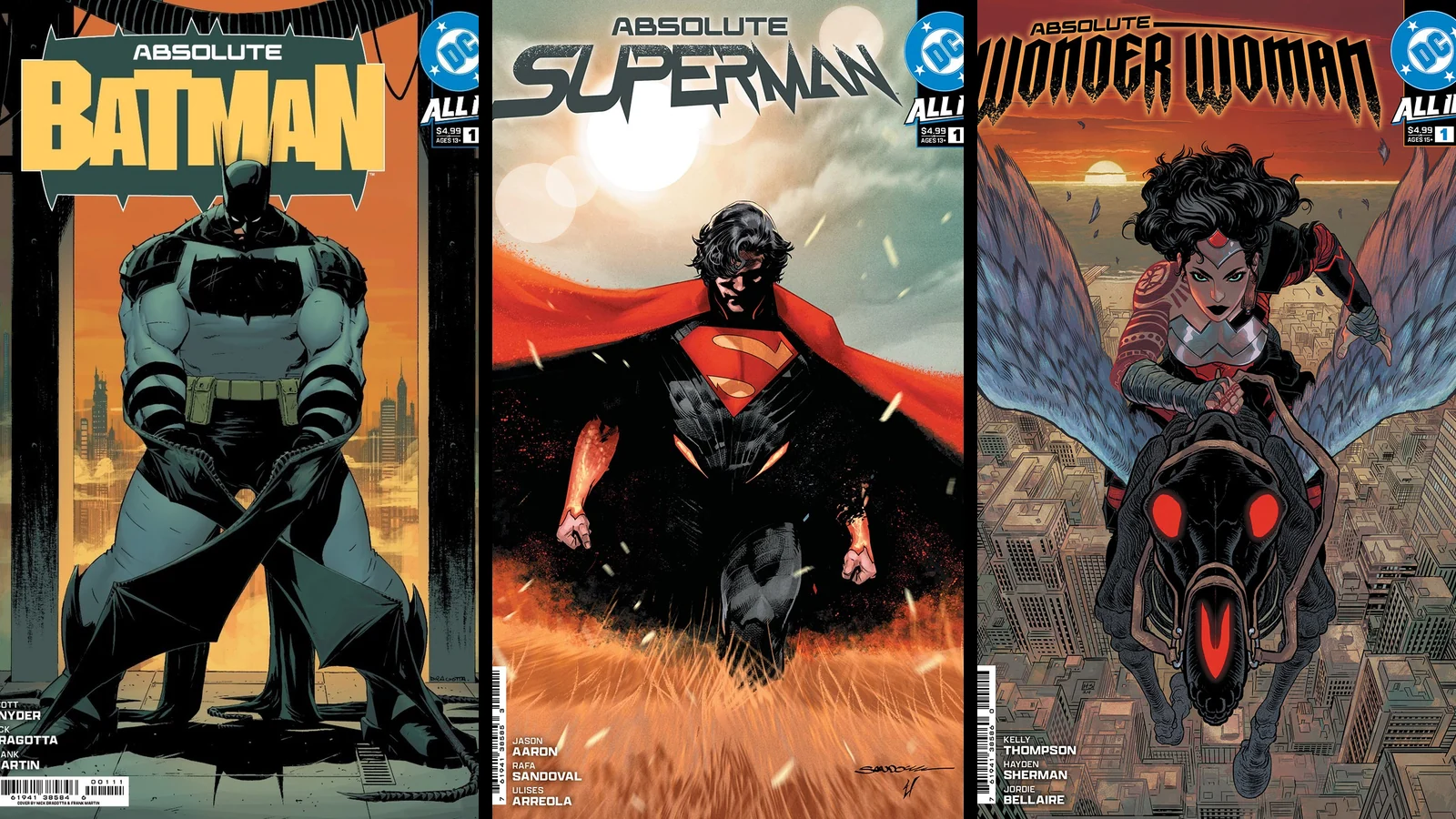
What Is DC's Absolute Universe? Everything You Need to Know
A parallel DC reality where Batman has no money, Superman has no Kansas, and Wonder Woman was raised in Hell. Here's how it works and where to start.
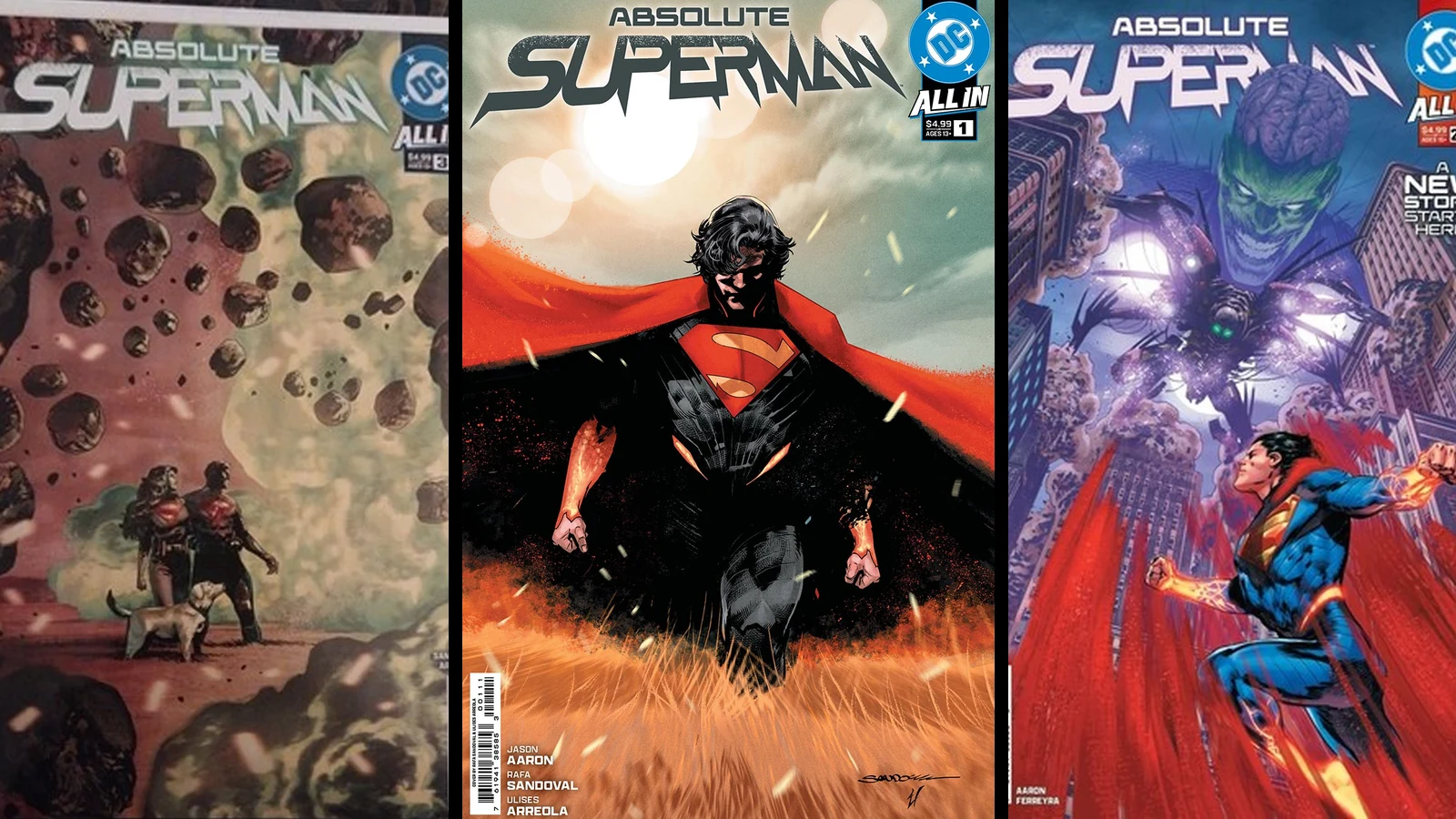
Absolute Superman Explained: Origin, Powers, and Every Major Change
No traditional Kent upbringing. No familiar Daily Planet setup. DC's Absolute Superman grew up on Krypton, arrived on Earth as an adolescent refugee, and rebuilt the Man of Steel from the ground up.
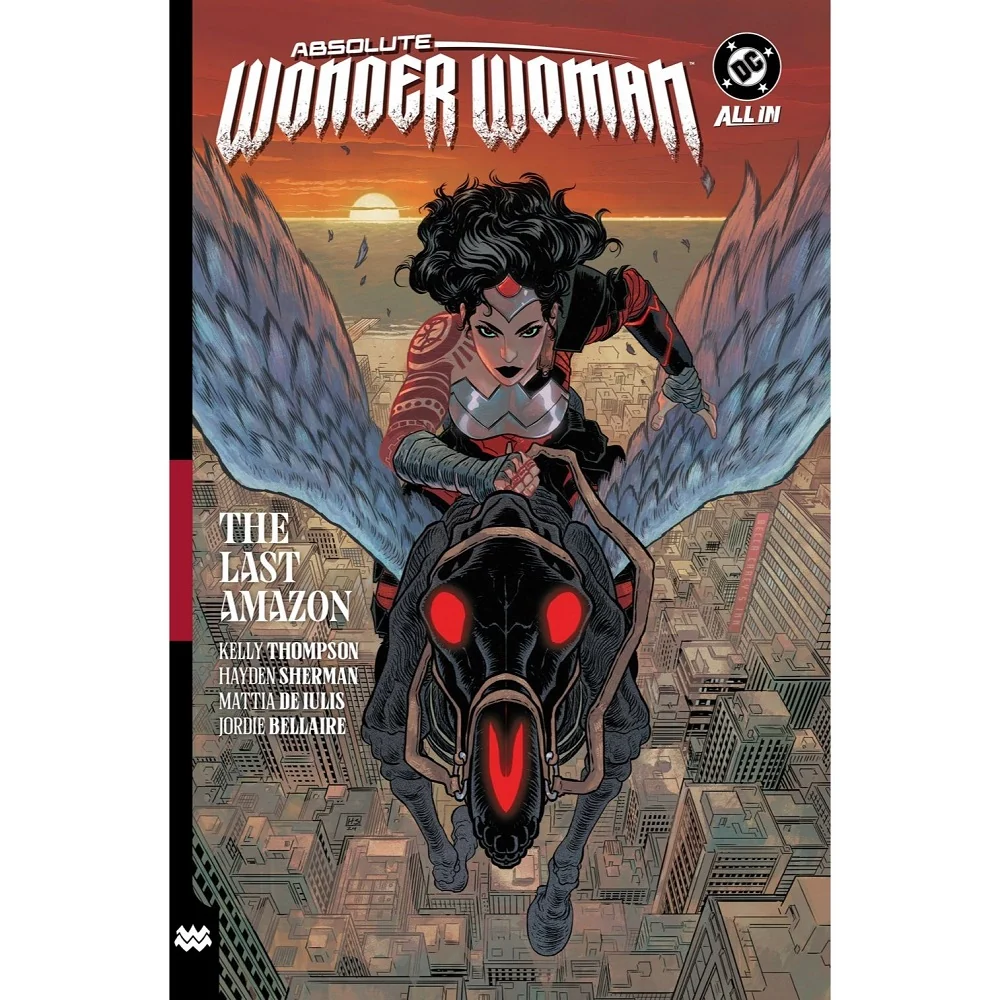
Absolute Wonder Woman Explained: DC's Darkest Reinvention of Diana
Raised in Hell by Circe and denied Themyscira and her sisterhood. The Eisner-winning reinvention of Wonder Woman, explained for new readers.
About the author
Aram Anwar
Founder & Editor
Aram Anwar founded Red Reactions and writes across comics, gaming, movies and television. His work includes franchise guides and large Lore / Explained features, with an emphasis on separating confirmed details from reports, theory and speculation.
Coverage: Comics · DC & Marvel · Gaming · Movies & TV · Lore / Explained · Guides
More from Aram Anwar