lore · comics
DC Next Level Explained: What It Is, Where to Start and How It Differs From the Absolute Universe
DC Next Level is a wave of new #1s set in DC's main continuity, not a separate reality like the Absolute Universe. Here's what's out, including the September 2 wave, and where to start.
 By Aram Anwar6 min read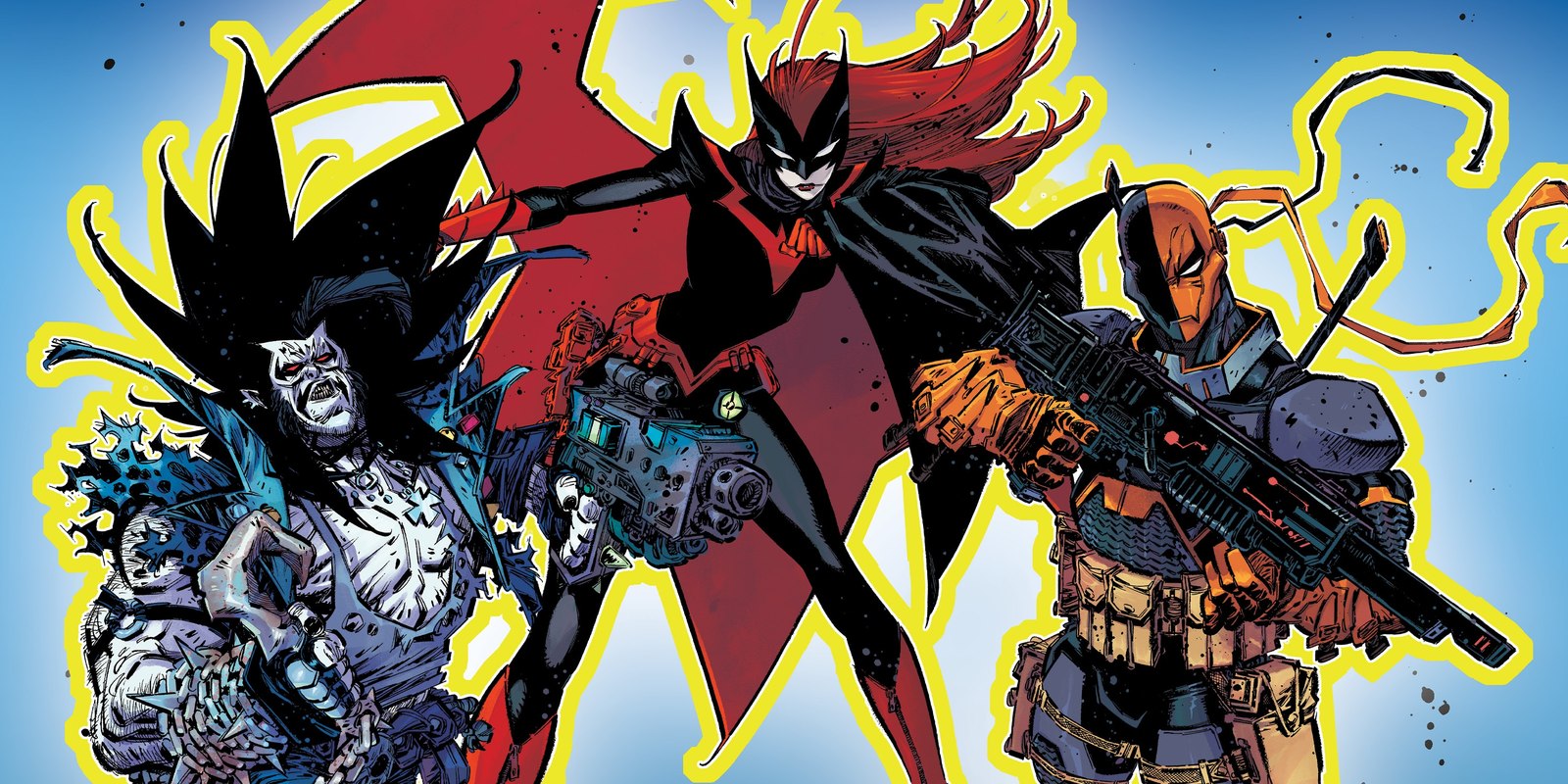
DC Next Level is a wave of new #1s, and the single most important thing to know about it is what it isn’t: it’s not a separate universe. Unlike the Absolute line, which runs on its own alternate Earth, DC has been explicit that Next Level books are set in continuity — the same DC Universe where Superman, Batman and Justice League Unlimited are still publishing. Think of it less as a new reality and more as a batch of approachable jumping-on points into the one DC already has.
Is Next Level a reboot?
No. Nothing about the main DC Universe has been erased or rewritten to make room for it. DC describes these books as “independent reads” that aren’t “heavily tied to other books” — meaning you can pick up Batwoman #1 without having followed Batwoman’s last several years of continuity in detail. But independent isn’t the same as disconnected: these characters carry their established history forward rather than starting from a blank slate the way an Absolute Universe character does.
DC All In, Next Level and the Absolute Universe — how they actually relate
All of this sits under one larger umbrella: DC All In, the publishing strategy Scott Snyder and Joshua Williamson have run since October 2024. As All In entered what DC calls its second act in 2026, DC described it as resting on three pillars: Next Level’s new #1s, the ongoing Absolute line, and DC’s evolving flagship titles like Batman and Wonder Woman.
Sharing an umbrella doesn’t mean sharing a universe. Here’s the distinction that actually matters:
| DC Next Level | Absolute Universe | |
|---|---|---|
| Continuity | Main DC continuity | Separate reality, its own Earth |
| New-reader friendly | Yes | Yes |
| Existing character history | Carries forward, but #1s minimize what you need to know | Reimagined from the ground up |
| Part of DC All In | Yes | Yes |
| Must read every title? | No | No |
If you want new-reader-friendly books that still count toward the Superman and Batman you already know, that’s Next Level. If you want the same characters rebuilt from scratch on a different Earth, that’s Absolute — our Absolute Universe explainer and Absolute Universe reading order cover that line specifically.
Do you need to read DC K.O. first?
Mostly no. Next Level launched as All In’s second act began, right after DC’s DC K.O. event concluded on March 4, 2026, and DC itself notes that Next Level books “stay true to the characters as they’ve appeared in DC All In and DC K.O.” — meaning some status quo details carry over. But that’s context, not a prerequisite. DC built these specifically as jumping-on points, and nothing about the initiative requires reading DC K.O. first. If a specific issue leans harder on recent continuity, it’ll typically make that clear within the first few pages rather than assuming you already know it.
Which Next Level books are already out
The line launched with three titles. DC’s original December 2025 announcement listed staggered dates through March — Lobo on March 4, Batwoman on March 11, Deathstroke on March 18 — but Lobo slipped, and all three actually debuted together:
- Lobo #1 and Batwoman #1 and Deathstroke: The Terminator #1 — all released March 18, 2026. Lobo is written by Skottie Young with art by Jorge Corona; Batwoman by Greg Rucka with art by DaNi; Deathstroke: The Terminator by Tony Fleecs with art by Carmine Di Giandomenico.
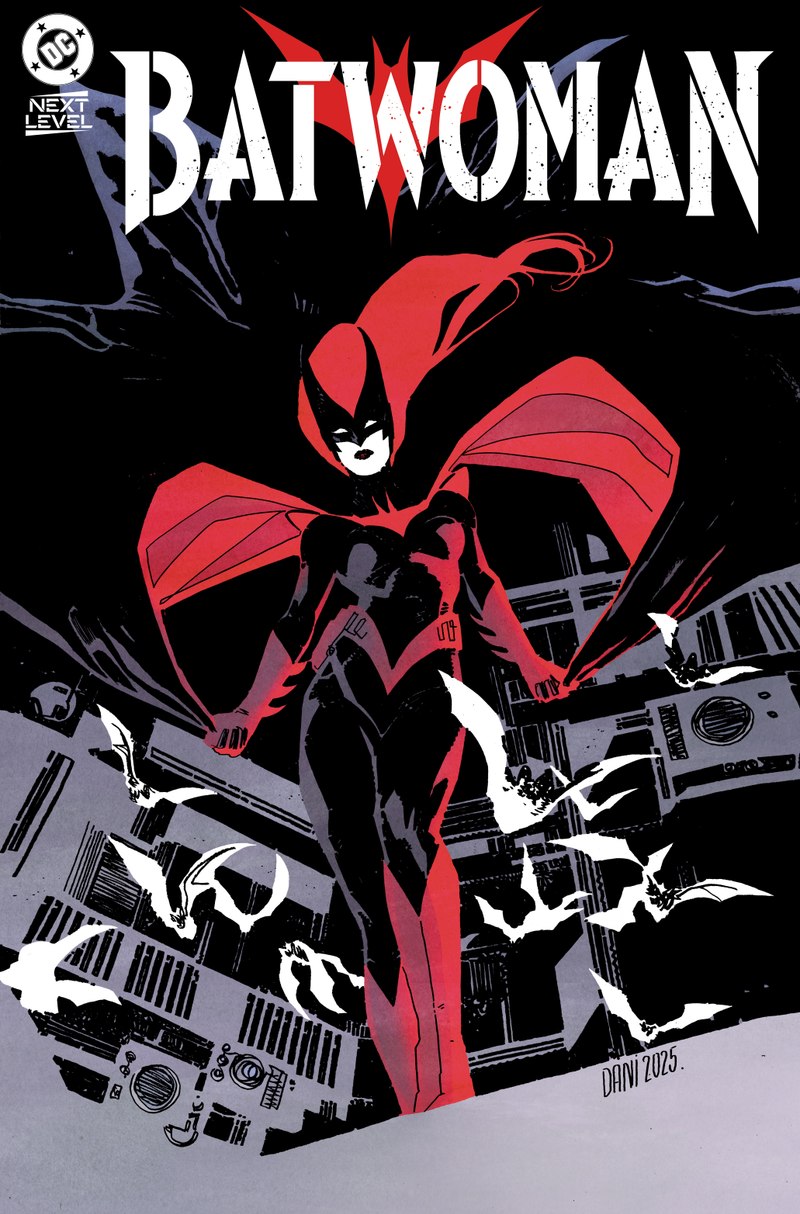
Batwoman #1 — one of the three books that opened DC Next Level on March 18, 2026. Credit: DC.
More titles followed through the spring and summer:
- The Fury of Firestorm #1 — April 8, 2026, by Jeff Lemire and Rafael de Latorre
- Zatanna #1 — April 29, 2026
- Barbara Gordon: Breakout #1 — May 13, 2026, by Mariko Tamaki and Amancay Nahuelpan
- The Deadman #1 — June 3, 2026, by W. Maxwell Prince and Martín Morazzo
There’s also Next Level: One Shot #1, released August 19, 2026 by Gerry Duggan and Fernando Blanco. It centers on Deadshot investigating a Cadmus conspiracy that touches the wider Next Level cast, and it’s genuinely connective tissue rather than a single character’s story — worth reading if you’re following more than one Next Level book and want to see how they relate, but not required for any individual series on its own.
The September 2 wave: Teen Titans, Legion and Doom Patrol
Three more Next Level books joined the line on September 2, 2026, all bringing back long-dormant DC teams with new lineups:
Legion of Super-Heroes #1 — Joshua Williamson and Hayden Sherman. Set a thousand years in the future, superheroes are outlawed and enforced against by the Persuaders. After R.J. Brande is murdered, DC describes a mysterious figure called “Brainiac 1 of 5” as the one who has to solve the murder and assemble a new legion of young rebels from across the United Planets to restore hope.
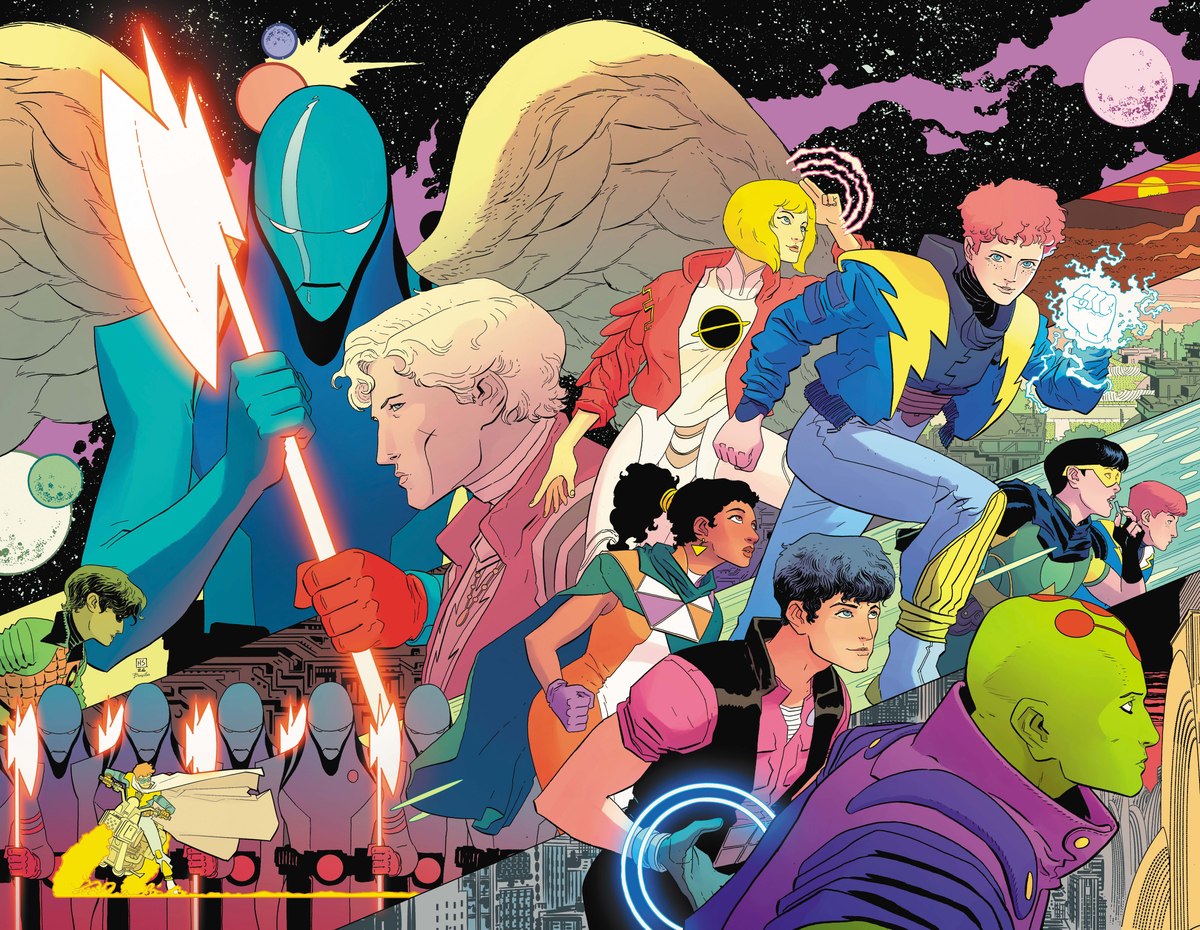
Legion of Super-Heroes #1 — a fresh future-set entry point, not a continuation of any prior Legion continuity. Credit: DC.
Teen Titans #1 — Kyle Higgins and Daniele Di Nicuolo. A new young lineup — Fairplay, Cheshire Cat, Proxy and Wildcard — teams up with Red Hood (Jason Todd) after a member disappears at an “Ascend” rally. Worth being precise here: this is a different book from New Titans, DC’s ongoing series starring the classic Nightwing/Starfire/Cyborg/Raven lineup. Same “Titans” name, different team, different book.
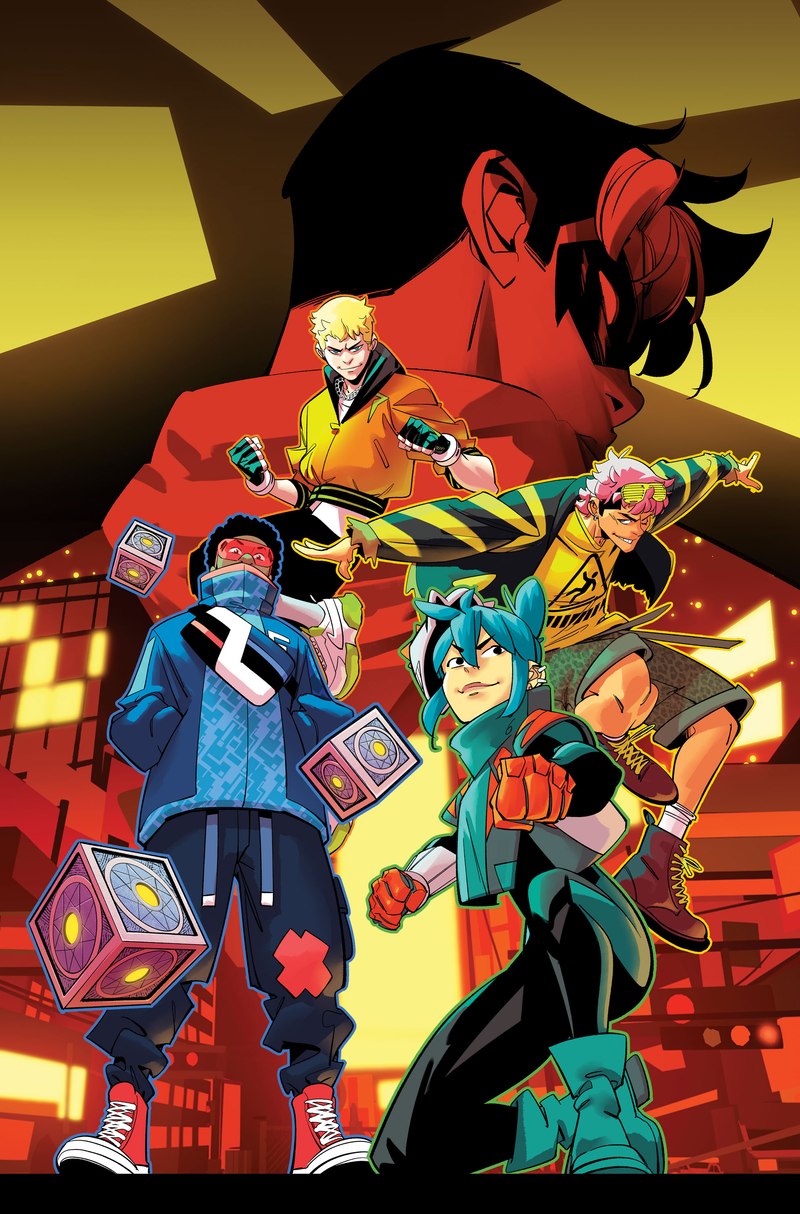
Teen Titans #1 — a new young lineup, not the same book as DC’s ongoing New Titans series. Credit: DC.
The Doom Patrol #1 — Darcy Van Poelgeest and Niko Henrichon. Robotman, Elasti-Girl and Negative Man are broke and start operating as heroes-for-hire, with what looks like a simple missing-cat case turning into something much stranger.
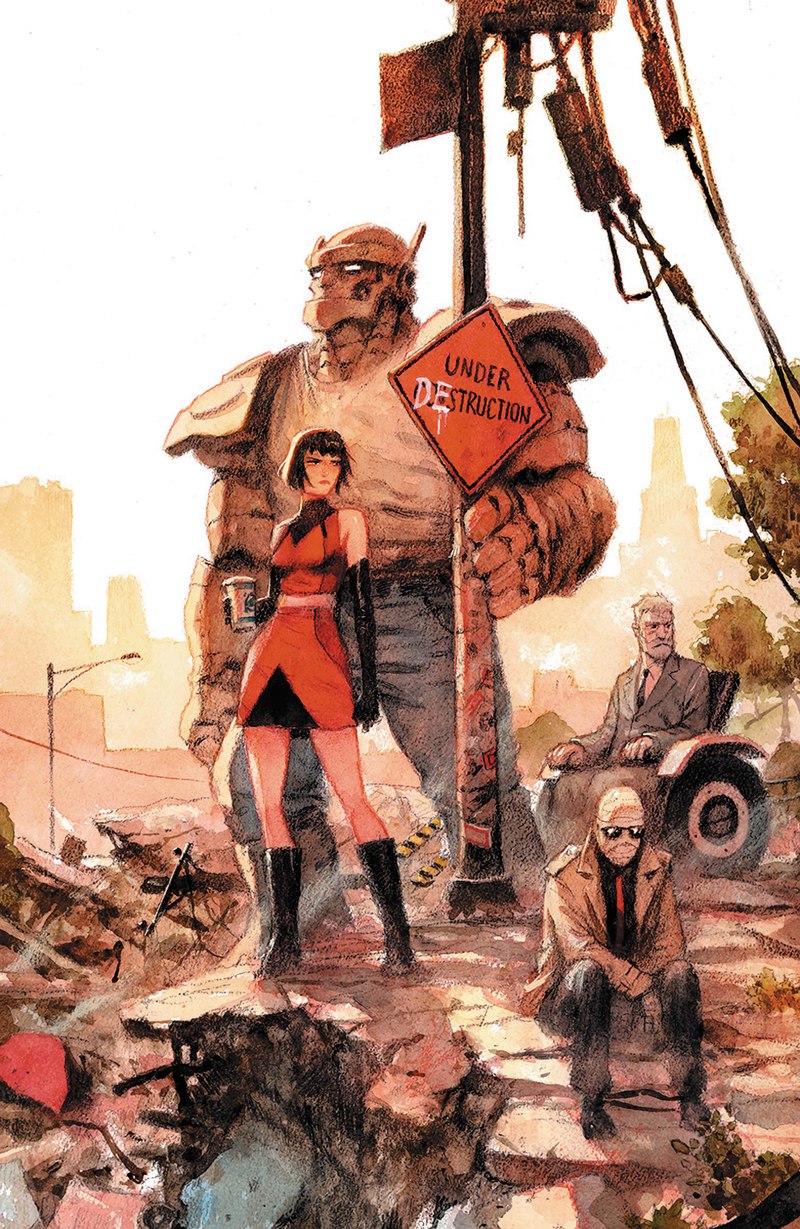
The Doom Patrol #1 — a deliberately accessible new status quo for Robotman, Elasti-Girl and Negative Man. Credit: DC.
Where should a beginner start?
There’s no mandatory order here — these aren’t chapters of one story, they’re separate ongoing series that happen to share a continuity and a launch initiative. Pick based on what you actually want to read:
- Want Batman/Gotham? Batwoman or Barbara Gordon: Breakout.
- Want violent action and antiheroes? Deathstroke or Lobo.
- Want magic and horror? Zatanna or The Deadman.
- Want classic superhero sci-fi? The Fury of Firestorm.
- Want cosmic, far-future team sci-fi? Legion of Super-Heroes.
- Want younger team heroes? Teen Titans.
- Want something stranger? The Doom Patrol.
If you want the strongest newcomer starts specifically, Batwoman, Legion of Super-Heroes and The Doom Patrol are the most self-contained of the group — each opens with a clear new status quo that doesn’t lean on much prior reading to follow.
Do you need to read all of them?
No. That’s true of the whole initiative the same way it’s true of the Absolute line: these are separate #1s you can enter individually, not a single serialized event. Reading one Next Level book doesn’t obligate you to read the others, and skipping Zatanna won’t leave you lost in Deathstroke. Pick the character or genre that interests you, start at #1, and treat the rest of the line as something to explore later if you want more.
Sources
Make Red Reactions a preferred source
Choose Red Reactions as a preferred source in Google Search.
Confirm your choice on Google.
Related coverage
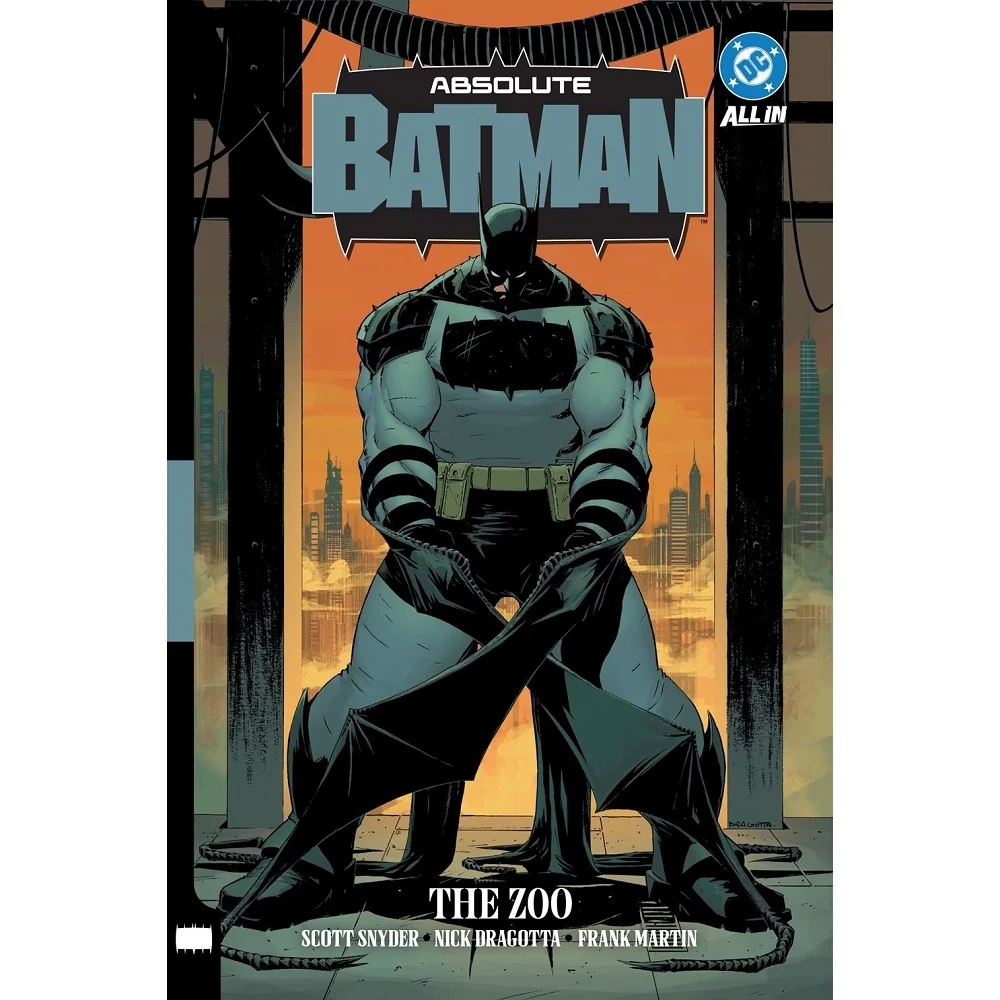
DC Absolute Universe Reading Order: Where to Start With Batman, Superman, Wonder Woman and More
The practical DC Absolute Universe reading order for 2026: where to start, which books connect, what is optional, and the easiest collected-edition route.
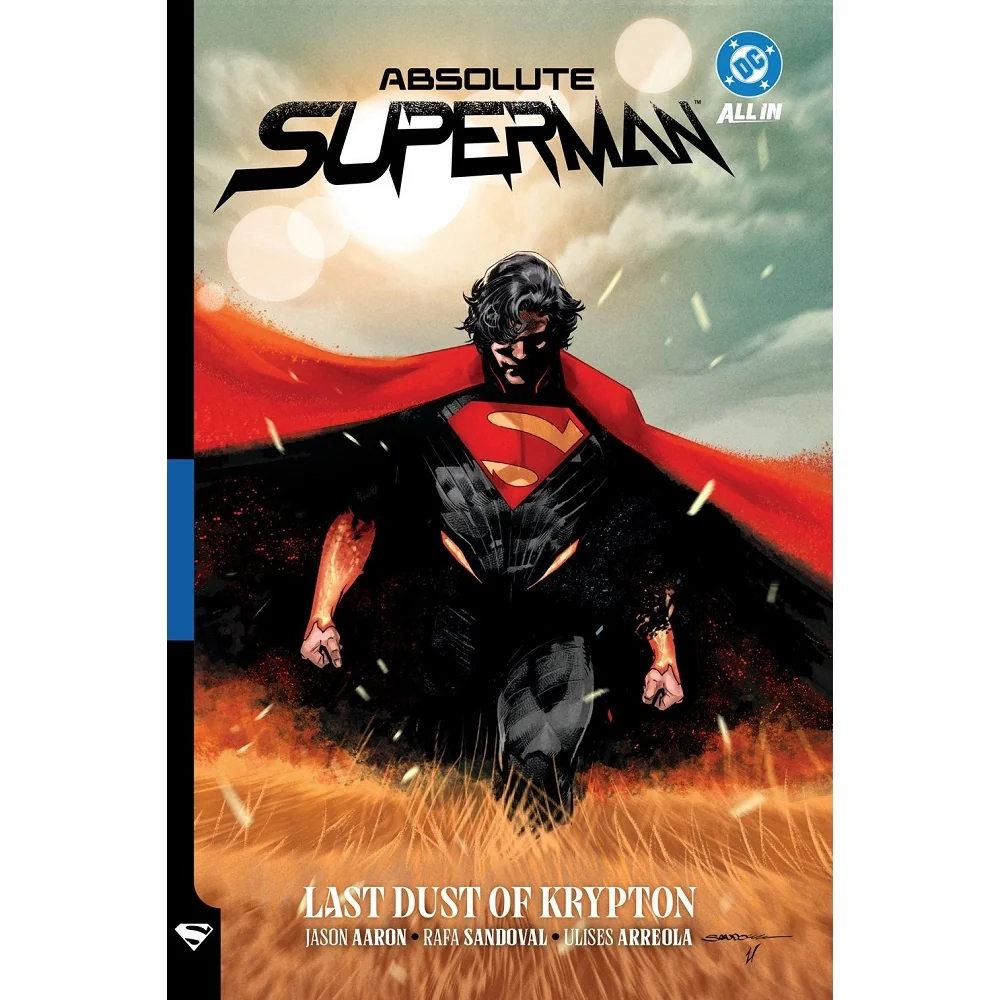
Absolute Superman Powers Explained: How His Suit, Cape and Solar Energy Work
Absolute Superman still has strength, flight and heat vision, but his solar reserves, Sunstone cape and Sol-powered suit make his abilities work very differently.
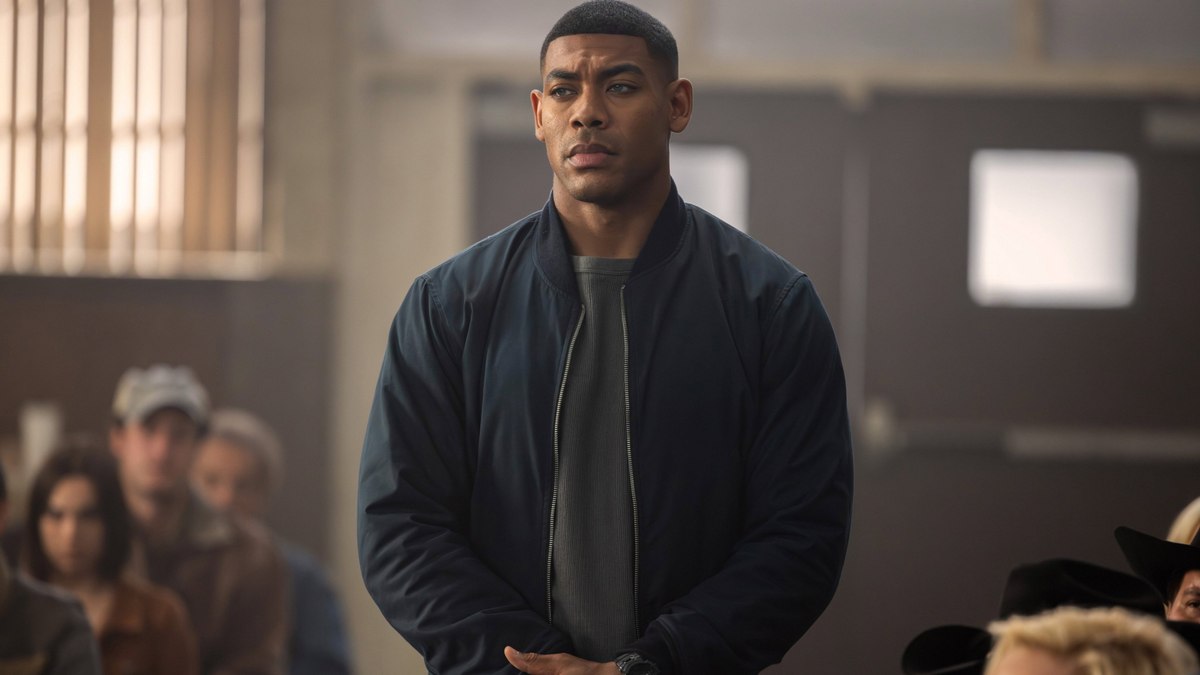
John Stewart Explained: Green Lantern Origin, Powers and How Lanterns Changed His Story
John Stewart's real comic-book history — architect, Marine, Hal Jordan's alternate, the third human Green Lantern — and how HBO's Lanterns rewrites his origin around his parents.
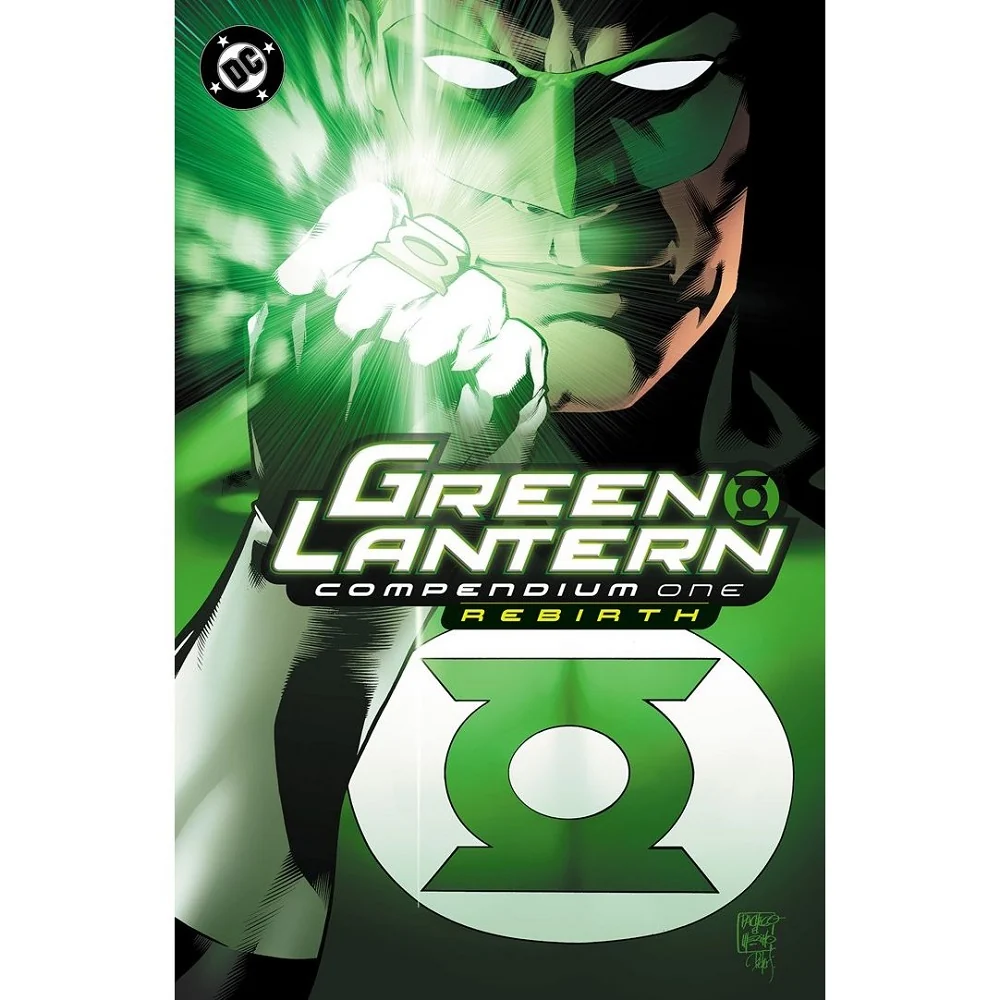
Who Are the Manhunters in DC? Green Lantern's Robot Predecessors Explained
Before the Green Lantern Corps, the Guardians built the Manhunters. Here's who DC's robot police are, what happened in Sector 666, how they created Atrocitus' rage, and how HBO's Lanterns is using them.
About the author
Aram Anwar
Founder & Editor
Aram Anwar founded Red Reactions and writes across comics, gaming, movies and television. His work includes franchise guides and large Lore / Explained features, with an emphasis on separating confirmed details from reports, theory and speculation.
Coverage: Comics · DC & Marvel · Gaming · Movies & TV · Lore / Explained · Guides
More from Aram Anwar