lore · movies
Who Is Doctor Doom? Marvel's Greatest Villain Explained
A monarch, a sorcerer, and a genius who blames someone else for his own mistake. Everything you need to know about Doctor Doom before Avengers: Doomsday.
 By Aram Anwar7 min read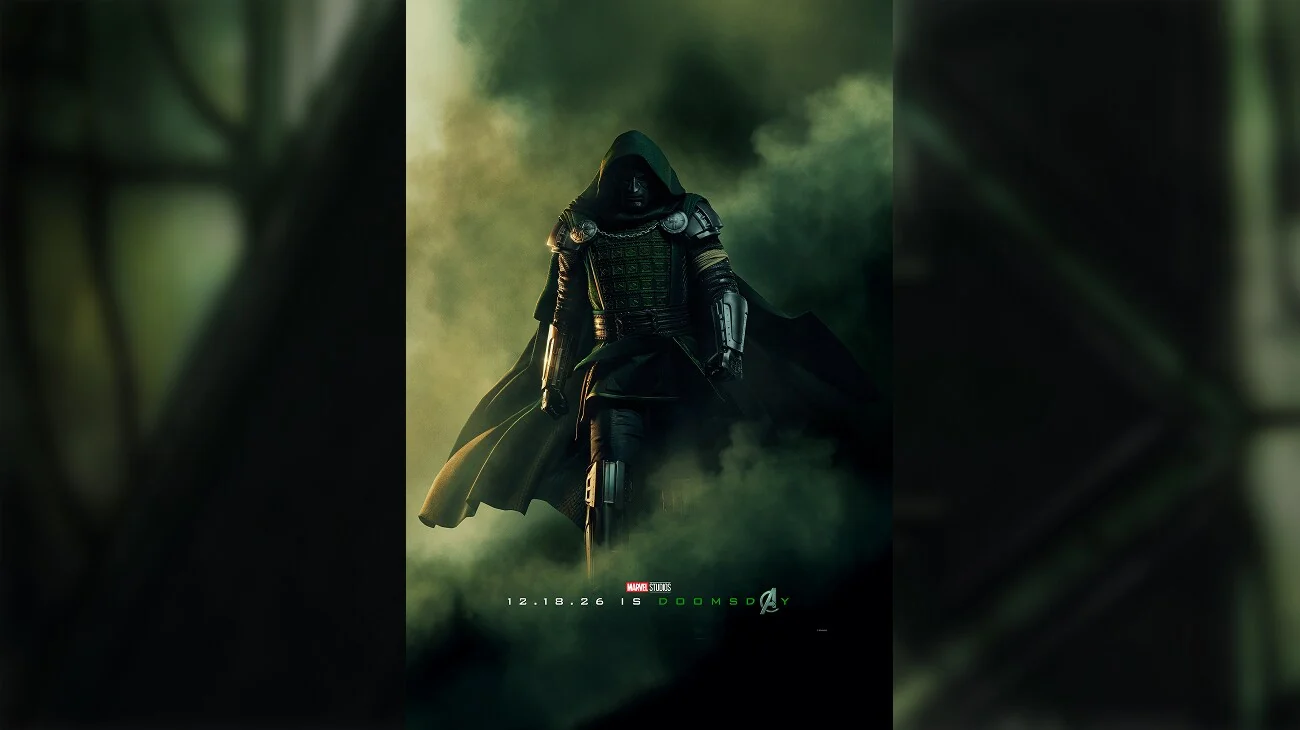
The best line in the new Avengers: Doomsday trailer isn’t a threat. It’s a diagnosis.
Vanessa Kirby’s Sue Storm, warning a room full of heroes about what’s coming: I knew he was lost, but I did not realize that he was broken.
That’s a more accurate summary of Doctor Doom than most of the sixty years of comics behind him. Victor von Doom is not a man who wants to watch the world burn. He’s a man who is certain he could run it better, who has convinced himself that his one catastrophic mistake was somebody else’s fault, and who has built a life, a country and a suit of armour around never having to admit otherwise.
The trailer premiered publicly at D23 on August 14, 2026, ahead of the film’s December 18 release. Here’s who he actually is — and if you want the practical version of what else to watch first, see our Avengers: Doomsday watch order.
The short version
Victor von Doom is the absolute monarch of Latveria, a small fictional European nation, and the ruler of its capital, Doomstadt. He is simultaneously one of the smartest people on Earth and one of its most accomplished sorcerers — a combination almost no other Marvel character has.
He’s also a head of state, which is the part people underrate. Doom holds diplomatic immunity. Heroes can’t simply arrest him; doing so on Latverian soil would be an act of war. He fights the Avengers with international law as often as with plasma cannons.
Created by Stan Lee and Jack Kirby, he first appeared in Fantastic Four #5 in 1962 — kidnapping Sue Storm and sending the rest of the team back in time after Blackbeard’s treasure.
The origin, and the mask
Doom was born in Latveria to a persecuted Romani community. His mother, Cynthia, was a witch who struck a bargain with the demon Mephisto to free her people; it went wrong, killed her, and damned her soul. His father Werner, a healer, was summoned to treat the local monarch’s dying wife, failed, and fled into the mountains with his son — freezing to death keeping the boy warm.
Victor found his mother’s hidden chest of mystical artefacts, taught himself science alongside sorcery, and won a scholarship to State University in New York. There he met Reed Richards.
Doom built a machine to reach his mother’s soul in the afterlife. Reed looked over the equations and told him there was an error in them. Doom, insulted, ran the experiment anyway. It exploded.
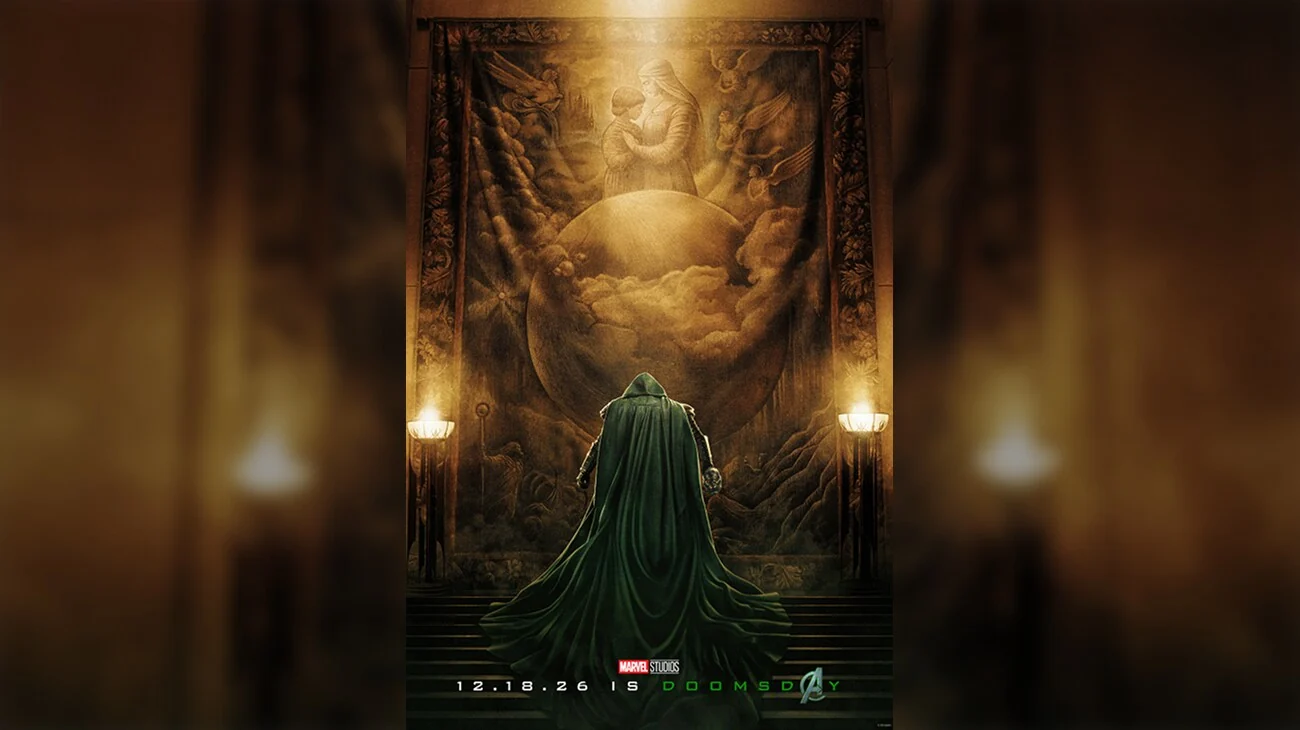
The exact severity of that original injury has varied between retellings. One influential interpretation is that the accident left only a relatively minor scar — a cut on the cheek — which Victor’s obsessive vanity treated as catastrophic. Expelled and humiliated, he travelled to a Tibetan monastery, took over the order, and had them forge him a suit of armour and an iron mask. Then, impatient, he ordered them to press the mask onto his face before it had cooled, causing far worse damage than the explosion ever had.
Whatever the laboratory did to his face, the mask is the part he chose. Doom’s inability to tolerate any imperfection in himself is the engine of the whole character, and it’s a detail film adaptations have tended to leave out.
Why he hates Reed Richards
Because Reed was right.
Doom’s ego cannot accommodate the possibility that his own arithmetic destroyed his laboratory, his face and his future. So he decided Reed had sabotaged the machine out of jealousy — and has spent six decades operating on that premise.
What sustains it is subtler. Reed matches Doom intellectually without needing worship for it. He has a family, colleagues who like him, a life. Doom reads that as hypocrisy, because the alternative is accepting that brilliance doesn’t entitle you to rule anyone.
And Reed doesn’t hate him back. Reed pities him — sees a wasted mind — which infuriates Doom more than any punch. Doom doesn’t want Mister Fantastic dead. He wants Mister Fantastic to say out loud that Doom is the better man.
For the full breakdown, see why Doctor Doom hates Reed Richards.
Science and sorcery
Most Marvel characters pick a lane. Doom refuses.
The technology: powered armour granting superhuman strength and durability, force fields, concussive blasts from the gauntlets, flight, and — famously — a working time machine, which he’d built by 1962, well before most of Marvel’s time-travel infrastructure existed. His Doombot duplicates carry copies of his own neural patterns, and are convincing enough that a Doombot operating alone genuinely believes it’s him.
The magic: inspired by his mother Cynthia’s mystical legacy and developed through years of study and training. Eldritch shields, dimensional portals, demon summoning, astral projection. For years, Doom challenged the forces of Hell every Midsummer’s Eve in an attempt to free Cynthia’s soul, and failed every time — until Doctor Strange & Doctor Doom: Triumph and Torment (1989), where he finally frees her by deliberately provoking her disgust, so that her rejection of him purifies her.
His standing as a sorcerer has since gone further, and then unravelled. During Blood Hunt (2024), Doctor Strange reluctantly transferred the Sorcerer Supreme mantle to Doom so he could help end the vampire crisis. Doom then refused to give it back, and used that power through One World Under Doom. After Doom’s fall, Wanda Maximoff became Sorcerer Supreme of Earth.
Latveria, and how powerful he actually is
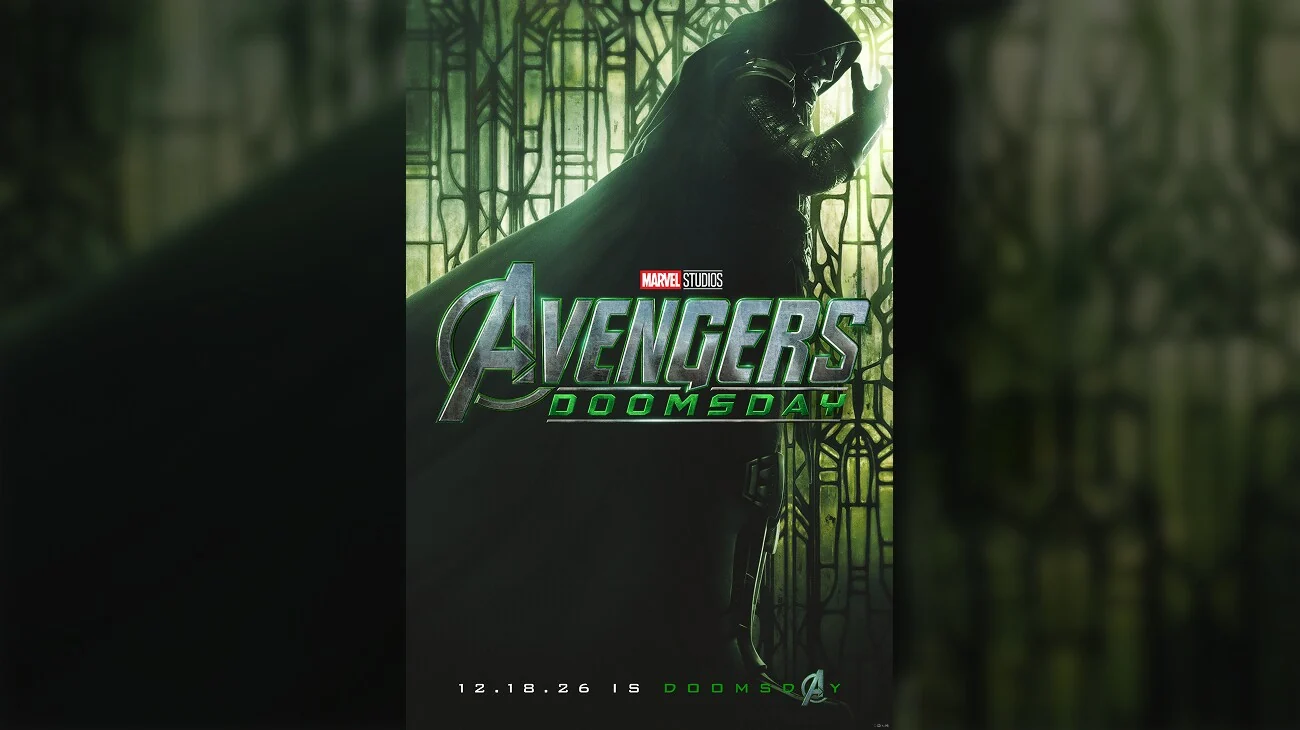
Latveria is the reason Doom works as a character. Some stories portray his Latveria as materially stable, with advanced technology and social benefits that make his rule genuinely attractive to parts of the population. That comes with the other half of the bargain: authoritarian government, surveillance, no meaningful political opposition and brutal consequences for defiance.
He doesn’t consider himself a tyrant. He considers himself a father. In Doomwar (2010), the Wakandan deity Bast examined his soul and granted him access to vibranium — because Doom genuinely, sincerely believes his rule is the only thing that can save humanity from itself.
On power level, one distinction matters. Baseline Doom is a mortal man in armour who can credibly threaten the Avengers. He has also, on rare occasions, briefly become something else: stealing the Silver Surfer’s Power Cosmic, siphoning Galactus and the Beyonder in the original Secret Wars (1984), and — in Jonathan Hickman’s Secret Wars (2015) — working with Doctor Strange and Molecule Man to bring down the Beyonders, harnessing their power to build a patchwork reality called Battleworld, and reigning over it as God Emperor Doom for eight years.
Even then he couldn’t fix his own face without giving up control. That’s the character in one image.
Where the MCU stands
Confirmed: Robert Downey Jr. plays Victor von Doom, announced at San Diego Comic-Con in July 2024. Joe and Anthony Russo direct. Avengers: Doomsday opens December 18, 2026; Avengers: Secret Wars follows on December 17, 2027, after Disney moved it from its previous May 7, 2027 release date.
Marvel’s synopsis puts heroes from three distinct universes on a collision course, and the cast reflects it: the Avengers, Pedro Pascal’s Fantastic Four, and a substantial contingent of Fox-era X-Men including Patrick Stewart, Ian McKellen, Rebecca Romijn, James Marsden and Alan Cumming.
The D23 trailer shows Doom commanding Sentinels, facing Reed in rubble, and blocking Thor’s Stormbreaker before blasting him with green energy.
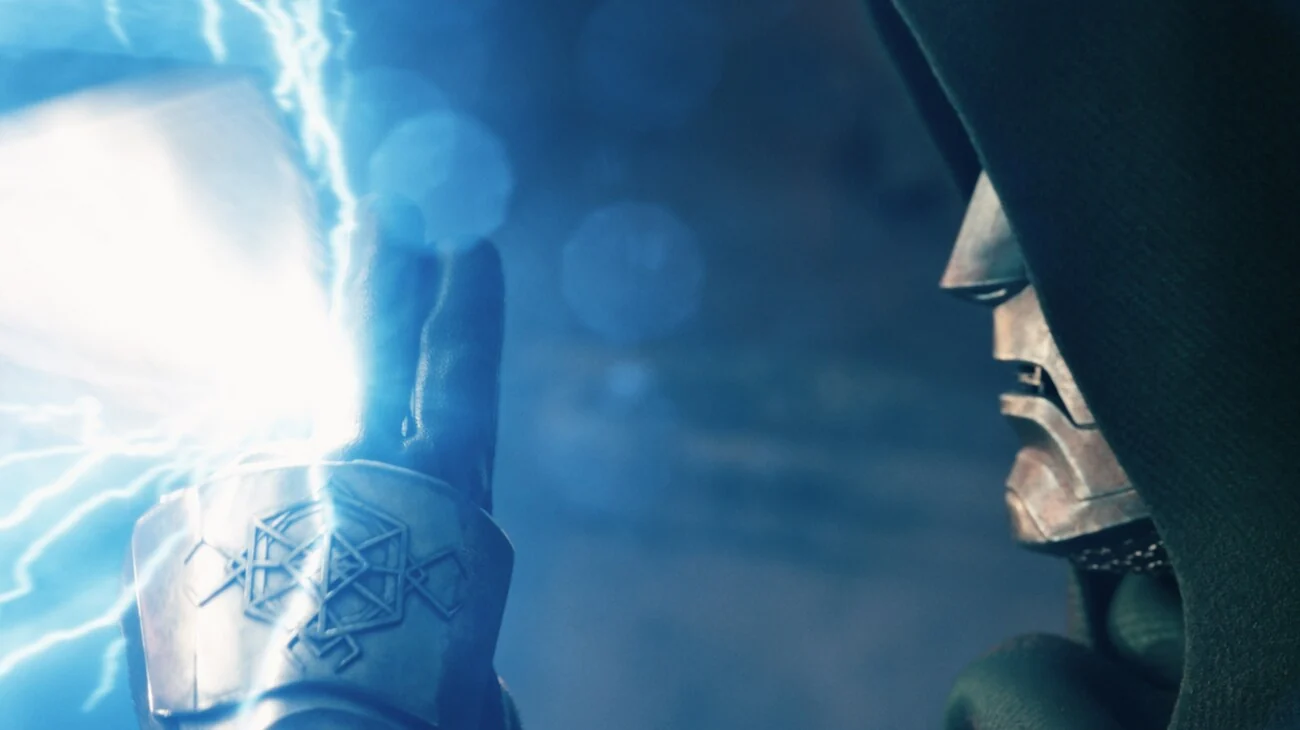
Not confirmed: whether this Doom is a Tony Stark variant or a separate man who happens to share a face. Whether Latveria exists in the MCU. Whether he comes from the main timeline, the retro-futuristic world of The Fantastic Four: First Steps, or somewhere else entirely. Marvel has said none of it.
The bottom line
Doom endures because he’s the rare villain whose logic almost works. He is genuinely brilliant, and genuinely convinced he’s the hero. The flaw isn’t malice — it’s that he would rather rule the world than admit he was wrong about one equation.
Sue Storm’s line is right. He isn’t lost. He’s broken, and he built an empire so he’d never have to notice.
Make Red Reactions a preferred source
Choose Red Reactions as a preferred source in Google Search.
Confirm your choice on Google.
Related coverage
Avengers: Doomsday Watch Order — What You Actually Need to Watch Before the Movie
Not a 40-film homework list. Here's the minimum route into Avengers: Doomsday, what's worth adding for the Fantastic Four and X-Men context, and what's genuinely optional.
Marvel Incursions Explained: How Universes Collide and Why They Matter for Secret Wars
Two Earths, eight hours, and one impossible choice. Here's how Marvel's incursions actually work in the comics, how the MCU has already used the term, and what's confirmed for Doomsday and Secret Wars versus comic-book precedent.
Battleworld Explained: Doctor Doom's Secret Wars World and How It Actually Works
One planet built from hundreds of dead universes, ruled by a god who used to be a man. Here's how Battleworld actually functions, why it isn't the same thing as 1984's Battleworld, and what the MCU has and hasn't confirmed.
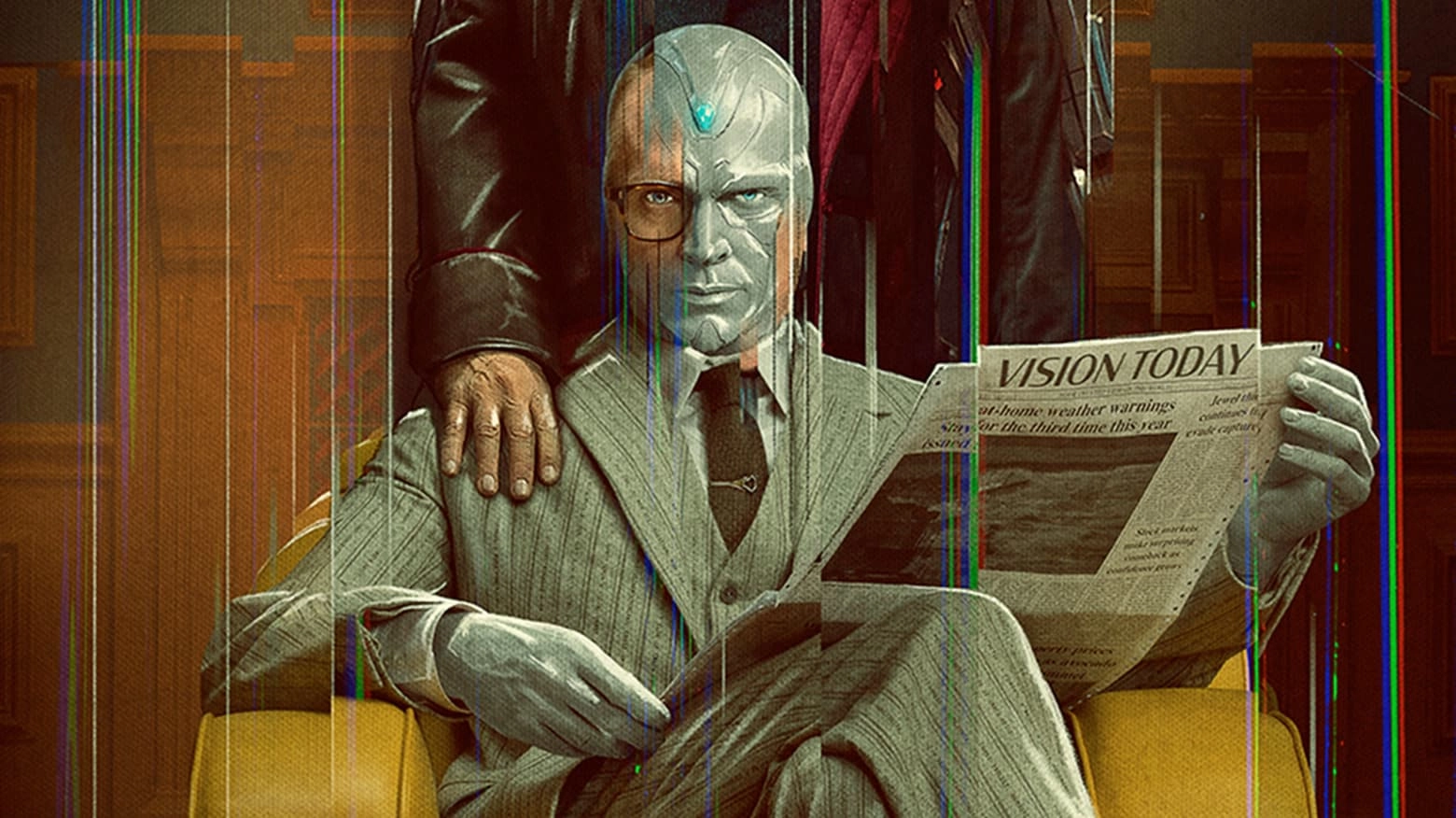
Jocasta Explained: Her Ultron Origin, Powers and VisionQuest Connection
Ultron built her to be his bride, using the Wasp's own brain patterns. She helped destroy him instead. Here's who Jocasta actually is, and what Marvel has confirmed about T'Nia Miller's VisionQuest version.
About the author
Aram Anwar
Founder & Editor
Aram Anwar founded Red Reactions and writes across comics, gaming, movies and television. His work includes franchise guides and large Lore / Explained features, with an emphasis on separating confirmed details from reports, theory and speculation.
Coverage: Comics · DC & Marvel · Gaming · Movies & TV · Lore / Explained · Guides
More from Aram Anwar