lore · comics
Every Lantern Corps Explained: Colors, Emotions and Powers of DC's Spectrum
Green, Yellow, Red, Orange, Blue, Indigo and Violet — plus Black, White, Ultraviolet and the stranger exceptions. Every major Lantern color in DC explained.
 By Aram Anwar17 min read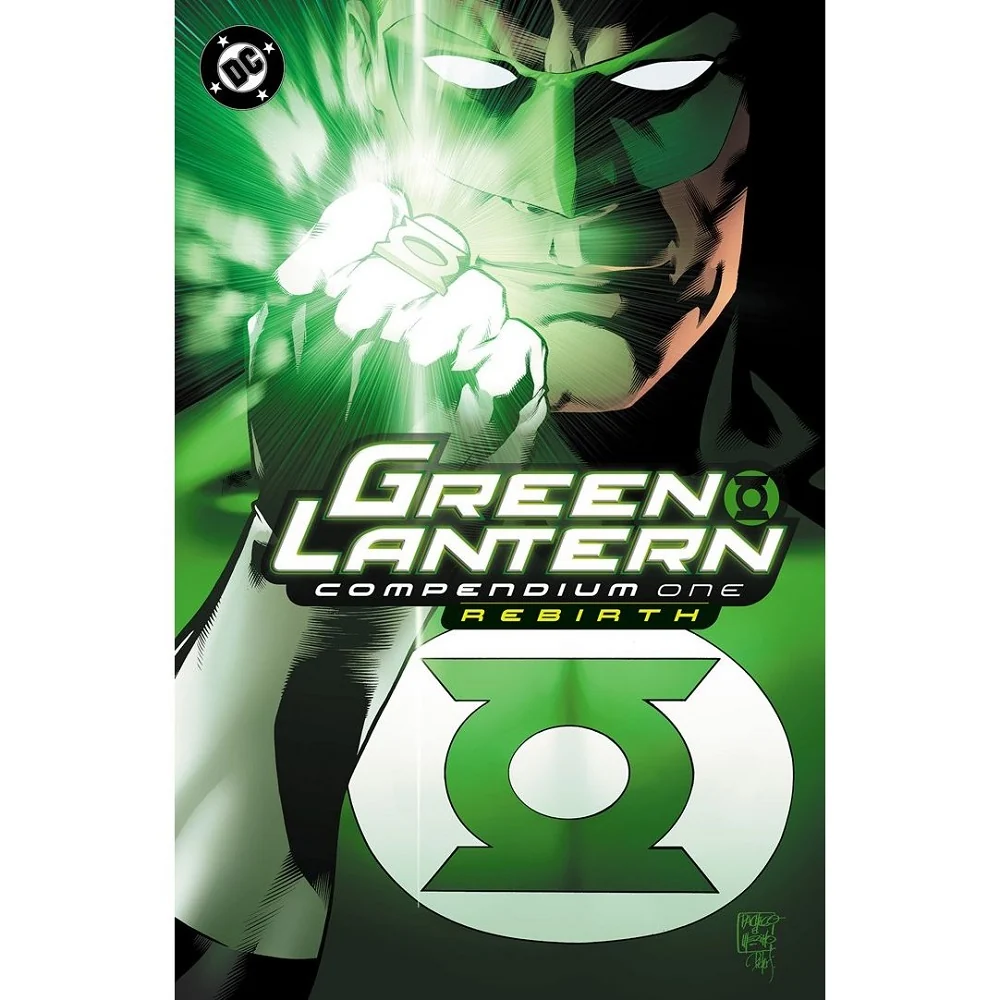
Green Lantern lore gets confusing the moment somebody says there are “nine Lantern Corps,” because DC’s color system is not actually nine equal teams lined up in a rainbow.
The core Emotional Spectrum has seven colors: Green for willpower, Yellow for fear, Red for rage, Orange for avarice, Blue for hope, Indigo for compassion and Violet for love. Black and White sit outside that seven-color emotional system as forces associated with death and life. Then DC added stranger cases such as the Ultraviolet Corps, the Phantom Ring, Gold Lantern and, more recently, Fractal Lanterns.
That distinction matters. A character wearing a different-colored ring does not automatically mean DC has created a permanent new Corps.
Here is the clean version.
| Color | Emotion or force | Main group | Key figure |
|---|---|---|---|
| Green | Willpower | Green Lantern Corps | Hal Jordan / John Stewart |
| Yellow | Fear | Sinestro Corps | Sinestro |
| Red | Rage | Red Lantern Corps | Atrocitus |
| Orange | Avarice | Usually Larfleeze alone | Larfleeze |
| Blue | Hope | Blue Lantern Corps | Saint Walker |
| Indigo | Compassion | Indigo Tribe | Indigo-1 |
| Violet | Love | Star Sapphires | Carol Ferris |
| Black | Death | Black Lantern Corps | Black Hand / Nekron |
| White | Life | White Lanterns | Kyle Rayner |
DC itself has described the main spectrum as seven emotional colors, with Green in the middle and the other Corps drawing from their own emotional light. The modern version of that mythology was largely codified during Geoff Johns’ Green Lantern run and the build toward Blackest Night. DC’s own overview of the Lantern universe uses that same seven-color framework.
What Is the Emotional Spectrum?
The Emotional Electromagnetic Spectrum is cosmic energy tied to sentient emotion. The Green Lantern mythos treats those emotions almost like frequencies that can be accessed, stored and weaponized.
Modern DC history connects early knowledge of the spectrum to the ancient Maltusians, the people who eventually produced factions such as the Guardians of the Universe and the Zamarons. The Guardians chose to police the universe through willpower, establishing the Green Lantern Corps on Oa.
A standard power ring is far more than a laser on someone’s finger. Depending on the ring and era, Lantern technology can create hard-light constructs, shields, flight, life support, communication, translation and vast stores of information. Green Lantern rings traditionally recharge through personal power batteries connected to the larger power structure of the Corps.
The user’s mind matters just as much as the hardware. A construct is shaped by imagination and intent. Kyle Rayner, an artist, famously creates elaborate designs; John Stewart’s background as an architect and Marine often influences the precision of what he builds.
The important part is that the colors do not all operate under identical rules. Green is a huge intergalactic institution. Orange is usually one possessive alien refusing to share. Indigo can force compassion onto people who did not possess much of it before. Blue is unusually dependent on its relationship with Green.
That asymmetry is the point.
Green Lantern Corps: Willpower
The Green Lantern Corps is the foundation everything else grew around.
The Guardians divided the known universe into 3,600 sectors, and DC describes the Corps as a standing force of about 7,200 Green Lanterns. Oa traditionally serves as its headquarters and the site of the Green Central Power Battery. DC’s official Green Lantern Corps profile still uses that 7,200-Lantern, 3,600-sector structure.
Green rings seek people capable of overcoming fear and turning will into action. Hal Jordan became the defining Silver Age Green Lantern after Abin Sur’s death, but Earth eventually produced an absurdly deep bench: John Stewart, Guy Gardner, Kyle Rayner, Jessica Cruz, Simon Baz, Jo Mullein and others have all carried the badge.
Why Green Lantern Used to Be Weak to Yellow
For decades, the yellow weakness was simply one of Green Lantern’s strangest rules: a supposedly near-omnipotent ring could be stopped by the color of a school bus.
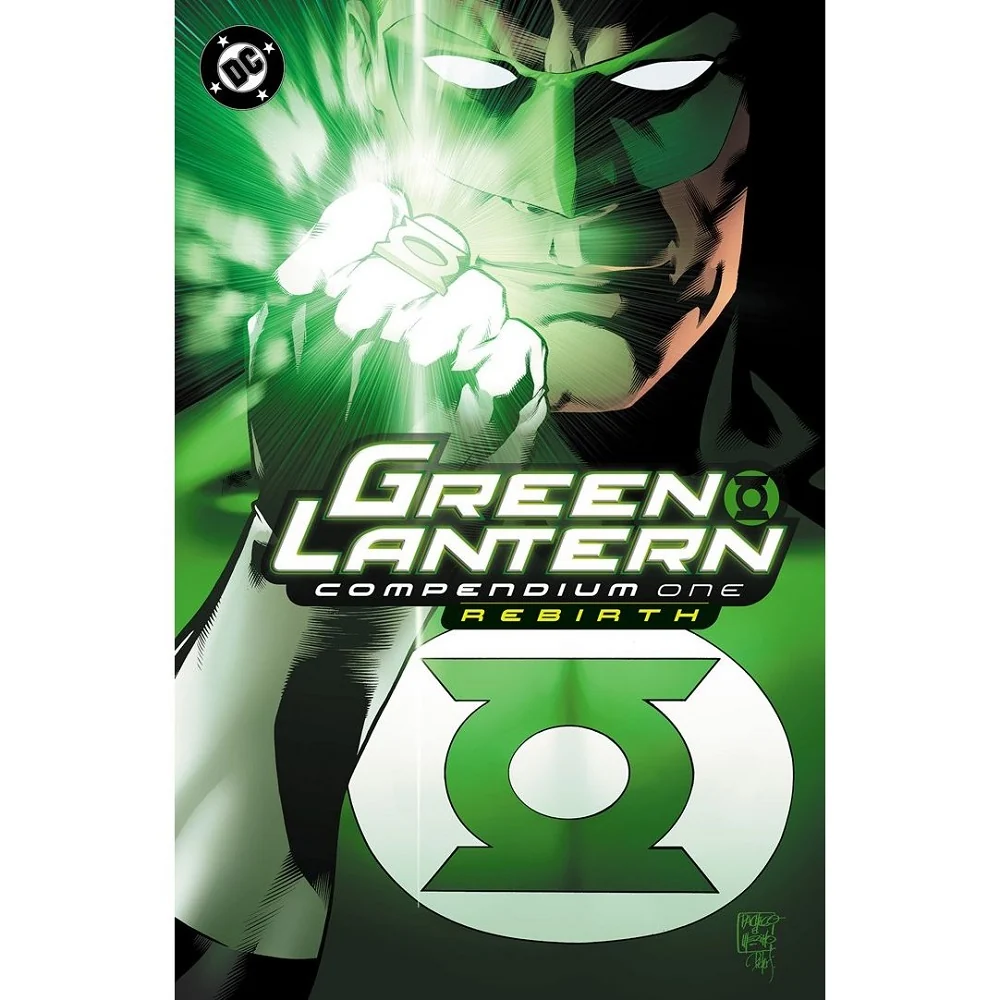
Green Lantern: Rebirth reworked that weakness into mythology.
Parallax, the entity associated with fear, had been imprisoned within the Green Central Power Battery. Its yellow influence created the impurity that compromised Green rings. Hal Jordan’s possession by Parallax also reframed one of the darkest periods of his history.
After Parallax was purged, yellow stopped functioning as an automatic universal off-switch. Fear could be confronted rather than treated as a bizarre color-coded law of physics.
Alan Scott Is a Different Kind of Green Lantern
Alan Scott is essential to Green Lantern history, but he is not simply “another member of the Corps.”
He debuted decades before Hal Jordan. His power is mystical and tied to the Starheart, not to Oa’s standard Green Lantern technology. His classic vulnerability is wood rather than yellow. DC’s current official history still maintains that distinction.
So when people say “Green Lanterns use willpower,” they are usually talking about the cosmic Green Lantern Corps mythology built around Hal Jordan and his successors — not every character who has ever used the Green Lantern name.
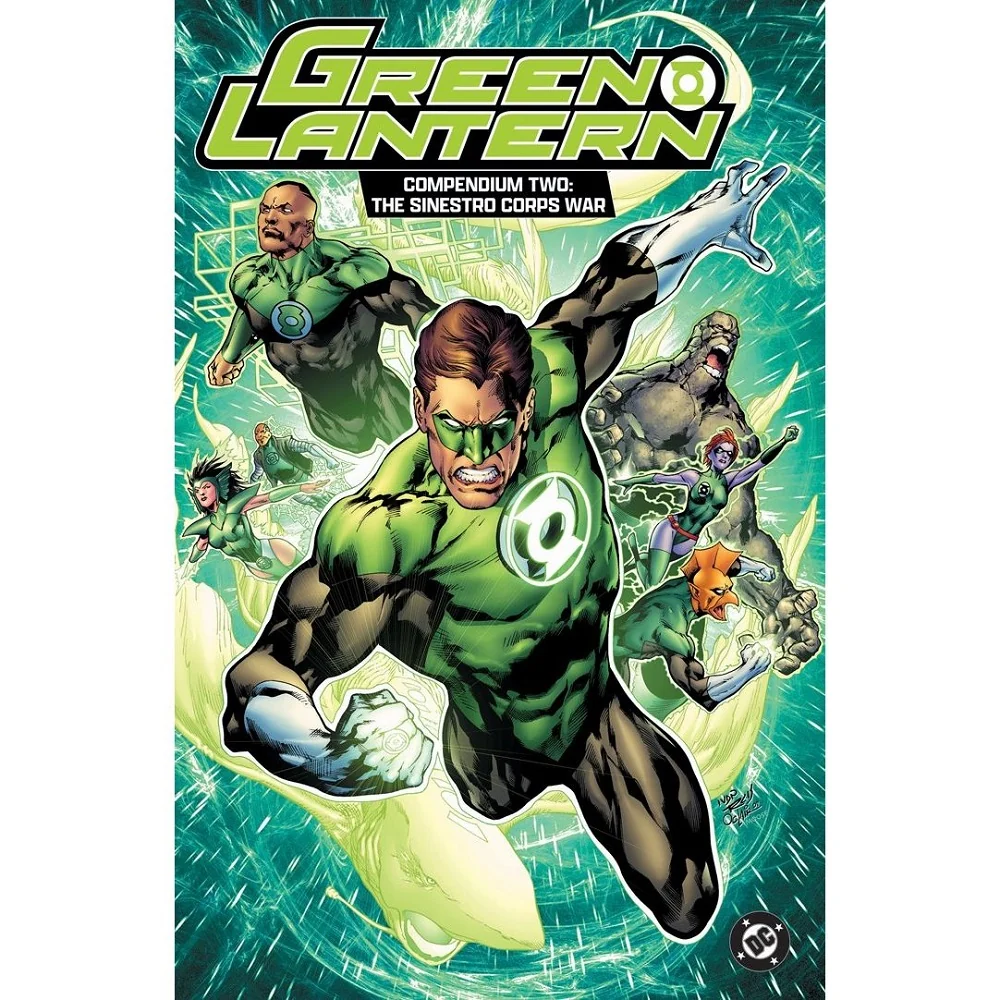
Green Lantern: The Sinestro Corps War Compendium. Credit: DC.
Yellow Lanterns and the Sinestro Corps: Fear
Yellow is fear, and Sinestro turned it into an army.
Thaal Sinestro began as one of the Green Lantern Corps’ greatest members and Hal Jordan’s mentor. His downfall came when his idea of “order” became authoritarian control. Exiled from the Corps, he became Green Lantern’s defining ideological enemy.
The Sinestro Corps recruits beings capable of instilling great fear. Its yellow light is connected to Parallax, the fear entity, and its rise turned Green Lantern’s old weakness into an organized opposing force.
There is a useful terminology distinction here:
Sinestro Corps means Sinestro’s organization.
Yellow Lantern is broader. Characters can wield yellow light without necessarily becoming long-term members of Sinestro’s army.
That is why Batman briefly interacting with a yellow ring does not suddenly rewrite him into a permanent Sinestro Corps member.
Red Lantern Corps: Rage
If Green asks a wielder to master fear, Red tends to do the opposite. It lets rage take the wheel.
Atrocitus survived the Manhunters’ massacre of Sector 666 and built the Red Lantern Corps around hatred of the Guardians. Ysmault became the center of his blood-soaked version of Lantern mythology.
Red rings are especially invasive. In their classic depiction, bonding with one expels the wearer’s blood and replaces vital functions with corrosive red energy. Many Red Lanterns lose speech and higher reasoning, becoming creatures of almost pure rage.
That makes removing a red ring dangerous. Blue light has been used to safely reverse the process, which is one reason the relationship between different colors matters so much.
Atrocitus can retain control. So can certain exceptional wielders, including Guy Gardner during periods when he carried red light. Dex-Starr — a house cat with a horrifying origin story — became one of the Corps’ most recognizable members because Green Lantern comics are perfectly willing to put operatic cosmic tragedy and an angry cat in the same mythology.
Orange Lantern: Avarice
Calling this the “Orange Lantern Corps” is technically understandable and practically misleading.
Larfleeze does not like sharing.
Orange represents avarice, and Larfleeze — Agent Orange — traditionally hoards its power for himself. DC has described him as essentially a one-man Corps. His orange constructs can take the forms of beings he has killed and absorbed into his collection, giving him an army without requiring him to tolerate actual teammates.
Other characters have temporarily touched or wielded orange light during major spectrum stories. That does not change the basic idea: Orange is deliberately built around possession.
Avarice wants everything.
Including the Corps.
Blue Lantern Corps: Hope
The Blue Lantern Corps was founded by Ganthet and Sayd after their break with the Guardians. Saint Walker became its signature member.
Blue represents hope, but its mechanics are deliberately intertwined with Green. DC’s official Blue Lantern overview explains that blue light can amplify Green Lantern power and neutralize Red Lantern energy. It has also been used to remove a Red ring without killing its wearer.
Blue Lantern recruitment works differently too. Rather than operating as a giant sector-by-sector police force, members have traditionally selected and tested successors more personally.
The most repeated oversimplification is that a Blue Lantern is “completely powerless” without a Green Lantern nearby. That goes too far. Blue rings still provide important functions, but their full combat potential and their most dramatic spectrum interactions are tied to Green willpower.
Hope works best when somebody has the will to act on it.
Indigo Tribe: Compassion
The Indigo Tribe is one of the darkest concepts hiding behind one of the nicest emotions.
And it did not debut during the New 52.
DC was already teasing the Indigo Tribe in 2009, and Blackest Night: Tales of the Corps #1 introduced Indigo-1 during the build to Blackest Night. Later stories, especially during the New 52 era, revealed much more about what the Tribe actually was.
Indigo represents compassion, but membership is not always voluntary. The Tribe’s mythology revealed a connection to Abin Sur and the use of indigo light as a form of forced rehabilitation or containment for dangerous people. Indigo-1, also known as Iroque, is central to that history.
That twist changes the meaning of the Corps. A Green Lantern is supposed to possess will. A Blue Lantern embodies hope. An Indigo ring can impose the emotional state it represents.
Indigo users are also unusual because they can channel aspects of other spectrum colors, making them some of the system’s most versatile wielders.
Star Sapphires: Violet Light and Love
The Star Sapphires existed before DC had a neatly organized Emotional Spectrum.
Carol Ferris began becoming the Zamaron-empowered Star Sapphire in Green Lantern #16 in 1962. Decades later, Geoff Johns-era stories folded the older Star Sapphire mythology into the modern spectrum, with the Zamarons organizing violet light into a Corps-like force.
Violet represents love.
That sounds gentle until Green Lantern stories start asking what happens when love becomes obsession, possession or grief. Like rage, violet light sits toward an extreme of the spectrum and can consume the person using it.
Carol Ferris is the best-known Star Sapphire, and her relationship with Hal Jordan means the Green/Violet dynamic has always been personal rather than merely cosmic.
The modern Star Sapphires are therefore both an Emotional Spectrum Corps and a retcon that successfully absorbed a much older Green Lantern concept into the newer system.
Black Lantern Corps: Death
Black is where the simple rainbow explanation stops working.
The Black Lantern Corps is tied to death, not another ordinary emotion. During Blackest Night, black rings raised the dead and weaponized the memories and relationships of deceased heroes and villains against the living.
Black Hand became the central herald of the Black Lanterns, while Nekron stood behind the larger death mythology.
During the event, Black Lanterns sought emotional energy from the living. Combining green light with another color became an important way to destroy them, while white light emerged as the decisive opposite force.
The Black Lantern Corps is therefore not just “the eighth emotional team.” It is an invasion of death into a mythology built around the emotions of living beings.
White Lanterns: Life
White represents life and the combined light of the spectrum.
Hal Jordan briefly wielded white light during the climax of Blackest Night. Kyle Rayner went much deeper. Through Green Lantern: New Guardians, Kyle learned to channel the spectrum’s colors and became the character most closely associated with the White Lantern identity.
One correction matters here: it is too absolute to say that there has never been a White Lantern Corps.
White has never operated as a long-running intergalactic institution comparable to the Green Lantern Corps, but Green Lantern: New Guardians #40 in 2015 ended with Kyle distributing additional White Lantern rings, briefly establishing a small group of White Lanterns.
That is very different from thousands of officers headquartered on Oa, but it still counts.
White light is also why “Which Lantern color is strongest?” has no clean answer. A White Lantern accessing the combined spectrum can have extraordinary versatility, but Lantern power is always tangled up with user, circumstance, emotional state and whatever cosmic rules are active in that particular story.
How Each Corps’ Rings Actually Recharge
Green isn’t the only Corps running on a battery system — it’s just the one most explained in detail above. The general pattern DC has established: most Lantern Corps connect their members’ personal Power Batteries to a Central Power Battery located on that Corps’ world of origin, and most rings run on a limited charge (traditionally 24 hours) before needing to be recharged. Green Lanterns recharge on Oa; Sinestro’s yellow rings link back to a Central Power Battery on Qward, the Sinestro Corps’ homeworld.
The clearest exception is the Indigo Tribe, whose members charge their rings using their staffs rather than a stationary battery — a genuinely different power-source model, not just a reskinned battery. It’s a small detail, but it’s consistent with everything else about Indigo being the spectrum’s odd one out: forced compassion, borrowed aspects of other colors, and now a power source that doesn’t match the rest of the system either.
The Emotional Entities
The seven emotional lights also have entities associated with them:
- Ion — willpower
- Parallax — fear
- The Butcher — rage
- Ophidian — avarice
- Adara — hope
- Proselyte — compassion
- The Predator — love
These are not just team mascots. They are living manifestations or avatars tied to the spectrum’s forces and have possessed hosts, altered ring users and driven major storylines.
Black and White have their own larger metaphysical figures, most notably Nekron’s relationship with death and the Life Entity associated with white light, but they should not be flattened into the same seven-emotion structure.
What About Ultraviolet, Gold Lantern and the Phantom Ring?
This is where most “every Lantern color” lists become messy.
There are legitimate additional colors and ring systems in DC comics. They simply are not all equivalent to the classic seven Corps.
Ultraviolet Corps
The Ultraviolet Corps is real. Scott Snyder’s Justice League introduced it as part of an invisible spectrum tied to buried negative emotion, with Sinestro exploiting that power and John Stewart becoming an Ultraviolet Lantern.
DC itself later included the Ultraviolet Corps when cataloguing Lantern oaths.
It is still better treated as an expansion of the mythology than as one of the original seven emotional lights.
Phantom Ring
The Phantom Ring is not a new Corps color.
Introduced in Green Lanterns, it can imitate different parts of the Emotional Spectrum. DC describes it as a dangerous ring capable of emulating the powers of spectrum rings regardless of whether the wearer would normally qualify.
That makes it a wildcard technology, not evidence for an eighth, ninth or tenth permanent Corps.
Gold Lantern
Gold Lantern is also real, but context is everything.
Kala Lour was introduced with the Legion of Super-Heroes in Legion of Super-Heroes #6 in 2020, a story set in the 31st century. Later issues and Justice League vs. the Legion of Super-Heroes explored the mystery of his power.
Gold is therefore part of published DC continuity, but it should not be dropped into a present-day chart beside Green and Red as though a giant Gold Lantern Corps currently patrols the universe.
Fractal Lanterns and the Sorrow
Current Green Lantern stories have complicated the neat rainbow even further.
Green Lantern: Fractured Spectrum #1 introduced Fractal Lanterns — people manifesting uncontrolled parts of a damaged Emotional Spectrum. Writer Jeremy Adams described this era as one where new emotional manifestations were appearing after the spectrum became unstable.
One of those figures is the Sorrow, Nathan, Carol Ferris’ former fiancé, whose grief becomes entangled with Starbreaker.
That does not currently make Sorrow a settled “ninth Lantern Corps.” He is an individual manifestation within a broader Fractured Spectrum storyline.
That distinction is exactly why counting Lantern Corps has become harder than naming the seven classic colors.
Can One Person Use More Than One Lantern Color?
Absolutely. It has happened repeatedly.
Characters have temporarily worn rings outside their normal Corps during crossover events, and the War of Light deliberately mixed heroes with different colors.
Kyle Rayner is the clearest long-term example because his journey through the spectrum culminated in becoming a White Lantern. Hal Jordan, Guy Gardner, Sinestro and others have also crossed color lines in various circumstances.
What you should not assume is that using a ring once permanently changes someone’s affiliation.
Batman briefly being chosen by a yellow ring does not make “Yellow Lantern Batman” a standing status quo. A temporary Red Lantern does not automatically become a lifelong member of Atrocitus’ Corps. Context matters.
Which Lantern Corps Is the Strongest?
There is no permanent, canon-wide ranking that survives every storyline.
Green is the most stable and has the deepest organization.
Yellow can exploit fear.
Red is brutally destructive.
Blue can supercharge Green and counter Red.
Indigo can access aspects of other colors.
Orange is terrifying partly because Larfleeze hoards an enormous amount of power.
Black Lanterns play by death rules that conventional combat does not always solve.
White light can unite the spectrum and has some of the broadest potential.
And then individual users ruin any neat ranking. Hal Jordan doing something impossible with willpower, Kyle Rayner channeling the full spectrum or Sinestro manipulating fear at an elite level matters more than a theoretical color tier list.
The better question is not “Which color always wins?”
It is which emotional force, wielder and circumstance has the advantage in this story?
The Best Comics for Understanding the Lantern Corps
You do not need sixty years of Green Lantern continuity before any of this makes sense.
A clean path is:
- Green Lantern: Rebirth — establishes the modern Hal Jordan status quo and the Parallax/yellow-weakness retcon.
- The Sinestro Corps War — turns the color mythology into a full conflict and sets up the War of Light.
- Rage of the Red Lanterns / Agent Orange — expands the spectrum into Red and Orange.
- Blackest Night — the point where the Corps mythology becomes a DC-wide event and Black/White enter the system.
- Green Lantern: New Guardians — especially useful for Kyle Rayner, the wider spectrum and White Lantern material.
- Green Lantern: Fractured Spectrum and the current Green Lantern Corps run — for the modern destabilized version of the mythology.
If you only want the foundation, the first four tell the essential story.
What the Fractured Spectrum Means in 2026
The current comics are intentionally making the old color chart less tidy.
DC describes the Fractal Lanterns as beings manifesting uncontrolled parts of the Emotional Spectrum. The 2025–2026 Green Lantern and Green Lantern Corps material has continued that instability, including the Sorrow, Starbreaker’s schemes and renewed focus on the Emotional Entities.
By Green Lantern Corps #16 in May 2026, DC was explicitly dealing with the aftermath of a fractured spectrum, a reborn Parallax and a search involving the Butcher, the rage entity.
So the classic seven-color model is still the foundation, but current continuity is not pretending those seven labels are the final word on every emotion that can manifest.
That makes the safest way to read the mythology:
seven core emotional colors, Black and White as death/life forces, and a growing set of exceptions that need their own context.
How HBO’s Lanterns Fits In
HBO’s Lanterns uses Hal Jordan, John Stewart, Guy Gardner and the Green Lantern concept, but the DCU series is its own screen continuity. Comics rules should not be treated as automatic spoilers for what the show will do.
Worth being specific about what’s actually confirmed on screen versus what’s comics-only, because it’s less than the full mythology above might suggest. Green is the only Lantern light the show has actually depicted through its first several episodes. Sinestro (Ulrich Thomsen) does appear — revealed as a former Green Lantern who attempted a coup, killed a Guardian, and was subsequently taken down by Hal Jordan and imprisoned — and Mundy has confirmed the show’s version of the mentorship chain running “Hal was trained by Sinestro, Hal is training John.” But as of the episodes released so far, it remains unconfirmed whether Sinestro actually holds a yellow ring in this continuity, or whether the wider Emotional Spectrum exists in the show’s world at all. Treat Sinestro’s presence as strong evidence more colors could eventually matter to the DCU, not as confirmation that yellow rings, Red Lanterns, Star Sapphires or any other Corps from this article are already part of the show’s canon. For how the Hal/John dynamic specifically compares to their comics history, see our Hal Jordan vs. John Stewart breakdown.
If you are watching the series and want the spoiler-light setup, Red Reactions has a separate Lanterns guide covering the cast, Green Lantern basics and DCU context. If you are wondering whether you need to watch older DC projects first, our Lanterns DCU watch guide breaks that down without making the comics required homework. For who the Guardians actually are and why Oa exists as the Corps’ headquarters, see our full Oa and Guardians of the Universe explainer.
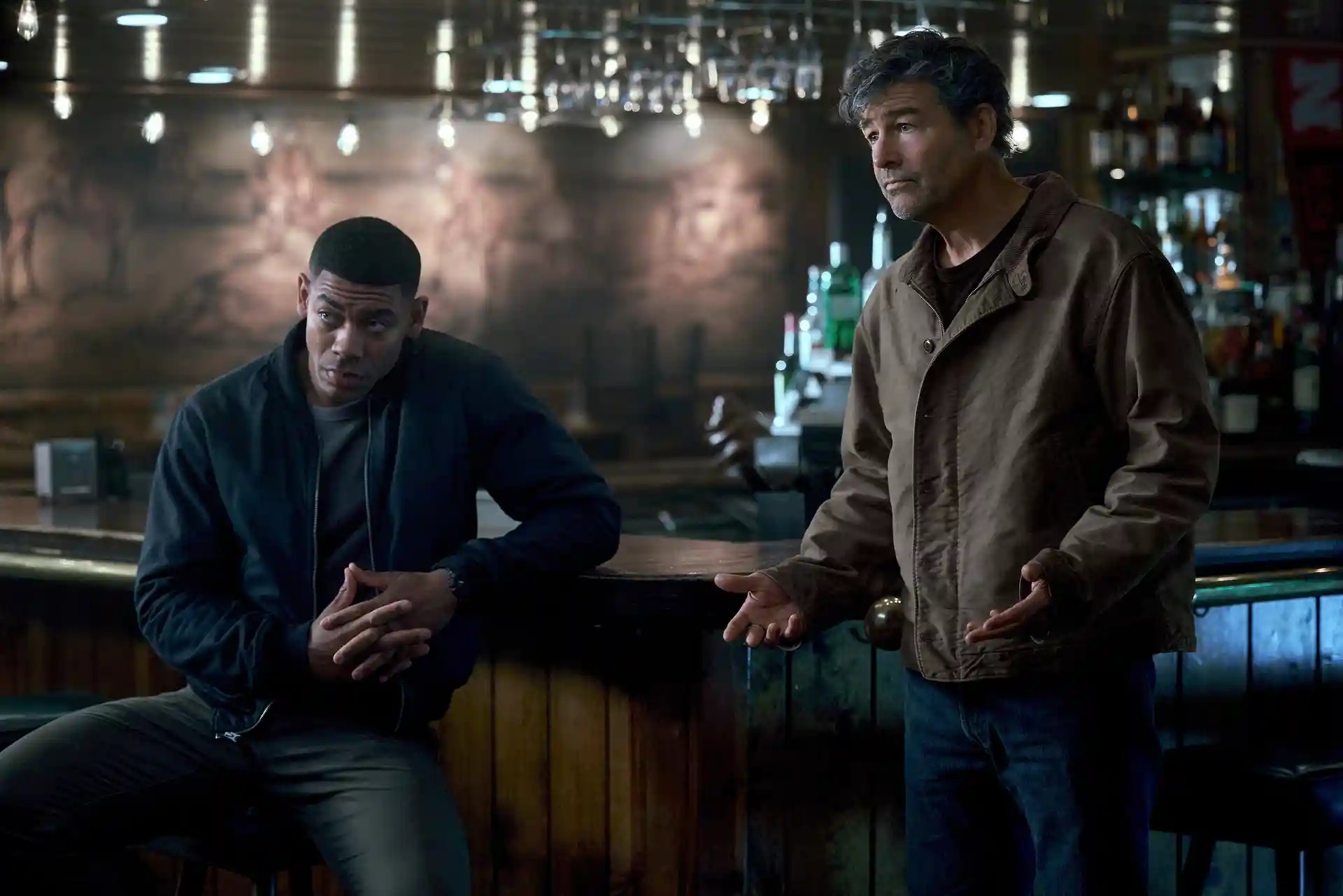
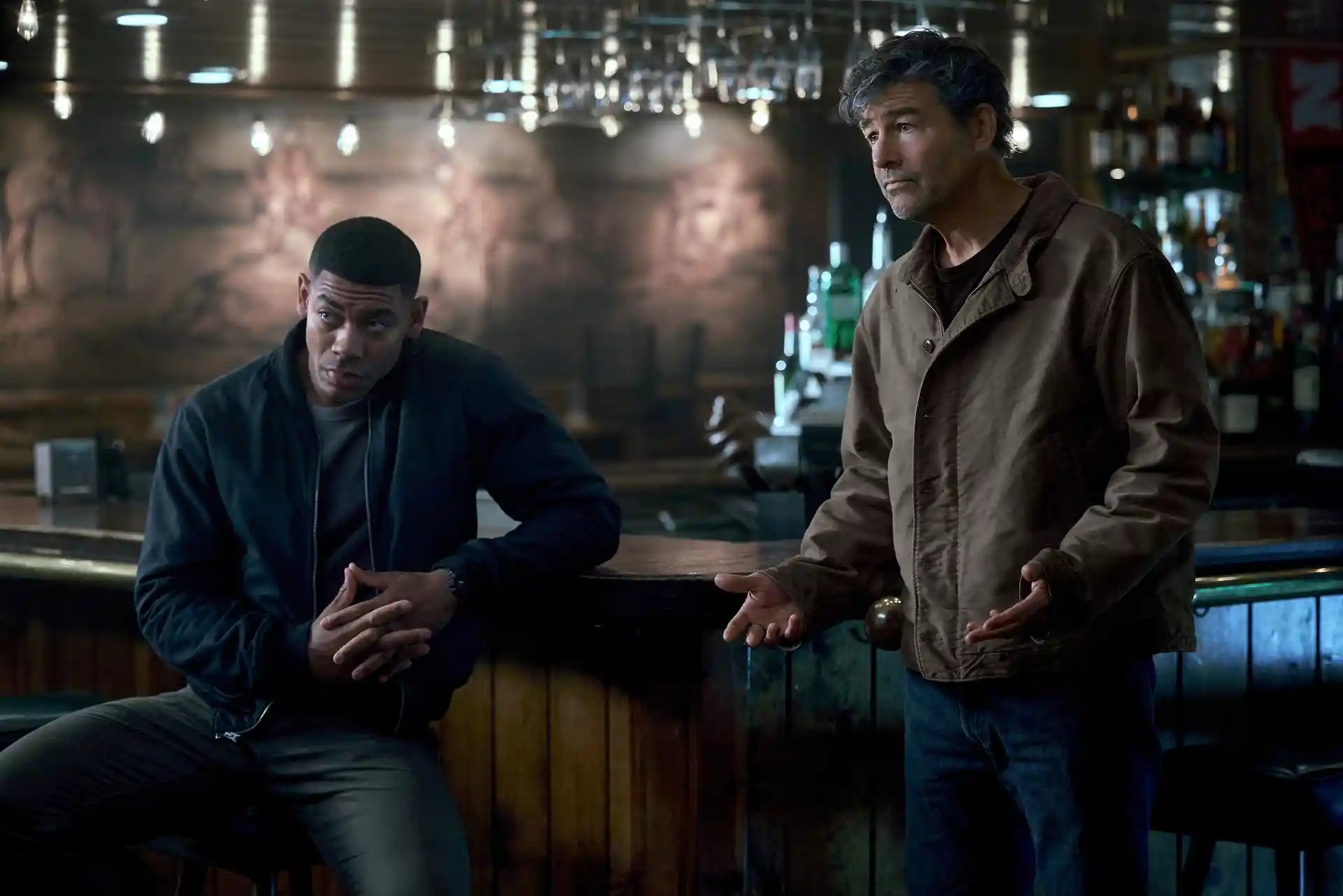
Aaron Pierre as John Stewart and Kyle Chandler as Hal Jordan in Lanterns. Credit: John Johnson / HBO Max.
The useful rule is simple: use the comics to understand what Green Lantern mythology can be, not as proof of what the television series has already made canon.
And when somebody tells you DC has exactly nine Lantern Corps, ask which nine they mean.
That question usually explains the whole problem.
Make Red Reactions a preferred source
Choose Red Reactions as a preferred source in Google Search.
Confirm your choice on Google.
Related coverage
John Stewart Explained: Green Lantern Origin, Powers and How Lanterns Changed His Story
John Stewart's real comic-book history — architect, Marine, Hal Jordan's alternate, the third human Green Lantern — and how HBO's Lanterns rewrites his origin around his parents.
Who Are the Manhunters in DC? Green Lantern's Robot Predecessors Explained
Before the Green Lantern Corps, the Guardians built the Manhunters. Here's who DC's robot police are, what happened in Sector 666, how they created Atrocitus' rage, and how HBO's Lanterns is using them.
Lanterns: Hal Jordan and John Stewart Explained — Their Powers, Differences and DCU Roles
Hal Jordan is the reckless veteran; John Stewart is the disciplined recruit. Here's how the two Green Lanterns differ in the comics, what HBO's Lanterns confirms about their dynamic, and how their construct styles actually work.
DC Next Level Explained: What It Is, Where to Start and How It Differs From the Absolute Universe
DC Next Level is a wave of new #1s set in DC's main continuity, not a separate reality like the Absolute Universe. Here's what's out, including the September 2 wave, and where to start.
About the author
Aram Anwar
Founder & Editor
Aram Anwar founded Red Reactions and writes across comics, gaming, movies and television. His work includes franchise guides and large Lore / Explained features, with an emphasis on separating confirmed details from reports, theory and speculation.
Coverage: Comics · DC & Marvel · Gaming · Movies & TV · Lore / Explained · Guides
More from Aram Anwar