news · gaming
Star Wars Zero Company Explained: Story, Gameplay, Characters and What Makes It Different
Star Wars Zero Company is out now to strong reviews. Here's what the Clone Wars tactics game actually is, how it plays, and why critics keep comparing it to XCOM.
 By Bamo Anwar5 min read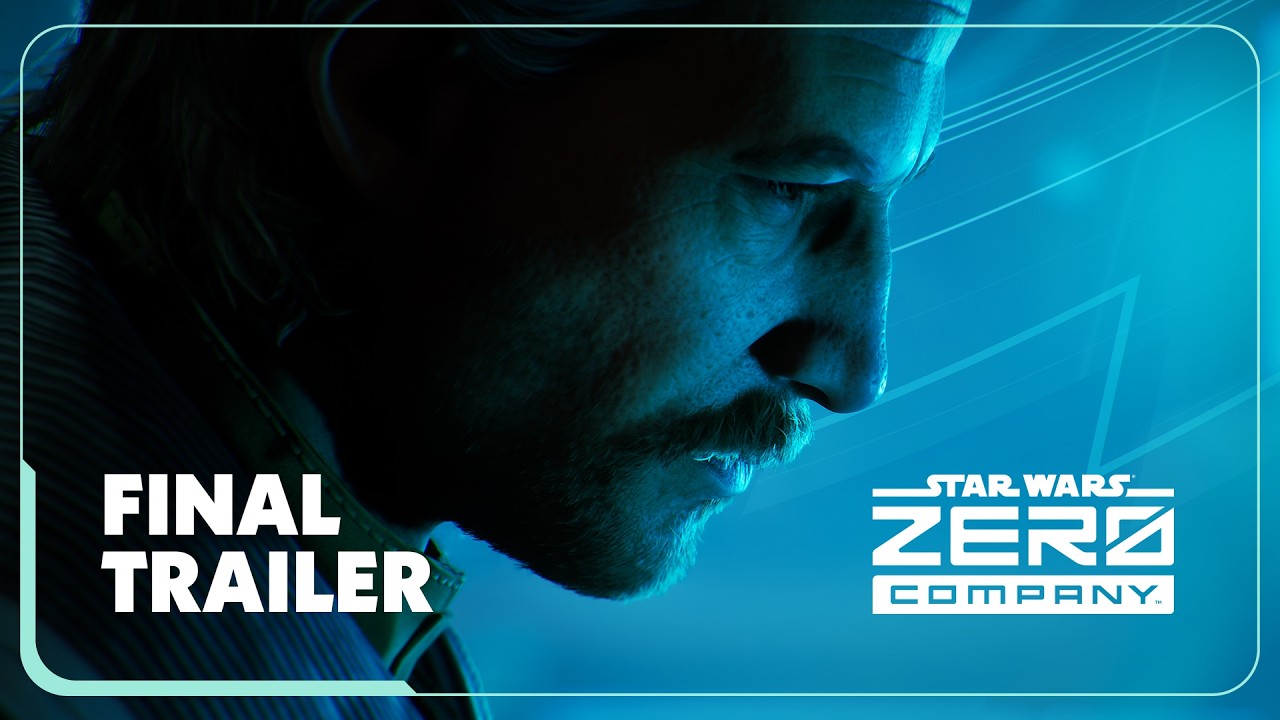
Star Wars Zero Company launched August 27 and has already landed some of the strongest reviews a Star Wars game has gotten in years. The pitch is easy to undersell — a turn-based tactics game set during the Clone Wars, built by a studio nobody outside strategy circles had heard of two years ago — but the reception says the execution is the real story here, not just the setting.
What is Star Wars Zero Company?
It’s a single-player turn-based tactical strategy game developed by Bit Reactor with Lucasfilm Games and published by Electronic Arts, out now on PC (Steam, Epic Games Store, EA app), PlayStation 5 and Xbox Series X|S. EA places the story “in the shadows of the Clone Wars,” running parallel to the conflict everyone already knows from the films and shows rather than retreading it directly.
Bit Reactor is a new studio, but its staff isn’t. The team includes people who previously worked on XCOM, Civilization, Gears of War and The Elder Scrolls Online, which explains why the tactical DNA feels assured rather than borrowed.
The story, without spoiling it
You play as Hawks, a disgraced former Republic officer who’s struck out on his own and formed Zero Company, an independent outfit that takes covert jobs Republic Intelligence doesn’t want traced back to it. The job that opens the game: hunt down Kundri Fathom, leader of the Infinite Coil, a Separatist-aligned cult trying to spread something called the Shadow Plague across the galaxy. EA and StarWars.com are both careful to frame this as an original angle on the war — “a lens we haven’t seen before” — rather than a rehash of Anakin and Obi-Wan’s arc, though Anakin does appear (voiced by Matt Lanter).
That’s as far as the plot needs to go here. This is meant to get you interested in playing it, not spoil what happens once you do.
Zero Company and its characters
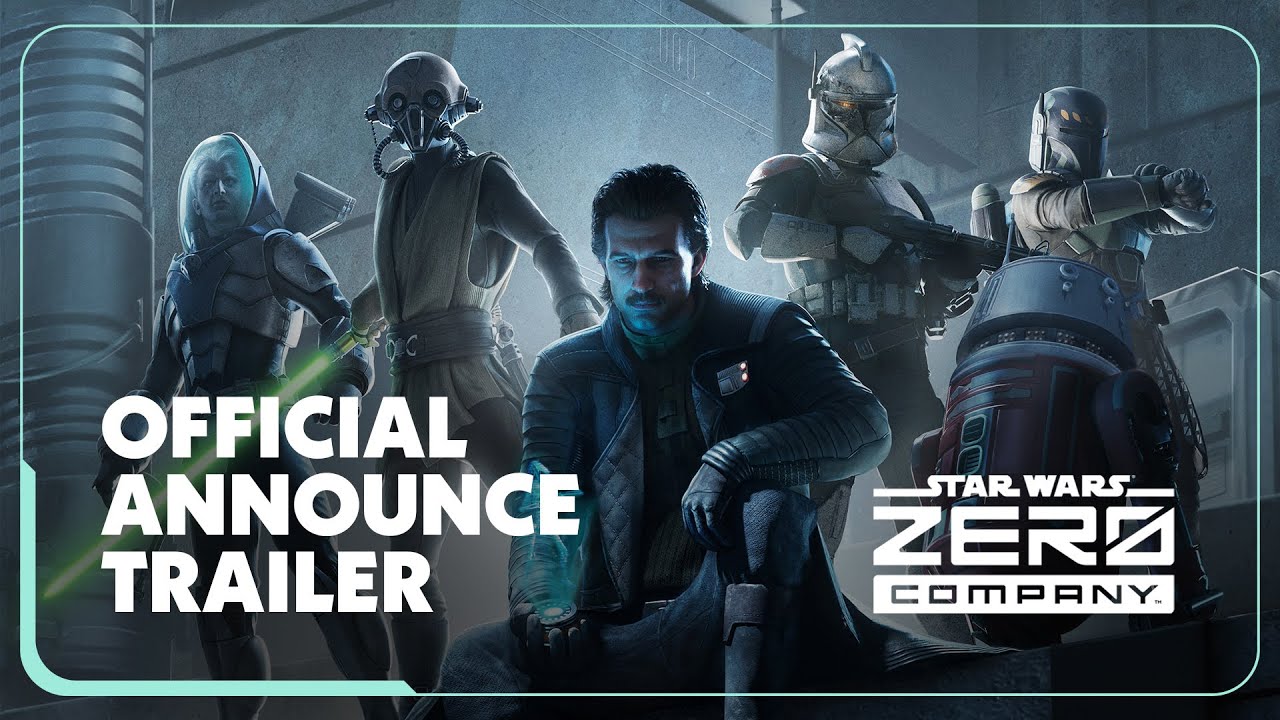
Hawks and members of Zero Company, including a clone trooper and a Mandalorian of Clan Verminoth. Credit: Electronic Arts / Lucasfilm Games.
The roster leans into archetypes the franchise hasn’t put through this kind of tactics game before: a clone trooper voiced by Dee Bradley Baker, a Mandalorian from Clan Verminoth, a Jedi Padawan, and other authored characters alongside custom Operators you build yourself. Kundri Fathom is voiced by Rekha Sharma, and Hawks has two voice options depending on which build you choose, performed by Jonathan Freeman and Erica Luttrell.
How the tactical combat actually works
The XCOM comparisons are constant, and they’re earned rather than lazy shorthand — Bit Reactor’s pedigree makes it closer to “same people, new setting” than “similar-looking clone.” Combat is turn-based, squad-based and built around positioning: cover, line of sight and ability cooldowns matter more than raw stats. Where it diverges is presentation — cinematic staging during missions and dialogue that reviewers say fits Star Wars without slowing the tactical layer down.

Combat leans on cover and positioning, familiar tactics-genre fundamentals filtered through a Clone Wars setting. Credit: Electronic Arts / Lucasfilm Games.
Between missions, you run operations from The Den, Zero Company’s base, where a holotable lets you pick jobs, manage your roster and decide what to pursue next — less a hub world than a planning screen with weight behind its decisions.
Bonds, Operators and permanent losses
Squad members aren’t interchangeable. EA describes a Bonds system where relationships between your “authored” characters — the named cast like the Clone Trooper or the Mandalorian of Clan Verminoth — and your own custom-built Operators unlock cross-training benefits, improving each other’s abilities and stats over time. Hawks and every recruit can be customized across eight species (Human, Twi’lek, Zabrak, Togruta and others), plus voice, outfit, specialization and talent.
The sharper edge is permadeath. It’s on by default but can be switched off at campaign start: any squad member other than Hawks who takes a third injury is gone for good, injuries carry stacking penalties until treated back at the Den, and that applies even to story-important Operators like your Jedi Padawan. A separate ironman toggle, Beskar Mode, locks you to a single save so a bad mission can’t be reloaded away. It’s a real consequence system, not a difficulty slider dressed up as one.
The galaxy map isn’t 150 tactical battlefields
EA’s marketing leans on a specific number: an “ever-changing galaxy map featuring more than 150 planets.” That’s the strategic layer — where you choose operations, manage Zero Company’s standing and watch consequences ripple outward — not 150 individually handcrafted mission maps. The actual tactical encounters draw from a smaller, authored set of locations. Worth knowing if you’re picturing Civilization-scale territory rather than a strategic layer wrapped around a tighter mission roster.
Why the reviews are landing so well
PC Gamer gave it 90/100, calling it “a new all-timer Star Wars game and a stunning debut for Bit Reactor,” putting its story in the same conversation as Rogue One and Knights of the Old Republic. GamesRadar+ was positive too, describing it as delivering exactly what it promises — “XCOM, but in a galaxy far, far away” — while noting it doesn’t dramatically reinvent the tactics genre and flagging some launch bugs. TechRadar praised the combination of tactical depth, atmosphere and storytelling. None of that is universal acclaim or genre-redefining status; it’s a game that’s landed close to its ambitions, with real if minor rough edges reviewers have been upfront about.
What actually makes it different
Zero Company isn’t reinventing tactics games. It’s applying a well-worn system, built by people who helped define it elsewhere, to a setting that’s rarely gotten this kind of treatment. The customizable protagonist, a Bonds system tying your roster together instead of treating soldiers as disposable numbers, and permadeath that actually costs you something combine with a genuinely original Clone Wars story to give it its own identity — a more useful read than either “it’s just XCOM” or “nothing like this exists.”
It’s also a reminder that Lucasfilm Games is willing to hand the Clone Wars era to studios outside the usual action-adventure mold, while franchise coverage elsewhere splits between Ahsoka’s return for a second season and the movie side’s next era with Star Wars: Starfighter.
Sources
- EA: Command the Clone Wars' Most Cunning Operatives in Star Wars Zero Company — August 27, 2026
- StarWars.com: SDCC 2026 Star Wars Zero Company Cast Announce
- PC Gamer: Star Wars Zero Company review — August 26, 2026
- GamesRadar+: Star Wars Zero Company review — August 26, 2026
- TechRadar: Star Wars Zero Company review — August 26, 2026
Make Red Reactions a preferred source
Choose Red Reactions as a preferred source in Google Search.
Confirm your choice on Google.
Related coverage
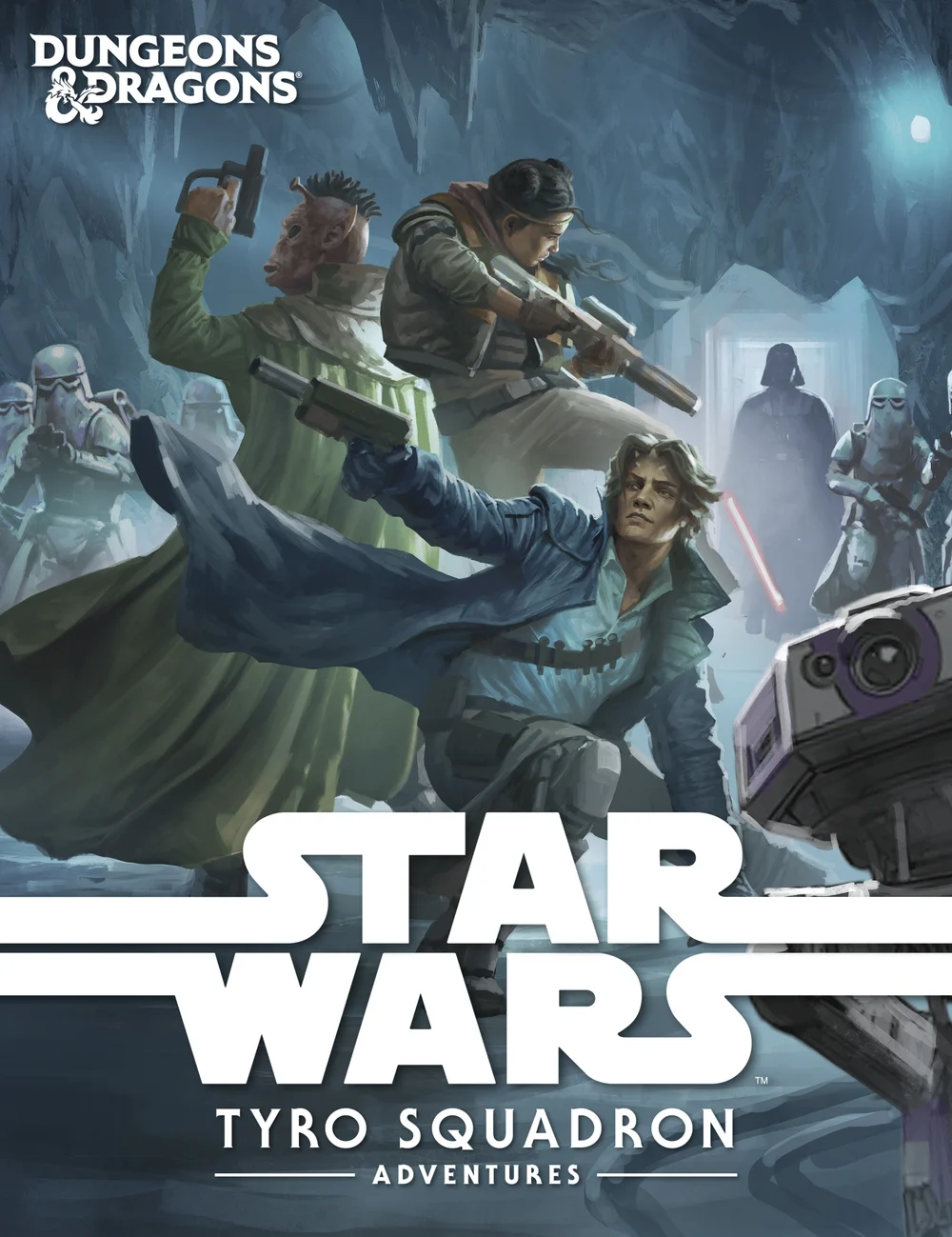
D&D’s Star Wars Books Arrive in 2027: Core Rules and Tyro Squadron Explained
Wizards of the Coast has detailed two Star Wars tabletop books for 2027. Here is how Core Rules differs from the Original Trilogy-era Tyro Squadron adventure.
Star Wars: Galactic Racer Launch Guide: Amazon Luna, Platforms, Cross-Play and Editions
Galactic Racer has launched, including Prime access through Amazon Luna. Check eligible regions, Luna's solo modes, console/PC cross-play and editions.
LEGO Ideas Opens Star Wars × Marvel Hope Assembles Challenge — How to Enter and What Can Become a Set
Enter LEGO Ideas' Star Wars × Marvel Hope Assembles challenge by November 12. Check the 400–3,000-piece limit, entry steps, voting dates and selection rules.

Ahsoka: Escape from Thrawn — Ezra's Comic, Release Date and Reading Order
Marvel's five-issue Escape from Thrawn follows Ezra's unseen Ahsoka journey. Check the January 20, 2027 launch, creators and recommended reading order.
About the author
Bamo Anwar
Anime & Gaming Writer
Bamo Anwar covers anime and gaming for Red Reactions. His work ranges from release news and detailed trailer breakdowns to beginner guides, watch orders and explainers designed to make large franchises and game systems easier to enter.
Coverage: Anime · Gaming · Beginner Guides · Watch Orders · Explainers
More from Bamo Anwar